


Security Company Insurance Requirements: A Complete Guide
Running a private security agency means taking on immense responsibility. Every day, your personnel are trusted to protect people, monitor valuable property, and safeguard business undertakings....

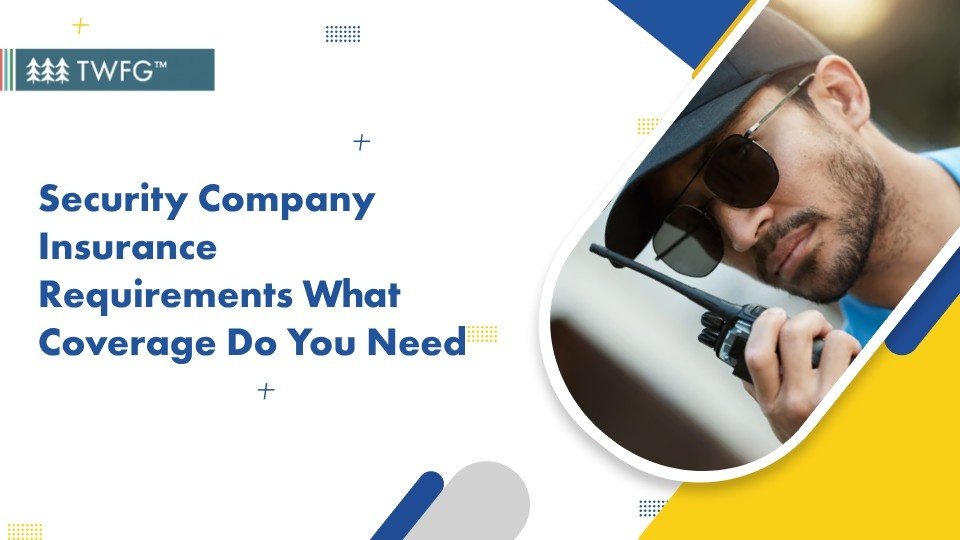
Running a private security agency means taking on immense responsibility. Every day, your personnel are trusted to protect people, monitor valuable property, and safeguard business undertakings. Because security guards are often required to make split-second decisions in urgent situations, the margin for error is incredibly slim. A simple misunderstanding with a visitor, an accident during a routine patrol, or unintentional damage to a client’s property can easily escalate into a major legal dispute.
Table Of Content
- The Foundation: General Liability Insurance
- Defending Your Services: Professional Liability Insurance
- Protecting Your Team: Workers’ Compensation Insurance
- Covering Your Fleet: Commercial Auto Insurance
- Specialized Protection: Assault and Battery Liability
- Securing Your Assets: Commercial Property Insurance
- Modern Threats: Cyber Liability Insurance
- The Ultimate Safety Net: Umbrella Liability Insurance
- Partner with the Industry Experts
Due to the inherent hazards of the industry, operating without proper protection is not an option. Navigating security company insurance requirements is a critical step for any agency owner looking to protect their employees, their clients, and the financial future of their business. In fact, most clients will demand proof of coverage before signing a contract, and regulatory authorities in many jurisdictions require specific insurance policies before issuing an operating license.
To help you make informed decisions, this guide breaks down the essential insurance coverage every security company needs to succeed.
The Foundation: General Liability Insurance
When discussing security company insurance requirements, general liability insurance is universally considered the starting point. This policy is the cornerstone of protecting your firm from common legal risks.
Security guards constantly interact with clients, premise visitors, and the general public. These daily interactions present numerous opportunities for accidents or misinterpretations. General liability protects your business when a third party claims that your security operations caused them bodily injury or damaged their property.
A standard general liability policy typically covers:
- Third-party bodily injury claims: If someone trips over a guard’s equipment and gets hurt.
- Property damage claims: If a guard accidentally damages a client’s expensive facility fixture.
- Personal injury claims: Including allegations of defamation or false arrest.
- Legal defense expenses: Covering lawyer fees and court costs.
Note: Security companies generally need to maintain at least $1 million in liability coverage to satisfy the contractual requirements of commercial clients.
Defending Your Services: Professional Liability Insurance
Also known as errors and omissions (E&O) insurance, professional liability coverage is designed to protect your firm against claims of negligence or failure to provide sufficient service.
Clients hire you to guard their property and prevent theft. If an incident occurs, they may hold your company legally responsible for failing to perform its duties. Professional liability helps pay for legal defense costs and potential settlements arising from service-related disputes, such as:
- Failure to respond promptly to a security breach, alarm, or emergency.
- Poor surveillance monitoring.
- Inadequate security planning for a live event.
Protecting Your Team: Workers’ Compensation Insurance
Security work is physically demanding and often dangerous. Guards cover large areas, remain stationed for long periods, and frequently deal with individuals exhibiting violent behavior. Because the risk of employee injury is high, workers’ compensation insurance is a vital component of your security company insurance requirements.
This coverage protects both the employer and the employee when workplace injuries occur. Typical coverage includes:
- Medical treatment and rehabilitation expenses for injured guards.
- Lost wages during the employee’s recovery period.
- Disability benefits when necessary.
Furthermore, workers’ compensation is legally required for businesses with employees in many jurisdictions. Failing to carry it can result in severe fines and legal penalties.
Covering Your Fleet: Commercial Auto Insurance
If your security firm provides mobile patrols, responds to alarms, or transports personnel between job sites, you rely heavily on your vehicles. It is crucial to understand that standard personal auto insurance policies do not cover vehicles used for business activities.
Commercial auto insurance is required to protect your fleet and your financial stability. This coverage generally includes:
- Liability protection for accidents involving your company vehicles.
- Collision coverage to pay for vehicle damage.
- Protection against vehicle theft or vandalism.
- Medical payments coverage for vehicle occupants.
Specialized Protection: Assault and Battery Liability
Security personnel are sometimes required to use physical force to stop a theft in progress or remove unauthorized individuals from a property. Unfortunately, these necessary actions can lead to accusations of excessive force, which may result in assault charges.
Because physical intervention is an occupational reality, specialized assault and battery liability coverage is an important addition to a comprehensive plan. It protects your company if a guard is accused of wrongful detention, using excessive force, or injuring someone during a confrontation.
Securing Your Assets: Commercial Property Insurance
Your security firm relies on valuable assets to operate efficiently, including radio communications, surveillance equipment, office hardware, and specialized uniforms. Replacing these items out-of-pocket after a disaster can be financially devastating.
Commercial property insurance protects your business assets from unforeseen circumstances like fire, theft, or severe weather. For firms operating administrative offices or centralized monitoring centers, this policy ensures that business operations can continue smoothly even after property damage occurs.
Modern Threats: Cyber Liability Insurance
As the security industry becomes increasingly technology-driven, cyber risks are growing rapidly. Modern firms rely heavily on digital monitoring systems, cloud-based reporting platforms, and access control software.
Cyber liability insurance is becoming a critical requirement to protect against digital threats. It helps cover expenses related to data breaches involving sensitive client information, hacking incidents, and cyber extortion attacks.
The Ultimate Safety Net: Umbrella Liability Insurance
Because security companies operate in high-risk environments, a single severe incident can result in massive legal claims that exceed the limits of your standard policies.
Umbrella liability insurance provides an essential secondary layer of financial protection. It extends the maximum payment limits of your primary liability policies, covering large injury claims, major property damage, and high-value lawsuits. Commercial clients heavily prefer working with security firms that carry umbrella insurance, as it demonstrates a strong capacity to handle significant financial risks.
Partner with the Industry Experts
Navigating the complexities of security company insurance requirements shouldn’t be a guessing game. The right coverage enables you to protect your employees and clients while safeguarding your company’s long-term future.
To ensure you have the precise protection your firm needs, partner with TWFG Khan Insurance Services. Unlike generic insurance providers, TWFG Khan Insurance Services specializes in high-risk industries. Our expert team collaborates directly with security firms to assess their unique operational risks, from armed guards to mobile patrols and develops highly customized commercial insurance solutions. We provide rapid assistance to help your business meet its legal obligations, satisfy client contracts, and operate with total confidence.
Don’t leave your security business exposed. Contact an advisor today to secure the comprehensive coverage your agency deserves.





No Comment! Be the first one.