


Solving Speckle and Distortion in Holographic Sights
While reflex sights rely on simple LED reflection, a Holographic Weapon Sight (HWS) utilizes a complex reconstruction of a light field through a diffraction grating. For B2B suppliers and technical...

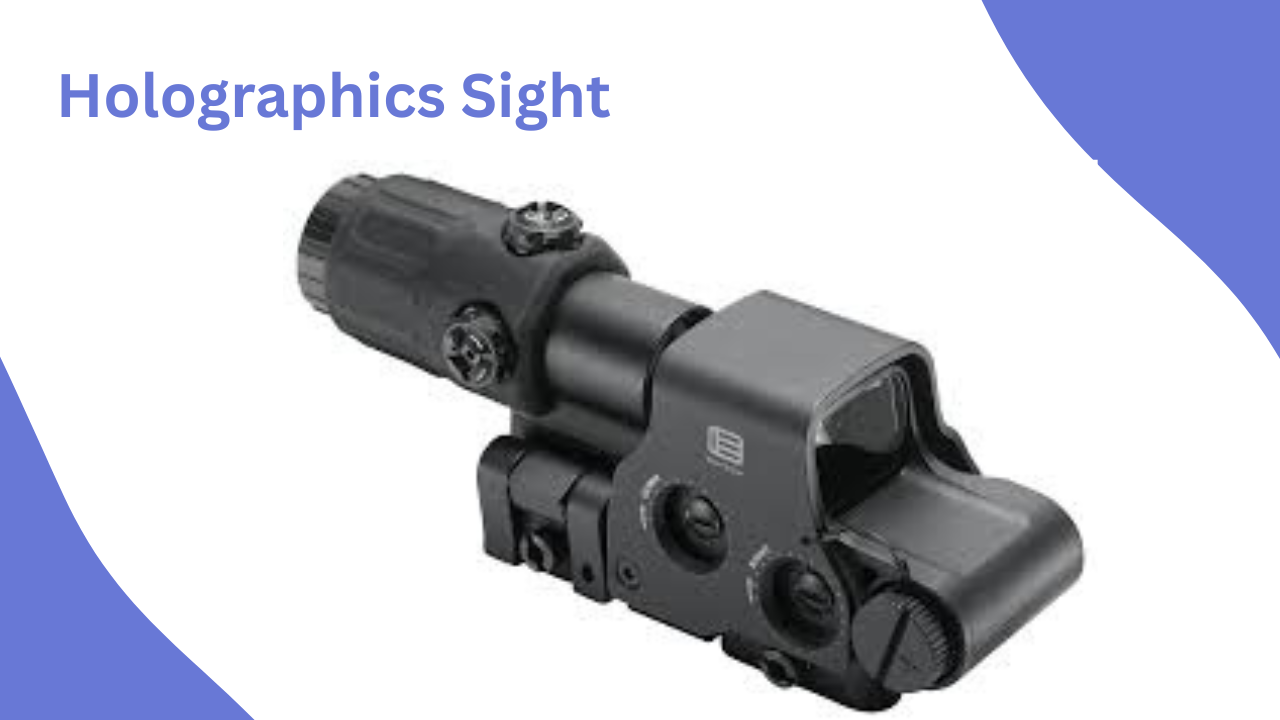
While reflex sights rely on simple LED reflection, a Holographic Weapon Sight (HWS) utilizes a complex reconstruction of a light field through a diffraction grating. For B2B suppliers and technical manufacturers, the primary challenges are not in the “how it works” phase, but in the optical fidelity and thermal stability failures that occur under high-stress industrial or tactical use.
Table Of Content
1. Eliminating “Speckle” and Graininess in the Reticle
One of the most persistent complaints in lower-tier holographic assemblies is the “grainy” or pixelated appearance of the reticle, known as laser speckle.
- The Problem: Excessive temporal and spatial coherence of the laser diode, combined with micro-imperfections in the diffraction grating.
- The Technical Solution: Implementing diffuse laser illumination or high-frequency vibration/modulation of the optical path (in advanced systems) to average out the interference patterns. Selecting diodes with a specific spectral width can reduce perceived graininess while maintaining the high contrast required for rapid target acquisition.
2. Thermal Drift and Grating Expansion
Because a holographic sight relies on the precise angle of diffraction, even a microscopic shift in the grating’s physical properties can lead to a shift in the Point of Impact (POI).
- The Problem: Traditional polymer-based gratings expand or contract with temperature changes, altering the diffraction angle of the laser beam and “shifting” the reticle.
- The Technical Solution: The transition to Photo-Thermo-Refractive (PTR) glass or stabilized glass-based gratings. These materials offer a near-zero coefficient of thermal expansion, ensuring that the reconstructed hologram remains indexed to the bore of the platform regardless of environmental extremes ($-40$°C to $+60$°C).
3. Parallax and Wavefront Reconstruction Errors
While holographic sights are inherently less prone to parallax than traditional red dots, they are not immune to “wavefront distortion.”
- The Problem: If the laser light hitting the hologram is not perfectly collimated, the reticle will appear to “float” or distort at the edges of the viewing window.
- The Technical Solution: Precision alignment of the collimating reflector. By utilizing a high-grade parabolic mirror with a dielectric coating, manufacturers can ensure that the light waves striking the holographic film are perfectly parallel. This results in a reticle that remains locked on target even when viewed from extreme off-axis angles.
Manufacturing Standards for B2B Distribution
For those integrating these optics into broader systems or distributing to professional end-users, the focus must remain on the optical bench’s structural integrity.
- Environmental Sealing: Moving beyond IPX7 to full immersion testing with nitrogen purging to prevent internal fogging of the laser cavity.
- Circuit Redundancy: Implementing constant-current drivers for the laser diode to prevent “flicker” or dimming during high-vibration events (e.g., recoil or industrial machinery operation).




No Comment! Be the first one.