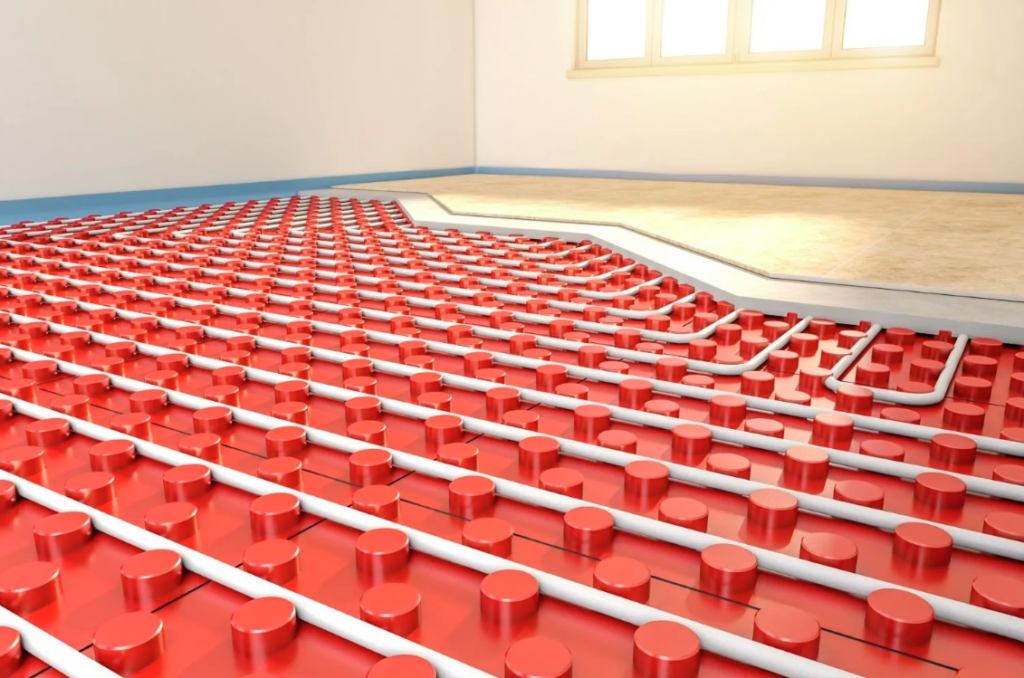
If you’re considering a more comfortable and energy-efficient heating system for your home, you may have come across hydronic heated floors. These systems use warm water to heat your floors, providing even, cozy warmth throughout your home. This method of heating has become increasingly popular in Ontario due to its benefits, but like any major home upgrade, it comes with both advantages and challenges.
In this blog, we’ll look at the pros and cons of hydronic heated floors and what you need to know about hydronic floor heating installation Ontario. Understanding the ins and outs of these systems will help you make an informed decision on whether this heating option is right for you.
Pros of Hydronic Heated Floors
1. Energy Efficiency and Lower Bills
One of the biggest advantages of hydronic heated floors is their energy efficiency. Since the system heats up the floor and not just the air, you can enjoy consistent warmth without using as much energy. Hydronic systems often use boilers or water heaters to maintain the temperature, and these systems can be more efficient than traditional forced-air heating. As a result, many homeowners see a reduction in energy costs over time.
2. Comfortable, Even Heat
Another key benefit is the comfort. Traditional heating systems can create hot and cold spots in your home, leaving some areas warmer than others. Hydronic heated floors, on the other hand, heat the room evenly from the ground up. This type of heat feels more natural, like the warmth you feel when walking barefoot on a sunny day.
3. Quiet Operation
Hydronic systems operate quietly, unlike forced-air systems that can be noisy as they push air through vents. With hydronic heated floors, you won’t hear the sound of a fan running or any other disruptions. This makes it perfect for bedrooms, living rooms, and other spaces where quiet is important.
4. Low Maintenance
Once installed, hydronic heated floors require very little maintenance. The system has few moving parts, and the pipes are generally long-lasting and durable. As long as the installation is done properly, you won’t need to worry about frequent repairs.
5. Increased Home Value
Installing hydronic heated floors can increase the value of your home. Many homebuyers appreciate the comfort and energy efficiency that these systems provide, so having them in your home could make it more appealing on the market.
Cons of Hydronic Heated Floors
1. High Initial Installation Cost
The biggest downside to hydronic heated floors is the initial installation cost. Installing this type of heating system can be expensive, particularly if you are doing a full-home installation. The cost of the pipes, boilers, and labor can add up quickly. While the system saves money on energy bills in the long run, it requires a significant upfront investment.
2. Complex Installation Process
Hydronic floor heating installation can be complex, requiring a professional contractor who is skilled in radiant heating systems. The pipes must be carefully installed beneath the flooring, and this process can take time and requires a lot of planning. If you are renovating your home, this could involve removing old floors, which adds to the overall cost and time needed for installation.
3. Potential for Leaks or Damage
Although hydronic systems are generally reliable, they can be susceptible to leaks or damage over time. If a pipe were to break or develop a leak, it could cause significant damage to your floors and the surrounding structure. This is why professional installation and regular maintenance are essential to ensure the system runs smoothly.
4. Longer Heating Time
Compared to traditional heating methods, hydronic heated floors can take longer to warm up. The system may not be ideal if you’re looking for a quick heating solution. While it’s very efficient once it reaches temperature, it takes a bit more time to get there, especially in larger spaces.
5. Limited Flexibility
Once the system is installed, you can’t easily change the floor covering. If you decide to switch to a different type of flooring, you may need to alter the system, which could add extra costs and hassle. It’s important to choose the right flooring material when installing hydronic heat to ensure it works efficiently.
Installation Considerations for Hydronic Heated Floors
If you’re interested in hydronic floor heating installation Ontario, there are several factors to consider before moving forward.
- Type of Floor: The type of flooring you choose will affect the efficiency of the system. Tile, stone, and concrete are ideal materials for radiant floor heating, as they conduct heat well. Carpet and thick wood may reduce the efficiency of the system, so they should be avoided or used with caution.
- Professional Installation: It’s crucial to hire a professional installer who has experience with hydronic systems. A skilled installer will ensure that the system is properly designed, the pipes are correctly placed, and the boiler is set up for maximum efficiency.
- Space Layout: Hydronic heating is best suited for open spaces where the heat can spread evenly. Installing this system in rooms with a lot of walls or partitions can complicate the installation and reduce its effectiveness.
In Closing: Is Hydronic Floor Heating Right for You?
Hydronic heated floors can be a great investment for those looking for comfort, energy savings, and an elegant heating solution. However, the high initial cost, complexity of installation, and potential risks need to be carefully considered. If you are planning to install this system, it’s essential to hire an experienced contractor to ensure the best results.In the end, hydronic heated floors offer long-term benefits, especially if you’re willing to invest in the installation process. If you’re thinking about hydronic heated floors installation Ontario, make sure to discuss your needs and goals with a professional to determine if this heating solution is the right fit for your home.

Leave a Comment