



The Science Behind Luminous Ceiling Panels and Ambient Lighting
Luminous ceiling panels use simple lighting principles to improve the look and feel of indoor spaces.

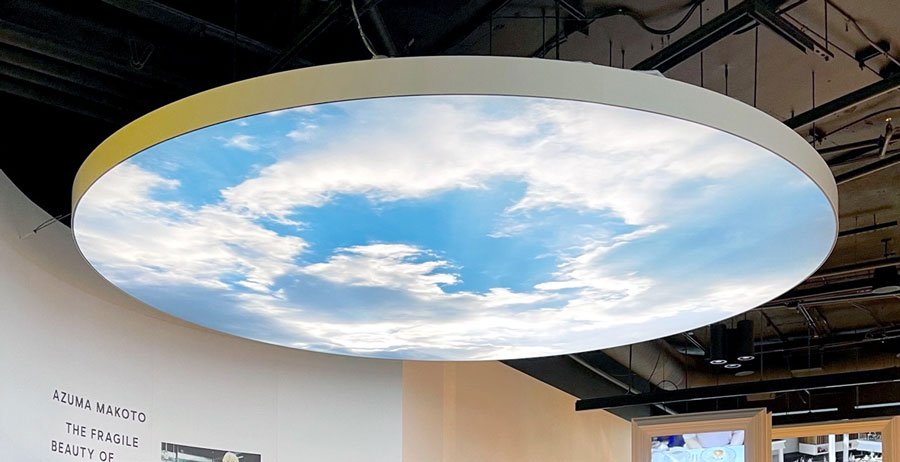
Ambient lighting provides a base level of light that helps people see clearly and move around safely. It also shapes how a space feels without drawing attention to the light source itself. Luminous ceiling panels offer a practical way to achieve this effect by evenly distributing light throughout a room. Many modern spaces use them because they reduce harsh shadows and create a calm setting.
Table Of Content
How Luminous Ceiling Panels Work?
Luminous ceiling panels rely on a simple system that turns direct light into a soft and even glow. They combine LED lights, a light guide panel, and a diffuser. The LEDs emit light that then enters the light guide panel. This panel spreads the light across its surface instead of letting it stay in one spot. The diffuser then softens the light before it reaches the room. This process removes bright spots and ensures that light reaches all areas evenly. As a result, the space feels balanced and well-lit without glare.
Light Diffusion and Visual Comfort
Light diffusion improves people’s experience of indoor lighting. When light passes through a diffuser, it spreads in different directions rather than hitting a single area directly. This reduces glare and prevents sharp contrasts between light and dark zones. Even lighting allows the eyes to adjust more easily, which lowers strain during long periods of use. This makes a noticeable difference in places where people read, work, or spend extended time.
Color Temperature and Light Quality
Color temperature affects how a room looks and how people feel in it. Different tones serve different purposes:
- Warm light: Creates a soft and relaxing feel, making it suitable for living spaces
- Cool light: Produces a good and clear effect, which works well in work areas
- Balanced tone: Maintains a steady look and avoids uneven lighting across the space
Using the right light tone helps match the environment to its purpose and keeps the space comfortable.
Energy Efficiency and Heat Control
Modern ceiling panels focus on efficient performance and better heat management. Their design offers several advantages:
- Low energy use: LED technology consumes less power than traditional lighting
- Reduced heat output: Less heat keeps the room cooler and improves safety
- Long lifespan: LEDs last longer, which reduces the need for frequent replacements
- Lower maintenance: Fewer replacements and repairs help save time and cost
These factors make ceiling panels a reliable choice for long-term use.
Practical Use in Indoor Environments
These panels work well in a wide range of indoor settings. Their design allows them to adapt to different needs:
- Homes: Provide soft and even lighting for daily activities
- Offices: Support clear visibility and reduce eye strain during work
- Hospitals: Improve comfort with steady and gentle lighting
- Retail spaces: Help display products clearly without harsh shadows
- Flexible installation: Fit into various ceiling types and layouts
This flexibility makes them suitable for both new spaces and upgrades.
Conclusion
Luminous ceiling panels use simple lighting principles to improve the look and feel of indoor spaces. They spread light evenly, reduce glare, and support comfort through proper brightness and tone. Their energy efficiency and ease of use make them a practical option for many environments.





No Comment! Be the first one.