



The Top Specializations for PGDM Programs That You Must Know
Management education has never evolved as rapidly as it is today. A few years ago, students used to choose traditional PGDM specializations such as marketing, finance, or human resources without...

Management education has never evolved as rapidly as it is today. A few years ago, students used to choose traditional PGDM specializations such as marketing, finance, or human resources without giving it much thought. However, businesses are now transforming due to artificial intelligence, automation, and sustainability-driven strategies. As a result, the demand for management professionals with specialized expertise has increased dramatically. Recent industry reports from Indian B-schools highlight growing recruiter interest in areas such as business analytics, AI-integrated management, FinTech, and supply chain management.
Table Of Content
- The Growing Importance of PGDM Specializations
- Artificial Intelligence and Business Analytics
- The Rise of Data-Driven Management
- Career Roles and Salary Potential
- FinTech and Digital Banking Management
- Digital Marketing and E-Commerce Management
- Supply Chain and Logistics Management
- Healthcare and Hospital Management
- ESG and Sustainability Management
- Product Management and Innovation
- Human Resource Analytics and Talent Management
- International Business and Global Trade
- How to Choose the Right PGDM Specialization
- Conclusion
- FAQs
- 1. Which PGDM specialization offers the highest salary potential?
- 2. Is a PGDM better than an MBA for specialized learning?
- 3. Are emerging PGDM specializations future-proof?
- 4. Which specialization is best for students interested in startups?
- 5. Can non-technical students pursue analytics-based PGDM specializations?
Today, earning a degree alone is no longer enough. Companies are looking for managers who can combine business strategy with technology, data analytics, and industry-specific knowledge. Modern PGDM programs are becoming more skill-focused and industry-oriented. Educational institutions across India are updating their curricula to meet these evolving demands. For instance, IIM Indore recently announced AI and machine learning electives for upcoming sessions, reflecting how management education is adapting to future job market trends.
If you are planning to pursue a PGDM in the coming years, choosing the right specialization is extremely important. It can significantly influence your career growth, salary potential, and long-term relevance in the industry. Some specializations have already become highly rewarding due to the shortage of skilled professionals in these areas. So, which PGDM specializations are truly future-ready? Which ones offer the best salary packages and placement opportunities? This guide explores the top emerging PGDM specializations that every student should know about.
The Growing Importance of PGDM Specializations
The management industry no longer values “jack-of-all-trades” professionals the way it once did. Modern businesses operate in highly specialized environments where managers are expected to solve specific problems using advanced tools and domain expertise. Imagine entering a cricket match carrying only a tennis racket. That is exactly how outdated generic skills feel in today’s competitive corporate world. Recruiters now prefer candidates who understand data dashboards, AI-powered decision-making, digital consumer behavior, and automated business systems, along with traditional management concepts.
One of the biggest reasons behind this shift is digital transformation. Industries such as banking, healthcare, retail, and consulting rely heavily on analytics and technology-driven strategies. Reports on PGDM placement trends for 2026 suggest that technology-focused and analytics-related roles are among the fastest-growing recruitment categories. Many companies are willing to offer significantly higher salaries to candidates who can bridge the gap between business and technology.
Another major advantage of PGDM programs compared to traditional MBA courses is flexibility. Autonomous institutions can update their curricula much faster according to industry demands. This is why many modern PGDM colleges are introducing specializations in AI, digital business, sustainability, and global trade. Their industry-oriented approach gives students a strong competitive advantage from the beginning of their careers.
Specialization also improves employability. Instead of competing with thousands of general management graduates, specialized candidates can position themselves in high-growth sectors with skill shortages. It is similar to becoming a specialist doctor rather than a general practitioner. Opportunities become more focused, salaries increase faster, and long-term career stability improves significantly.
Artificial Intelligence and Business Analytics
The Rise of Data-Driven Management
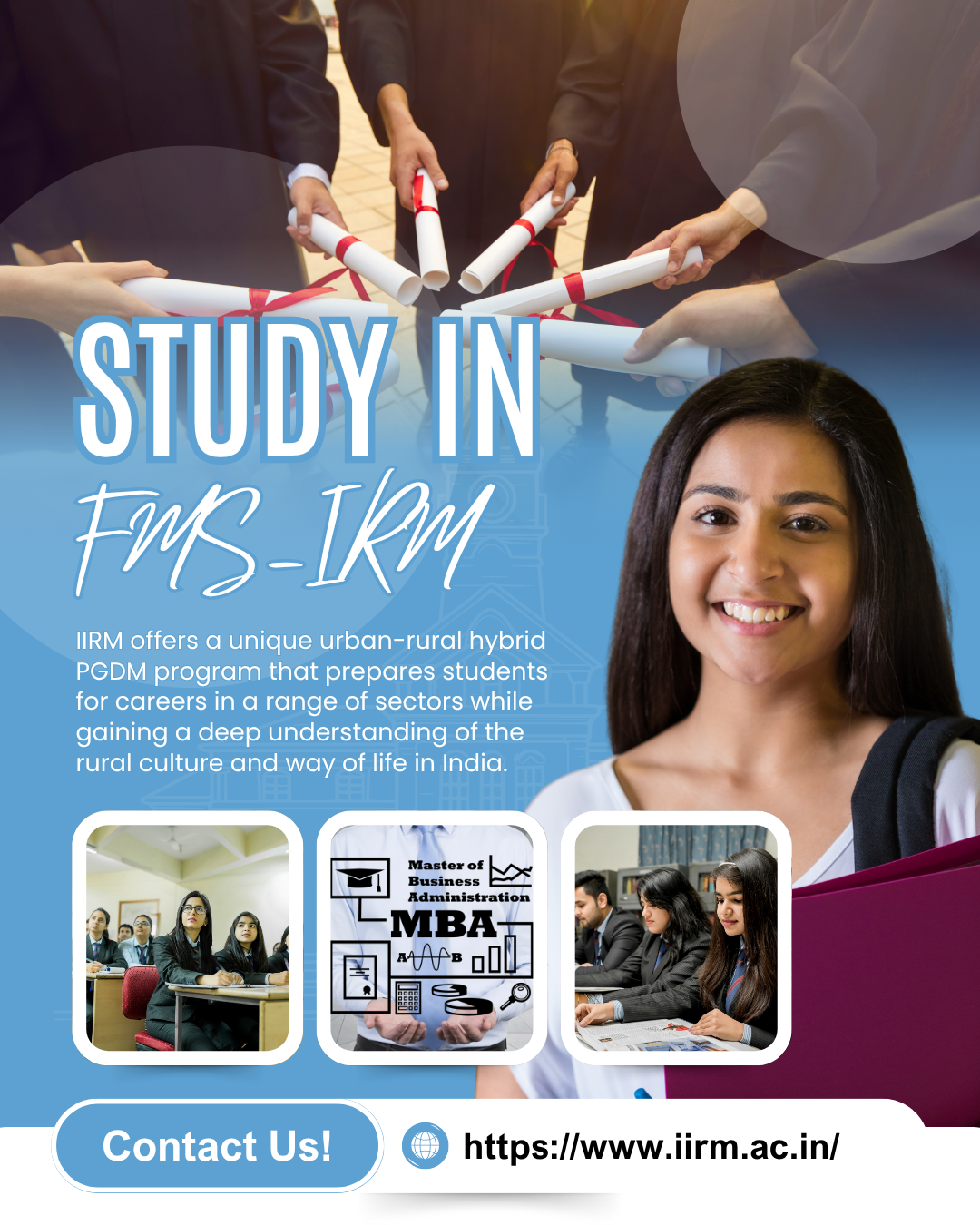
Business analytics and artificial intelligence have become the crown jewels of modern PGDM education. Today, almost every organization depends on data to make strategic decisions. From predicting customer behavior to optimizing supply chains and improving profitability, analytics has become the driving force behind business success. This growing demand has made business analytics one of the highest-paying PGDM specializations in India. In Jaipur, we have the Institute of Rural Management, IIRM College, one of the best PGDM colleges in Rajasthan.
Think about companies like Amazon, Netflix, or Flipkart. These organizations constantly analyze customer behavior, preferences, and buying patterns. Every click, search, and purchase becomes valuable business intelligence. Companies need managers who understand both business strategy and analytical tools such as SQL, Python, Power BI, Tableau, and machine learning models. This is where PGDM graduates specializing in analytics gain a significant advantage.
Indian institutions are responding aggressively to this trend. The Goa Institute of Management recently redesigned its PGDM in Big Data Analytics to align with AI-driven business decision-making. According to industry estimates, nearly 80% of organizations now integrate AI into at least one business function. Premier institutes like IIM Indore are also introducing AI and machine learning-focused electives into their curriculum.
Another major attraction of this specialization is salary potential. According to recent placement trends, business analytics professionals can secure salary packages ranging from ₹7 LPA to ₹25 LPA, depending on their experience and institute reputation. Roles such as data analyst, analytics consultant, decision science manager, and product analyst are increasingly in demand across industries like BFSI, healthcare, consulting, and e-commerce.
Career Roles and Salary Potential
| Role | Average Starting Salary | Top Recruiters |
| Business Analyst | ₹7–12 LPA | Deloitte, EY, Accenture |
| Data Analyst | ₹8–15 LPA | Amazon, Flipkart, Infosys |
| Product Analyst | ₹10–18 LPA | Swiggy, Zomato, Paytm |
| AI Strategy Consultant | ₹15–25 LPA | McKinsey, BCG, PwC |
FinTech and Digital Banking Management
The banking industry is undergoing a massive digital transformation. Traditional banks are no longer competing only with each other. They are now competing with payment apps, blockchain platforms, cryptocurrency ecosystems, and AI-powered financial tools. This transformation has created enormous opportunities for PGDM graduates specializing in FinTech and digital banking management.
FinTech is where finance meets technology. Platforms such as Google Pay, PhonePe, Paytm, Zerodha, and Razorpay have disrupted traditional banking by offering faster, smarter, and more convenient financial services. Companies now need managers who understand digital finance, blockchain systems, cybersecurity, financial analytics, and customer experience management.
According to industry reports, the BFSI sector remains one of the top recruiters for PGDM graduates. Financial institutions increasingly seek professionals who can manage evolving technologies while ensuring compliance and maintaining customer trust. This demand is particularly strong in India due to the rapid growth of digital payments and UPI-based financial innovation.
A PGDM specialization in FinTech can lead to careers in digital payments, investment banking, financial consulting, risk management, and blockchain operations. Data analytics skills are also highly valued because modern financial decisions rely heavily on predictive insights and algorithm-driven strategies.
What makes this specialization especially attractive is its versatility. Finance graduates with technical expertise can work in multinational banks, startups, or consulting firms or even launch their own fintech ventures. It combines the stability of finance with the explosive innovation of technology-driven industries.
Digital Marketing and E-Commerce Management
There was a time when marketing revolved around newspaper advertisements, television commercials, and highway billboards. Today, marketing exists within smartphones, YouTube videos, social media feeds, and Google searches. Consumer behavior has completely shifted toward digital platforms, creating massive demand for professionals who understand this ecosystem.
Digital marketing and e-commerce management have become some of the fastest-growing PGDM specializations because every business now wants a strong online presence. Whether it is a fashion brand, food delivery company, real estate agency, educational institute, or hospital, digital visibility directly impacts revenue growth. This has created opportunities in SEO, performance marketing, content strategy, influencer marketing, social media analytics, and online brand management.
The rapid growth of e-commerce platforms is one major reason behind this specialization’s popularity. Companies like Amazon, Myntra, and Nykaa constantly compete for consumer attention. Businesses require professionals who can optimize advertising campaigns, analyze customer journeys, and improve online conversion rates. A digital marketing manager today is part strategist, part psychologist, and part data analyst.
Students are also attracted to this specialization because of its creative flexibility. Unlike traditional corporate roles, digital marketing allows professionals to experiment with campaigns, storytelling, audience engagement, and content creation. At the same time, modern marketing heavily depends on analytics tools, making it an ideal blend of creativity and data science.
Salary growth in this field can be extremely fast. Although freshers may start with moderate salary packages, professionals who deliver measurable business growth through digital channels often receive rapid promotions and lucrative compensation. In a world where businesses compete for online attention every second, skilled digital marketers have become indispensable.
Supply Chain and Logistics Management
The pandemic taught businesses one important lesson: supply chains are the backbone of the global economy. When logistics systems fail, everything from grocery deliveries to automobile manufacturing gets disrupted. This realization has made supply chain and logistics management one of the most important emerging PGDM specializations.
Modern supply chains are far more complex than simple transportation networks. They involve advanced forecasting, inventory management, AI-driven demand prediction, warehouse automation, and international coordination. Companies need managers who can balance cost efficiency with operational speed while managing unexpected disruptions.
The rapid growth of e-commerce has accelerated this demand significantly. Every time a customer places an online order expecting same-day delivery, a massive logistics network operates behind the scenes. Companies like Amazon and Flipkart invest heavily in supply chain optimization because customer satisfaction depends greatly on delivery efficiency.
Industry reports highlight strong growth opportunities in operations and logistics management. Supply chain professionals with expertise in automation and data-driven operations are highly sought after across industries such as manufacturing, pharmaceuticals, retail, and e-commerce.
One major advantage of this specialization is its universal relevance. Supply chain expertise is required in almost every sector, including food production, healthcare, aviation, automotive, and retail. Professionals specializing in procurement, inventory optimization, analytics, and global sourcing often enjoy stable careers and international opportunities.
Healthcare and Hospital Management
The healthcare industry today extends far beyond doctors and nurses. It has evolved into a vast business ecosystem involving hospitals, insurance providers, pharmaceutical companies, medical technology firms, digital health platforms, and wellness startups. As the healthcare industry continues expanding, the demand for managers with healthcare expertise has grown significantly.
A specialization in healthcare and hospital management prepares students to manage hospital administration, healthcare finance, supply chains, marketing, and patient experience systems. Modern hospitals function like complex organizations where efficiency, profitability, and service quality must work together seamlessly.
India’s healthcare sector is growing rapidly due to increasing healthcare awareness, medical tourism, and government investment in healthcare infrastructure. This growth has created opportunities not only in hospitals but also in pharmaceutical companies, insurance firms, diagnostics businesses, and healthcare startups.
One major advantage of this specialization is career stability. Healthcare services remain essential regardless of economic conditions. Professionals who combine management skills with healthcare knowledge often advance quickly because the talent pool in this niche remains relatively limited.
Healthcare management also attracts students who seek meaningful careers. Unlike purely profit-driven industries, healthcare allows professionals to improve operational efficiency while positively impacting patient care and healthcare accessibility.
ESG and Sustainability Management
Sustainability is no longer just a fashionable buzzword used in corporate presentations. It has become a critical business necessity. Investors, governments, consumers, and international organizations increasingly expect companies to adopt environmentally responsible practices. This shift has created a growing demand for professionals specializing in sustainability and ESG (Environmental, Social, and Governance) management.
Imagine operating a factory today without considering carbon emissions, renewable energy usage, or ethical sourcing practices. Investors would question the company’s future viability. Consumers would criticize the brand online, and governments could impose penalties. Sustainability is now directly connected to brand reputation, profitability, and long-term business survival.
A PGDM specialization in ESG management focuses on sustainable business strategies, green finance, ethical governance, climate risk management, and corporate social responsibility. Companies need professionals who can balance profitability with environmental responsibility and social impact.
This specialization is gaining popularity because global organizations increasingly prioritize ESG compliance. Businesses across manufacturing, energy, consulting, finance, and retail sectors actively recruit sustainability professionals to help meet international environmental standards.
The field also offers excellent international exposure because sustainability challenges are global in nature. Professionals may work on renewable energy projects, sustainable supply chains, ESG reporting systems, or green investment strategies. As climate concerns continue to grow worldwide, ESG expertise is becoming one of the most future-proof career options in management education.
Product Management and Innovation
Startups have completely transformed the way businesses innovate. Companies today want managers who can build products customers genuinely love instead of simply managing existing systems. This has made Product Management and Innovation one of the most exciting PGDM specializations.
A product manager works like the captain of a ship. They coordinate between technology teams, marketing departments, designers, and business leaders to create successful products. Whether it is a mobile application, software platform, digital service, or physical product, product managers play a central role in shaping customer experience.
The startup ecosystem has dramatically increased demand for such professionals. Companies like Swiggy, Zomato, Ola, and many SaaS startups actively recruit candidates with strong analytical thinking, strategic planning, and innovation management skills.
One reason this specialization is so attractive is its dynamic nature. Product managers constantly solve real-world business problems. One day, they may analyze customer feedback, and the next day, they may brainstorm product features or collaborate with developers to improve user experience.
This field also rewards leadership and creativity. Unlike traditional corporate roles, product management encourages experimentation, innovation, and fast decision-making. Professionals who succeed in this domain often move into senior leadership positions or entrepreneurial ventures because they develop strong business-building capabilities.
Human Resource Analytics and Talent Management
Human Resources has undergone a massive transformation over the past few years. Earlier, HR departments mainly focused on recruitment, payroll, and employee policies. Today, HR professionals use AI tools, analytics, and behavioral insights to improve workforce performance and organizational culture.
Human resource analytics and talent management combine traditional HR practices with data-driven decision-making. Companies now analyze employee productivity, hiring patterns, engagement levels, and retention trends to optimize workforce efficiency.
This specialization has become increasingly important because talent competition is intense across industries. Organizations want professionals who can attract, develop, and retain skilled employees in highly competitive markets.
Modern HR managers work closely with leadership teams to shape organizational strategy. Predictive analytics helps identify workforce challenges before they become serious issues. For example, AI-powered systems can help companies predict employee attrition risks and improve retention strategies.
Management institutes report a growing demand for HR professionals who understand technology integration and people analytics. This shift is especially visible in multinational corporations and rapidly growing startups, where workforce management directly affects business performance.
International Business and Global Trade
The business world is more interconnected than ever before. A smartphone designed in California may use chips from Taiwan, software from India, manufacturing facilities in China, and marketing teams from Europe. This globalization has increased demand for professionals specializing in international business and global trade.
A PGDM in International Business focuses on global markets, cross-border trade regulations, international finance, global supply chains, export-import management, and cultural negotiation strategies. As companies expand globally, they require managers who understand international business environments and geopolitical complexities.
This specialization is especially valuable for students interested in global careers. Multinational corporations actively seek professionals who can manage international operations and navigate cultural differences effectively.
International Business also overlaps with logistics, finance, and marketing, making it a highly versatile specialization. Professionals in this field may work for export houses, international consulting firms, global banks, multinational retailers, or diplomatic trade organizations.
The growth of global e-commerce and international digital services has further strengthened demand for globally aware management professionals. In many ways, this specialization prepares students to operate successfully in a borderless business environment.
How to Choose the Right PGDM Specialization
Choosing the right PGDM specialization is similar to selecting the right path for a long journey. The decision you make today can influence your career opportunities for many years. Many students make the mistake of blindly following trends without evaluating their own strengths and interests.
The first step is understanding your skill set. If you enjoy numbers, problem-solving, and analytical thinking, business analytics or FinTech may be ideal choices. If you are passionate about creativity and communication, digital marketing could be a better fit. Students interested in operations and process optimization may thrive in supply chain management.
It is equally important to analyze industry demand. Placement reports, recruiter preferences, and salary trends provide valuable insight into future opportunities. Currently, analytics, AI, fintech, and digital business dominate hiring trends because organizations urgently require these capabilities.
Long-term adaptability is another critical factor. Technology evolves rapidly, so selecting a specialization with transferable skills can protect your career from future market shifts. Specializations that combine management with technology generally provide better flexibility and long-term relevance.
Finally, research the institution itself. A specialization is only as strong as the faculty, curriculum, industry partnerships, internships, and placement support behind it. Some colleges excel in finance, while others are known for analytics or marketing. A well-matched institute-specialization combination can significantly improve your career trajectory.
Conclusion
The future of management education is becoming increasingly specialized, technology-driven, and industry-focused. Traditional PGDM programs are evolving rapidly because companies now demand professionals who can combine management expertise with analytical, digital, and strategic capabilities. Emerging specializations such as business analytics, AI management, FinTech, supply chain management, ESG, product management, and digital marketing are shaping the next generation of corporate leaders.
The good news is that students today have more opportunities than ever before. Industries are expanding, new business models are emerging, and organizations are actively searching for future-ready professionals. The challenge is no longer finding a management course — it is selecting the specialization that aligns with both your passion and market demand.
A well-chosen PGDM specialization can become a powerful career accelerator. It can open doors to high-paying jobs, international opportunities, leadership positions, and entrepreneurial ventures. In a rapidly changing world, specialization is no longer just an academic decision. It is a strategic investment in your future.
FAQs
1. Which PGDM specialization offers the highest salary potential?
Business Analytics, AI Management, FinTech, and Product Management currently offer some of the highest salary packages because of strong industry demand and skill shortages.
2. Is a PGDM better than an MBA for specialized learning?
PGDM programs often adapt faster to industry trends because autonomous institutes can update their curriculum more frequently than traditional universities.
3. Are emerging PGDM specializations future-proof?
Specializations linked to technology, analytics, sustainability, and digital transformation are expected to remain highly relevant for the next decade.
4. Which specialization is best for students interested in startups?
Product management, digital marketing, business analytics, and innovation management are highly suitable for startup-oriented careers.
5. Can non-technical students pursue analytics-based PGDM specializations?
Yes. Many PGDM analytics programs teach technical tools from the basics, making them accessible even for students without engineering backgrounds.





No Comment! Be the first one.