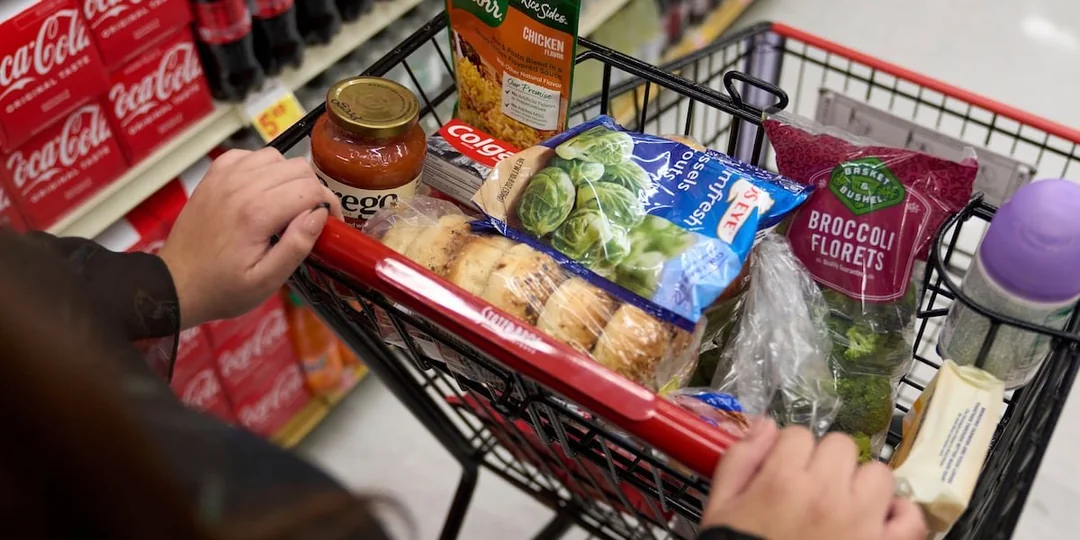
Grocery shopping in the United States has become more strategic than ever, with rising food costs pushing consumers to actively hunt for the best deals. In 2026, the average weekly grocery bill remains high, with staple items like milk, eggs, meat, and vegetables continuing to fluctuate in price. However, savvy shoppers can still find excellent grocery deals by choosing the right stores, timing their purchases, and using modern savings tools.
One of the biggest trends shaping grocery deals in the USA is the growing popularity of discount grocery chains. Stores such as Aldi, Lidl, Walmart, WinCo Foods, and Save-A-Lot consistently offer some of the lowest prices on everyday items. These retailers focus on efficiency, private-label products, and bulk buying to keep costs down. Studies show that Aldi and Lidl often price groceries even lower than Walmart, making them top choices for budget-conscious shoppers.
Another major source of savings comes from store-brand or private-label products. Many supermarkets now offer their own versions of popular items at significantly reduced prices compared to national brands. In fact, private-label groceries have surged in popularity, accounting for a large share of total grocery sales in recent years. These products often match or exceed the quality of branded goods while costing much less, making them a smart option for everyday shopping.
Weekly promotions and seasonal sales also play a key role in finding top grocery deals. Most U.S. grocery stores release weekly ads featuring discounts on selected items such as meat, dairy, and fresh produce. Shopping according to these flyers can lead to substantial savings. For example, retailers like Kroger regularly introduce price cuts on essentials like eggs, bottled water, and vegetables as part of promotional campaigns aimed at reducing grocery bills.
Timing your shopping trip can make a surprising difference as well. Retail experts suggest visiting stores during markdown hours—typically late afternoon or evening—when perishable goods like bakery items, meat, and ready-made meals are discounted. Additionally, shopping on certain days, such as Tuesdays, can help you access newly updated deals and promotions. These small timing adjustments can significantly lower your overall grocery spending.
Another powerful strategy is using digital tools and loyalty programs. Many grocery chains offer mobile apps that provide exclusive discounts, digital coupons, and cashback offers. Signing up for store loyalty programs allows customers to unlock personalized deals based on their shopping habits. Combining these discounts with in-store promotions—often called “deal stacking”—can maximize savings on each trip.
Discount retailers like Grocery Outlet have also gained attention for their unique “treasure hunt” shopping experience. These stores offer name-brand products at deeply discounted prices, sometimes ranging from 40% to 70% below regular retail prices. However, inventory changes frequently, so shoppers need to visit often to find the best deals.
Bulk buying is another popular way to save money, especially for families. Warehouse clubs such as Costco and BJ’s Wholesale Club offer significant discounts on large quantities of groceries. While the upfront cost may be higher, the price per unit is often much lower, making it a cost-effective option for staple items like rice, pasta, and cleaning supplies.
In addition to choosing the right stores, being flexible with your shopping list can lead to better deals. Instead of sticking strictly to specific brands or items, shoppers who adapt to what’s on sale can save more. For instance, swapping expensive beef cuts for chicken or seasonal vegetables can reduce costs without sacrificing nutrition.
Community insights also highlight practical ways to maximize savings. On platforms like Reddit, shoppers often emphasize combining discount stores with regular supermarkets to balance low prices and variety. Some users recommend using rebate apps and comparing weekly flyers across multiple stores to find the best offers available.
Finally, sustainability-focused apps such as too good to go and Olio are gaining popularity in the U.S. These platforms allow users to purchase surplus food at discounted prices or even receive free items, helping both the environment and household budgets. In conclusion, finding top groceries deals USA requires a combination of smart shopping habits, strategic store selection, and the use of modern tools. By choosing discount retailers, opting for store brands, timing purchases wisely, and leveraging digital savings options, shoppers can significantly reduce their grocery expenses. As food prices continue to evolve, staying informed and flexible remains the key to maximizing value and maintaining a budget-friendly lifestyle.


Leave a Comment