


Troubleshooting Common Issues with Automatic Feeders for Cats
Automatic feeders for cats have become increasingly popular among pet owners who want to ensure their feline friends receive regular meals even when they are away. These feeders provide convenience,...

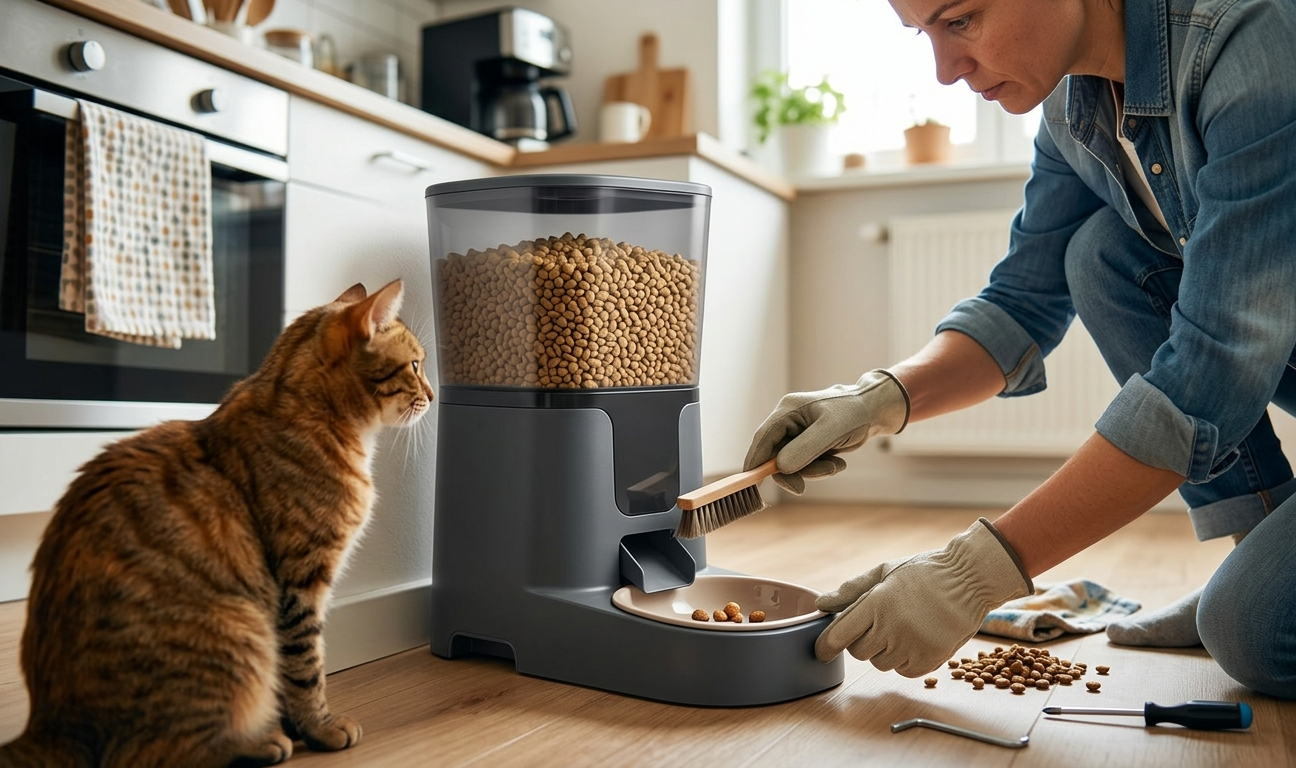
Automatic feeders for cats have become increasingly popular among pet owners who want to ensure their feline friends receive regular meals even when they are away. These feeders provide convenience, portion control, and consistent feeding schedules. However, like any device, automatic feeders can sometimes experience issues that affect performance or your cat’s feeding experience. Understanding common problems and how to troubleshoot them ensures your cat stays well-fed, healthy, and stress-free.
Table Of Content
This guide explores typical challenges with automatic feeders for cats, offers practical solutions, and highlights additional aspects of cat care, such as hygiene and parasite prevention.
1. Feeder Not Dispensing Food Properly
One of the most frequent complaints from cat owners is that the automatic feeder fails to dispense food on time or in the correct portions. This can be caused by several factors:
- Clogged Mechanism: Dry kibble can sometimes jam in the feeder’s dispensing tray or chute. Cleaning the feeder regularly and using the recommended food size helps prevent blockages.
- Incorrect Assembly: After cleaning or refilling, misaligned parts can prevent proper functioning. Always follow the manufacturer’s instructions when reassembling.
- Battery or Power Issues: Check whether the feeder has sufficient power. Low batteries or loose power connections can cause irregular dispensing.
Solution: Regular maintenance is key. Remove the hopper, clean the dispensing mechanism, and ensure that the food is not too large or sticky. Testing the feeder manually before leaving your cat unattended helps identify potential problems.
2. Cat Avoids the Feeder
Some cats may hesitate to use an automatic feeder due to unfamiliarity, noise, or positioning. Even well-behaved cats may require time to adapt.
- Noise Sensitivity: Certain feeders make mechanical sounds that can startle cats. Placing the feeder in a quiet area can help.
- Positioning Issues: Ensure the feeder is stable and accessible. Avoid placing it near litter boxes or high-traffic areas that may stress your cat.
- Food Preferences: Some cats are picky eaters. Ensure the kibble or food used is something they enjoy and can easily access.
Solution: Gradually introduce your cat to the feeder by offering small portions of food nearby first. Encourage them with gentle praise and monitor their response.
3. Feeder Malfunction or Programming Errors
Automatic feeders rely on timers and programmable settings. Incorrect programming can lead to missed or excessive feedings.
- Incorrect Time Settings: Double-check the clock and feeding schedule. Some feeders reset during battery changes, requiring reprogramming.
- Software or Sensor Malfunctions: Certain models with digital displays may have faulty sensors or programming glitches. Consult the user manual or manufacturer troubleshooting guide.
- Power Interruptions: Power outages or battery failures can interrupt the schedule, leaving your cat without food.
Solution: Always verify that the feeder’s schedule is correct before leaving for extended periods. Keeping spare batteries on hand or using a feeder with battery backup can prevent interruptions.
4. Hygiene and Food Spoilage
Automatic feeders can sometimes cause health issues if not maintained properly. Leftover food can spoil, attracting pests or leading to digestive problems.
- Spoiled Food: Wet or moist food can go bad if left in the feeder for extended periods. Dry kibble is usually more suitable for automatic feeders.
- Contamination: Dust, dirt, or pet hair may accumulate in the hopper. Regular cleaning is essential to maintain hygiene.
- Flea Infestation: While unrelated to the feeder mechanism itself, unclean feeding areas can attract insects. Indoor cats can still get fleas, so proper preventive care is important.
Solution: Clean the feeder at least once a week, wipe down the feeding tray daily, and store food in sealed containers. Pair this with routine checks for fleas and hygiene maintenance to ensure a safe feeding environment.
5. Overeating or Portion Control Issues
Some automatic feeders allow cats to access unlimited food, which can lead to overeating and obesity, especially in indoor cats. Misprogrammed portion settings can also contribute to weight gain.
- Portion Miscalculation: Ensure you are using the correct portion size according to your cat’s age, weight, and activity level.
- Multiple Cat Households: In homes with more than one cat, feeders can cause conflicts or result in one cat eating another’s portion.
- Behavioral Overeating: Some cats will paw at the feeder more often if food is delayed, causing unnecessary stress.
Solution: Choose feeders with programmable portion control and consider models that restrict access to a single cat at a time. Monitor your cat’s weight and adjust feeding quantities accordingly.
Additional Tips for Using Automatic Feeders for Cats
- Regular Monitoring: Even the best automatic feeders require occasional supervision. Check that the feeder is functioning correctly, especially during the first week of use.
- Safe Feeding Environment: Place the feeder on a flat, clean surface to prevent tipping or spillage.
- Combining with Health Practices: Alongside feeding, maintain your cat’s overall health by regularly checking for fleas and other parasites. Knowing how to get rid of fleas on cats is essential to prevent infestations that can affect both indoor and outdoor cats.
- Observation of Eating Habits: Changes in appetite or refusal to eat from the feeder may indicate health issues. Consult your veterinarian if your cat shows unusual behavior.
Conclusion
Automatic feeders for cats offer convenience, consistency, and health benefits when used properly. By understanding common issues, maintaining hygiene, and monitoring your cat’s habits, you can ensure your feline companion enjoys a steady, nutritious diet while reducing stress and promoting overall well-being. Coupled with regular preventive care such as flea control and grooming, a well-maintained automatic feeder becomes an integral part of responsible cat ownership.
FAQs About Automatic Feeders for Cats
1. Can automatic feeders be used for wet food?
While some models can handle wet food, many are designed primarily for dry kibble to prevent spoilage. Always check the feeder’s specifications.
2. How do I get my cat used to an automatic feeder?
Introduce the feeder gradually by placing food nearby first, allowing your cat to explore it, and using positive reinforcement like praise or treats.
3. What maintenance is required for automatic feeders?
Clean the hopper and dispensing tray weekly, wipe the feeding area daily, and check batteries or power connections regularly.
4. Can automatic feeders help with portion control?
Yes. Programmable feeders allow you to set specific portion sizes, reducing overeating and supporting weight management.
5. How can I protect my cat from fleas while using a feeder?
Even indoor cats can get fleas. Maintain hygiene by cleaning feeding areas, checking your cat regularly, and using veterinarian-approved preventive treatments. Knowing how to get rid of fleas on cats promptly helps prevent infestations.
Read more: Monthly cat flea treatment routine for healthy cats





No Comment! Be the first one.