


Understanding Artificial Intelligence: A Comprehensive Guide
Artificial Intelligence refers to the simulation of human intelligence in machines. These machines are programmed to think and learn like humans. AI encompasses various technologies, including...

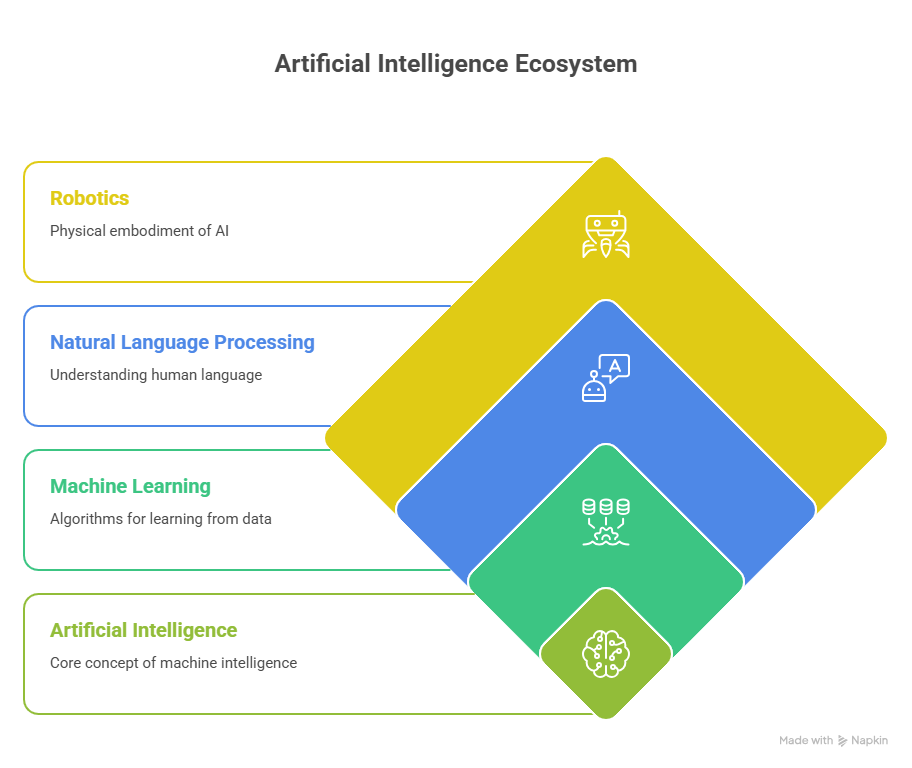
Artificial Intelligence refers to the simulation of human intelligence in machines. These machines are programmed to think and learn like humans. AI encompasses various technologies, including machine learning, natural language processing, and robotics. Understanding AI is crucial as it continues to shape our world.
Table Of Content
Key Components of AI
- Machine Learning (ML): Machine learning is a subset of AI that enables systems to learn from data. It improves performance over time without being explicitly programmed. ML algorithms identify patterns and make decisions based on data inputs.
- Natural Language Processing (NLP): NLP allows machines to understand and interpret human language. This technology powers applications like chatbots and virtual assistants. NLP bridges the gap between human communication and machine understanding.
- Robotics: The term involves designing and creating robots that can perform tasks autonomously. AI enhances robotics by enabling machines to adapt to their environment and make decisions
Types of Artificial Intelligence
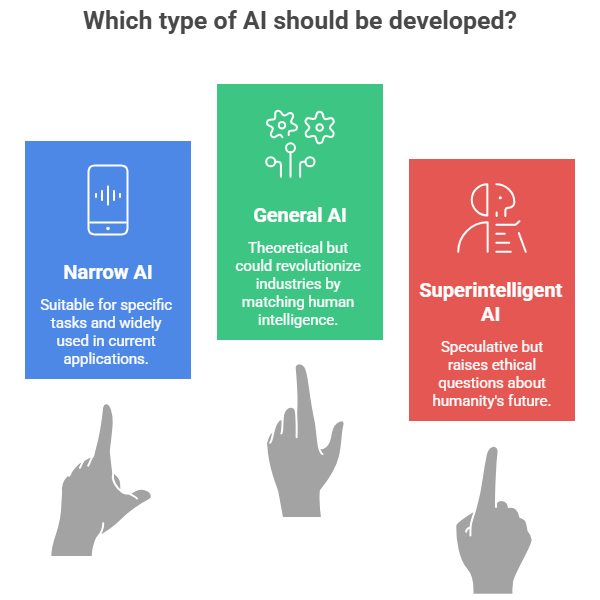
Understanding the different types of AI is essential for grasping its applications. AI can be categorized into three main types: narrow AI, general AI, and superintelligent AI.
- Narrow AI
Narrow AI, also known as weak AI, is designed to perform specific tasks. Examples include virtual assistants like Siri and Alexa, which can perform functions such as setting reminders or answering questions. Narrow AI is prevalent in various applications, including customer service and recommendation systems.
- General AI
General AI, or strong AI, refers to systems that possess the ability to understand, learn, and apply knowledge across a wide range of tasks. While this type of AI remains largely theoretical, its development could revolutionize industries by enabling machines to perform any intellectual task that a human can do.
- Superintelligent AI
Superintelligent AI surpasses human intelligence and capability. This concept raises ethical and philosophical questions about the future of humanity and technology. While superintelligent AI is still a topic of speculation, discussions around its implications are crucial as AI continues to advance.
Applications of Artificial Intelligence
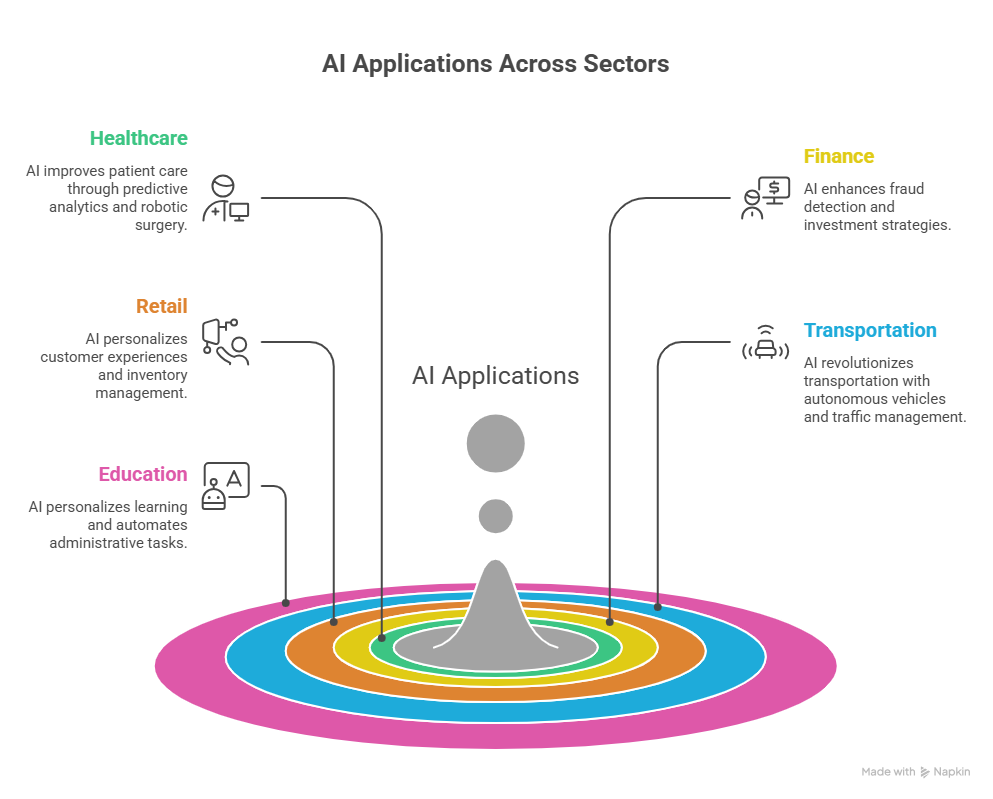
AI is transforming numerous industries. Here are some notable applications:
- Healthcare
AI is revolutionizing healthcare by improving diagnostics and treatment plans. Machine learning algorithms analyze medical data to identify diseases early. AI-powered tools assist doctors in making informed decisions.
- Finance
In the finance sector, AI algorithms analyze market trends and predict stock movements. Automated trading systems use AI to execute trades at optimal times. Fraud detection systems also rely on AI to identify suspicious activities.
- Retail
Retailers use AI to enhance customer experiences. Recommendation systems analyze shopping behavior to suggest products. AI chatbots provide instant customer support, improving engagement and satisfaction.
- Transportation
AI is at the forefront of developing autonomous vehicles. These vehicles use sensors and AI algorithms to navigate safely. AI also optimizes traffic management systems, reducing congestion and improving travel times.
Benefits of Artificial Intelligence
The benefits of AI are vast and varied. Here are some key advantages:
- Increased Efficiency
AI automates repetitive tasks, allowing humans to focus on more complex activities. This leads to increased productivity and efficiency across various sectors.
- Enhanced Decision-Making
AI systems analyze vast amounts of data quickly. This capability enables organizations to make data-driven decisions, improving outcomes and reducing risks.
- Cost Savings
By automating processes, AI reduces operational costs. Businesses can allocate resources more effectively, leading to significant savings over time.
- Improved Customer Experience
AI enhances customer interactions through personalized recommendations and instant support. This leads to higher customer satisfaction and loyalty.
Challenges of Artificial Intelligence
Despite its benefits, AI also presents challenges that must be addressed:
- Ethical Concerns
AI raises ethical questions regarding privacy, bias, and accountability. Ensuring that AI systems are fair and transparent is crucial for public trust.
- Job Displacement
Automation may lead to job displacement in certain sectors. While AI creates new opportunities, it also requires workers to adapt and acquire new skills.
- Security Risks
AI systems can be vulnerable to cyberattacks. Ensuring the security of AI technologies is essential to protect sensitive data and maintain trust.
Future Trends in Artificial Intelligence
The future of AI is promising, with several trends shaping its development:
- AI in Everyday Life
AI will become increasingly integrated into daily life. From smart homes to personal assistants, AI will enhance convenience and efficiency.
- Advancements in Machine Learning
Machine learning will continue to evolve, enabling more sophisticated algorithms. This will lead to improved accuracy and capabilities in various applications.
- AI and the Internet of Things (IoT)
The convergence of AI and IoT will create smarter environments. AI will analyze data from connected devices, optimizing processes and enhancing user experiences.
- Ethical AI Development
As AI becomes more prevalent, ethical considerations will take center stage. Organizations will prioritize developing AI systems that are fair, transparent, and accountable.
Conclusion
Artificial Intelligence is a transformative technology with the potential to reshape industries and improve lives. Understanding its components, applications, benefits, and challenges is essential for navigating the future. As AI continues to evolve, embracing its potential while addressing ethical concerns will be crucial for sustainable development.


No Comment! Be the first one.