



Understanding Modern Menstrual Care Products and Their Importance
Menstrual hygiene is an essential part of personal health and daily comfort. Over the years, awareness regarding menstrual wellness has increased significantly, leading to the development of...

Menstrual hygiene is an essential part of personal health and daily comfort. Over the years, awareness regarding menstrual wellness has increased significantly, leading to the development of different hygiene products designed to meet individual needs and lifestyles. Today, people can choose from multiple menstrual care options depending on comfort, skin sensitivity, flow level, and convenience. Understanding these products helps individuals make informed decisions that support hygiene, confidence, and overall well-being.
Traditional menstrual products have evolved with changing consumer preferences. Earlier, options were limited, but now modern menstrual care includes reusable, disposable, and environmentally friendly alternatives. This variety allows users to select products that suit their daily routines and physical comfort.
One of the increasingly discussed products is period underwear. These products are designed to provide absorbent protection while maintaining comfort during menstruation. Many people prefer them because they can be reused after washing, making them a practical option for daily wear. They are available in different absorbency levels and styles, allowing users to select what works best for their lifestyle. Comfort and convenience are often major reasons why people explore reusable menstrual solutions.
Another commonly used menstrual hygiene product is sanitary pads. These products remain popular because they are easy to use and widely available. Pads come in different sizes, thickness levels, and absorbency options to support different menstrual flow requirements. Some products are designed for overnight use, while others are intended for lighter daytime protection. Proper hygiene practices such as changing pads regularly are important for maintaining cleanliness and reducing discomfort.
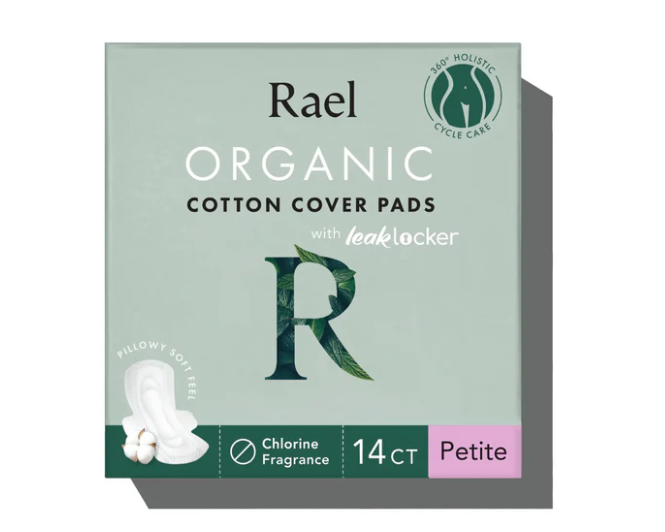
In recent years, many consumers have become more conscious about sustainability and skin-friendly materials. This has increased interest in organic cotton menstrual pads. These products are usually made using softer and more breathable materials compared to some conventional alternatives. Individuals with sensitive skin often prefer products made from organic materials because they may reduce irritation and discomfort. Environmental concerns have also encouraged many people to explore products designed with biodegradable or eco-friendly materials.
Internal menstrual products are also widely used across different countries. Tampons provide another option for menstrual management and are often chosen for convenience during physical activities, travel, or sports. Many consumers searching for tampons Singapore focus on comfort, absorbency levels, and safety guidelines before selecting suitable products. Proper usage instructions remain important because hygiene and regular replacement are essential for safe use.
Along with primary menstrual products, panty liners are commonly used for lighter flow days, spotting, or daily freshness. These products are thinner than regular pads and are often used before or after menstruation. Many individuals also use them alongside other menstrual products for additional protection and confidence throughout the day.
Education regarding menstrual hygiene continues improving worldwide. Schools, healthcare professionals, and awareness campaigns now encourage open discussions about menstruation and hygiene management. Better awareness helps reduce stigma and allows people to make informed decisions regarding health and comfort.
Personal preference plays a major role when choosing menstrual products. Factors such as skin sensitivity, lifestyle, environmental awareness, and comfort influence purchasing decisions. Some individuals prefer disposable products because of convenience, while others choose reusable alternatives to reduce waste and long-term expenses.
Comfort is another important consideration during menstruation. Poor-quality products may cause irritation, discomfort, or inconvenience during daily activities. This is why many people spend time comparing product materials, absorbency levels, and design features before making decisions.
Modern menstrual products are also designed with active lifestyles in mind. Many individuals continue working, exercising, studying, and traveling during menstruation, so products that provide comfort and reliability remain highly valued. Manufacturers continue developing products that support movement, flexibility, and confidence.
Environmental awareness has also influenced menstrual product discussions. Disposable menstrual waste contributes to environmental concerns, encouraging some consumers to explore reusable alternatives such as washable underwear or reusable pads. Sustainable menstrual care is becoming more common as people seek environmentally responsible choices.
Health experts also emphasize the importance of menstrual hygiene routines. Regular product replacement, proper cleaning, and choosing suitable materials all contribute to maintaining comfort and hygiene. Understanding how different products function can help individuals select safer and more comfortable options.
The future of menstrual care will likely continue evolving with innovation and increased awareness. Companies and healthcare advocates are focusing on comfort, sustainability, and accessibility to improve menstrual wellness for different communities worldwide.
In conclusion, menstrual hygiene products continue playing an important role in supporting comfort, health, and daily confidence. People today have access to multiple options that match different lifestyles and preferences, including period underwear, sanitary pads, organic cotton menstrual pads, tampons Singapore, and panty liners, all of which contribute to better menstrual care awareness and personal hygiene management.





No Comment! Be the first one.