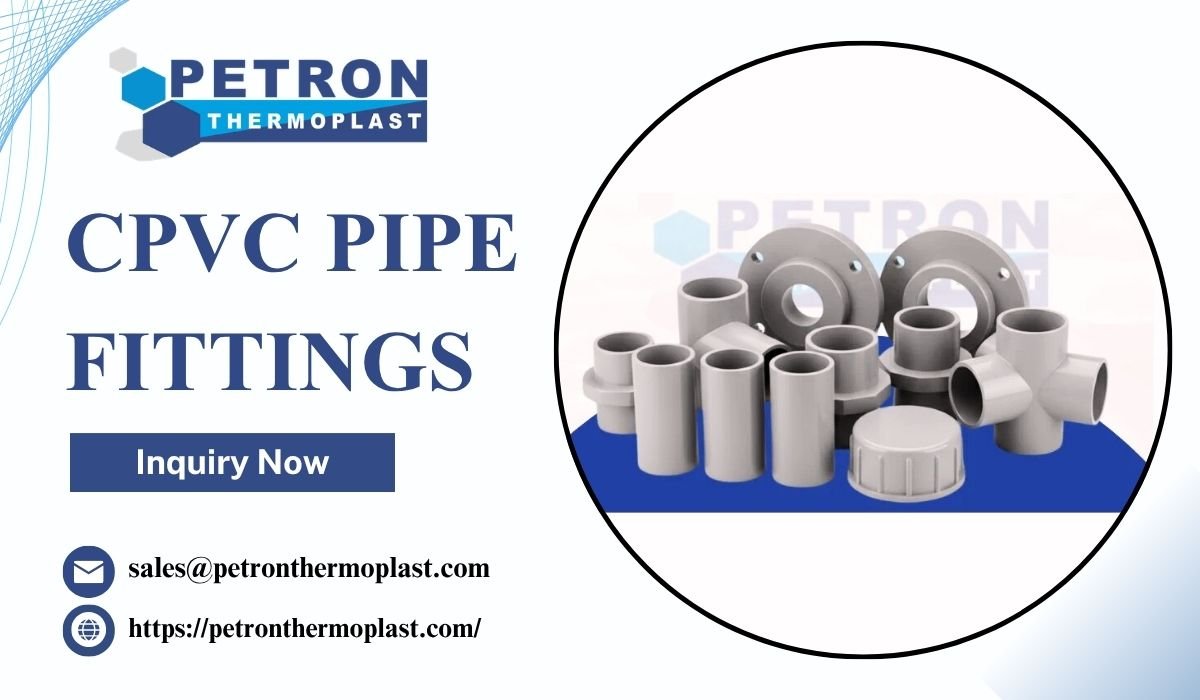
In industrial fluid handling and infrastructure systems, the selection of piping materials directly affects performance, safety, and long-term operational cost. As industries continue to demand higher efficiency, corrosion resistance, and thermal stability, CPVC pipe fittings have become a preferred solution across multiple sectors.
Upgrading to durable CPVC (Chlorinated Polyvinyl Chloride) pipes fittings enables industries to enhance system reliability, reduce maintenance frequency, and ensure safe handling of high-temperature and corrosive fluids. This article provides a comprehensive technical overview of CPVC pipes and fittings, including their properties, advantages, applications, and why they are a strategic upgrade for modern systems.
What are CPVC Pipes and Fittings?
CPVC pipes and fittings are thermoplastic piping components manufactured by chlorinating polyvinyl chloride (PVC), which increases its chlorine content and enhances its temperature and chemical resistance.
Common Types of CPVC Fittings:
- Elbows (45° and 90°)
- Tees (equal and reducing)
- Couplers and sockets
- Reducers
- Flanges
- Unions
Key Material Properties of CPVC
✔ High Temperature Resistance
- Continuous operating temperature: up to 90–95°C
- Suitable for hot water and heated process fluids
✔ Excellent Chemical Resistance
CPVC resists:
- Acids
- Alkalis
- Salts
This makes it ideal for industrial chemical handling applications.
✔ High Mechanical Strength
- Strong and rigid structure
- Suitable for pressurized systems
✔ Low Thermal Conductivity
- Reduces heat loss in piping systems
- Improves energy efficiency
✔ Smooth Internal Surface
- Minimizes friction loss
- Enhances flow efficiency
✔ Corrosion-Free Performance
Unlike metal pipes, CPVC does not:
- Rust
- Scale
- Corrode
Advantages of Upgrading to CPVC Pipes Fittings
Enhanced Durability
CPVC systems are designed to withstand harsh industrial conditions, ensuring long-term reliability.
Reduced Maintenance Costs
Corrosion resistance eliminates frequent repairs and replacements.
Improved System Efficiency
Smooth internal surfaces reduce pressure loss and improve fluid flow.
Easy Installation
- Lightweight material
- Simple joining methods (solvent cementing)
- Reduced labor requirements
Cost-Effective Solution
Lower lifecycle cost compared to metal piping systems.
Safety and Reliability
- Leak-proof joints
- Stable performance under varying conditions
Industrial Applications of CPVC Pipes Fittings
Chemical Processing Industry
Used for transporting:
- Corrosive chemicals
- Process fluids
Ensures safe and reliable operation.
Hot Water Systems
CPVC is widely used in:
- Industrial heating systems
- Hot water distribution networks
Water Treatment Plants
- Chemical dosing systems
- Filtration units
HVAC Systems
- Heating and cooling pipelines
- Efficient thermal management
Pharmaceutical and Food Industries
- Clean and contamination-free fluid transport
Industrial Manufacturing
- Fluid handling systems
- Process pipelines
CPVC vs Other Piping Materials
| Property | CPVC | PVC | Metal | HDPE |
| Temperature Resistance | High | Low | High | Moderate |
| Chemical Resistance | Excellent | Moderate | Poor | Good |
| Corrosion Resistance | Excellent | Good | Poor | Excellent |
| Cost | Moderate | Low | High | Moderate |
| Maintenance | Low | Low | High | Low |
Design Considerations for CPVC Systems
Operating Temperature
Ensure system temperature does not exceed CPVC limits.
Pressure Rating
Select fittings based on pressure requirements.
Chemical Compatibility
Verify compatibility with transported fluids.
Installation Environment
Consider exposure to UV and external conditions.
Jointing Method
Use proper solvent cement for secure connections.
Installation Best Practices
- Clean and dry pipe surfaces before joining
- Use recommended solvent cement
- Allow proper curing time
- Avoid excessive mechanical stress
- Perform pressure testing before operation
Maintenance Guidelines
- Periodic inspection for leaks or damage
- Cleaning to prevent buildup
- Monitoring operating conditions
- Replacement of worn components
Why Upgrade Existing Systems?
Traditional piping systems, especially metal-based, often face:
- Corrosion and rust formation
- Frequent maintenance requirements
- High operational costs
- Reduced efficiency over time
Upgrading to CPVC pipes fittings provides a long-term solution with improved performance and reduced downtime.
Why Choose Petron Thermoplast?
For industries looking to upgrade systems with durable CPVC pipes fittings, Petron Thermoplast offers high-quality solutions designed for industrial performance.
Key Strengths:
- Premium grade CPVC material
- Advanced manufacturing processes
- Wide range of pipes and fittings
- Custom solutions for industrial requirements
- Competitive pricing for bulk supply
- Timely delivery for project execution
- Technical support for installation and selection
Petron Thermoplast focuses on delivering reliable and efficient piping solutions that meet global standards.
Future Trends in CPVC Piping Systems
- Increased adoption in industrial infrastructure
- Development of high-performance CPVC compounds
- Integration with smart monitoring systems
- Growing demand in global markets
These trends indicate strong future growth for CPVC piping systems.
Conclusion
Upgrading your system with durable CPVC pipes fittings is a strategic decision that enhances performance, reliability, and cost efficiency. With superior chemical resistance, high temperature capability, and long service life, CPVC is an ideal material for modern industrial piping systems.
By selecting high-quality products and a reliable supplier, industries can ensure safe and efficient fluid handling operations. Petron Thermoplast provides advanced CPVC piping solutions tailored to industrial needs, helping businesses achieve long-term operational success.

Leave a Comment