


What Causes Ongoing Body Discomfort and How Can It Be Managed Naturally?
Introduction Body discomfort can affect people of all ages and lifestyles. Many individuals experience stiffness, soreness, or difficulty moving during daily activities. In many cases, these issues...

Introduction
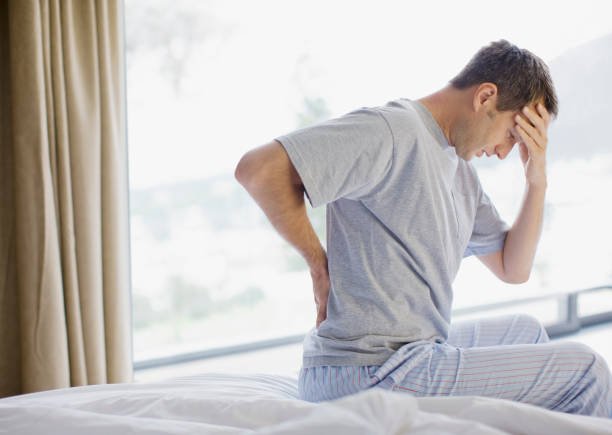
Body discomfort can affect people of all ages and lifestyles. Many individuals experience stiffness, soreness, or difficulty moving during daily activities. In many cases, these issues develop slowly because of poor posture, lack of physical activity, muscle strain, or long hours of sitting. Some people may also feel discomfort after lifting heavy objects or doing repetitive movements for extended periods.
Table Of Content
- Introduction
- How Daily Habits Affect Body Pain
- Common Reasons Behind Physical Discomfort
- How Gentle Movement Can Help Recovery
- Importance of Rest and Supportive Care
- Nutrition and Hydration for Better Mobility
- When Professional Guidance Becomes Important
- How Stress Can Influence Physical Pain
- Simple Lifestyle Changes That May Help
- Conclusion
One common concern among adults is hip and lower back pain, which can interfere with walking, sleeping, bending, or even sitting comfortably for long periods. This type of discomfort may begin mildly but can gradually affect daily routines if ignored. Understanding the possible causes and learning healthy management techniques can help people maintain better mobility and overall comfort.
How Daily Habits Affect Body Pain
Daily lifestyle choices can strongly influence muscle and joint health. People who spend long hours sitting at desks, driving, or using electronic devices may experience increasing discomfort over time. In many situations, hip and lower back pain develops because of poor posture, limited physical movement, and continuous strain on muscles. Small habits such as sitting incorrectly or avoiding regular stretching may slowly place pressure on the body and reduce flexibility.
People who do not stretch regularly may also notice reduced flexibility. Weak muscles around the hips and spine can create imbalance and increase stress on surrounding areas. Sleeping in uncomfortable positions or using poor-quality mattresses may also contribute to physical discomfort.
Maintaining proper posture during daily activities is important. Simple adjustments such as sitting upright, using supportive chairs, and taking regular movement breaks can help reduce body stress.
Common Reasons Behind Physical Discomfort
There are many possible causes of muscle and joint discomfort. Some individuals experience soreness because of overuse during physical work or exercise. Others may develop stiffness due to aging or lack of movement.
Inflammation in muscles or joints may also create discomfort and reduced flexibility. In some situations, sudden injuries or muscle pulls can make movement difficult for several days. Stress and fatigue may further increase muscle tension, making symptoms feel worse.
People who experience continuous pain should avoid ignoring early warning signs. Paying attention to body signals and resting when necessary may help prevent further strain.
How Gentle Movement Can Help Recovery
Regular physical activity plays an important role in supporting mobility and flexibility. Light exercises and stretching routines can help improve blood circulation and reduce stiffness in muscles and joints.
Walking, yoga, and low-impact activities are often considered helpful for maintaining body movement without placing too much pressure on sensitive areas. Stretching exercises focused on the hips, legs, and lower body may help improve flexibility over time.
People dealing with physical discomfort should avoid sudden intense workouts. Starting slowly and maintaining consistency is usually more beneficial than overexertion. In many cases, proper movement can help reduce tightness and support muscle recovery naturally.
Importance of Rest and Supportive Care
Rest is another important factor in managing body discomfort. Overworking tired muscles may worsen soreness and delay recovery. Taking short breaks during long working hours can help reduce pressure on the body.
Some individuals also use supportive products such as cushions, posture supports, or comfortable footwear to reduce strain during everyday activities. Warm compresses and relaxation techniques may provide temporary comfort and help muscles relax.
Good sleep is equally important for recovery. A supportive mattress and healthy sleeping position may help reduce pressure on sensitive areas and improve overall comfort during rest.
Nutrition and Hydration for Better Mobility
Healthy eating habits may also support muscle and joint health. A balanced diet containing vitamins, minerals, and proper hydration helps the body function more efficiently. Staying hydrated may support muscle flexibility and reduce fatigue.
Certain people choose nutritional supplements or wellness products as part of their recovery routine. These products are often used alongside healthy lifestyle habits to support energy levels, muscle comfort, and overall wellness.
People looking for long-term wellness solutions should focus on maintaining a balanced routine rather than relying only on temporary relief methods.
When Professional Guidance Becomes Important
While mild discomfort may improve with rest and healthy habits, persistent symptoms should not be ignored. Individuals who experience continuous stiffness, weakness, or difficulty moving may benefit from professional advice.
Some people search for options related to lower back pain treatment kl when looking for supportive care methods or wellness solutions that may help improve their daily comfort. Different individuals may require different approaches depending on their lifestyle, physical condition, and overall health needs.
Professional guidance can help identify possible causes and recommend suitable management strategies. Early attention may help prevent discomfort from affecting long-term mobility.
How Stress Can Influence Physical Pain
Stress does not only affect mental well-being; it can also influence physical health. Many people unknowingly tighten their muscles during stressful situations, leading to soreness and tension throughout the body.
Relaxation techniques such as deep breathing, meditation, and gentle stretching may help reduce stress-related muscle tightness. Spending time outdoors and maintaining healthy sleep habits may also support both mental and physical wellness.
Creating a balanced routine that includes movement, relaxation, and proper rest can improve overall quality of life and reduce daily discomfort.
Simple Lifestyle Changes That May Help
Small lifestyle adjustments can make a noticeable difference over time. Some helpful daily habits include:
- Taking short walking breaks during work hours
- Stretching regularly in the morning or evening
- Avoiding heavy lifting without proper support
- Maintaining healthy posture while sitting or standing
- Staying physically active with gentle exercises
- Drinking enough water throughout the day
- Getting sufficient sleep and recovery time
Consistency is important when managing body discomfort naturally. Gradual improvements often come from maintaining healthy routines every day.
Conclusion
Physical discomfort can affect daily activities and overall well-being if left unmanaged. Factors such as poor posture, stress, inactivity, and muscle strain may contribute to ongoing soreness and stiffness. Developing healthy habits, staying active, and allowing the body proper rest may support better mobility and comfort over time.
Conditions related to hip and lower back pain can often improve through supportive lifestyle changes, gentle movement, and proper care. Similarly, individuals exploring options connected to lower back pain treatment kl may benefit from understanding the importance of balanced routines and early attention to physical discomfort.
Focusing on long-term wellness, healthy movement, and proper self-care can help people maintain a more active and comfortable lifestyle.





No Comment! Be the first one.