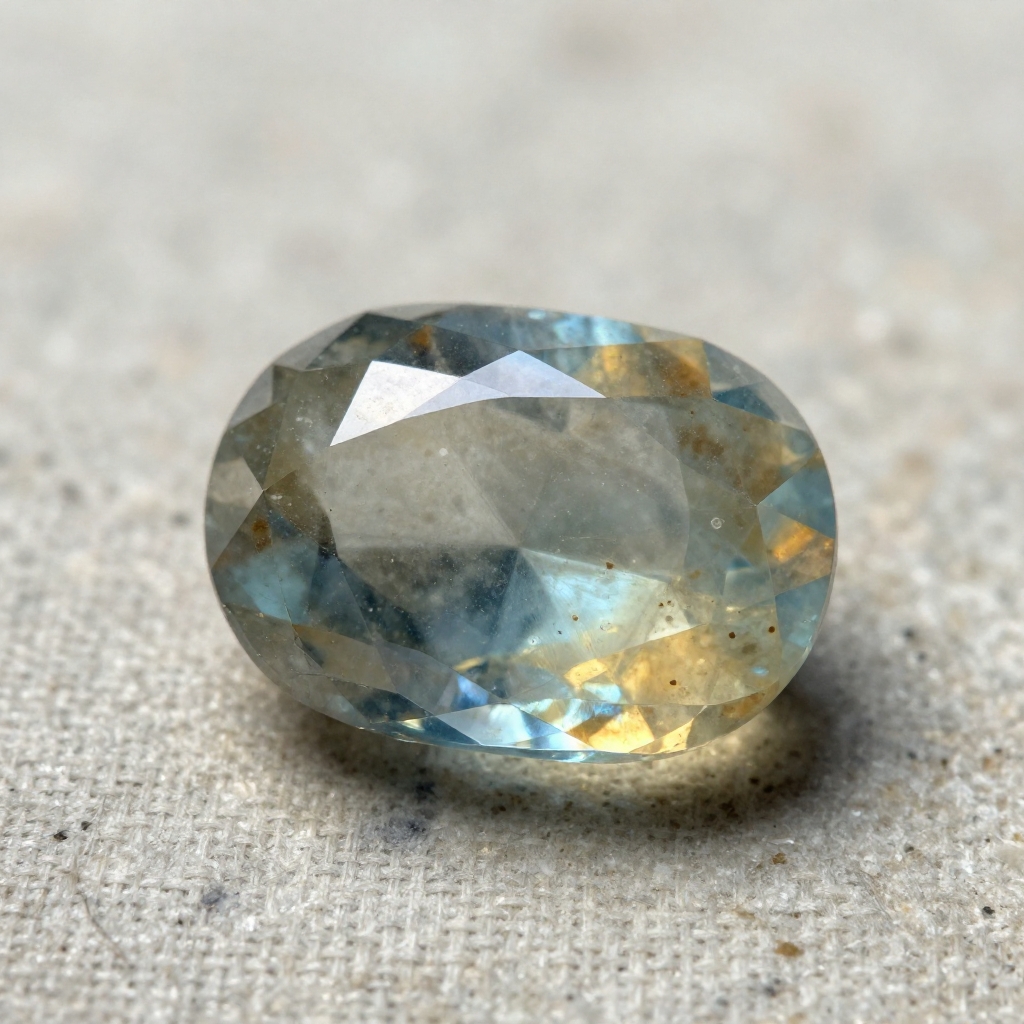
If you’ve ever looked at a topaz gemstone and thought, “Wait… I thought topaz was only blue,” you’re not alone. I used to think the same thing. Then I saw a soft pink topaz in a jewelry case once, and honestly, it changed my whole perspective.
Topaz is one of those gemstones that quietly surprises you. It doesn’t just come in one or two shades. It shows up in a whole spectrum, from icy blues to warm golden tones and even delicate pinks. And that variety? It’s exactly what makes it so interesting for jewelry lovers and collectors alike.
Let’s walk through it in a simple, real way so you can actually understand what you’re buying and maybe even find the perfect topaz stone for yourself.
What Is Topaz and What Colors Does It Naturally Occur In?
At its core, the topaz gemstone is a mineral made of aluminum and fluorine. But that’s the technical part. What really matters is how it looks and feels when you see it in real life.
A natural topaz gemstone is usually colorless when it comes out of the earth. That surprises a lot of people. The clear variety is often mistaken for diamonds at first glance.
But topaz doesn’t stop there. In nature, it can also appear in the following:
- Pale blue
- Light yellow
- Golden brown
- Soft pink (rare)
These natural shades tend to be subtle, not overly vibrant. That slightly muted tone is actually a sign you’re looking at a real topaz stone, not something overly enhanced.
Most Popular Topaz Colors: Blue, Yellow, Pink, and More
Now here’s where things get interesting. The topaz you see in jewelry stores, especially the bright blues, is often treated to enhance its color. And honestly, they’re beautiful.
Blue topaz is by far the most popular. You’ll usually see three main shades:
Sky blue feels light and airy, almost like a clear morning sky.
Swiss blue is brighter and more vibrant, a bit more eye-catching.
London blue is deeper and richer, with a slightly moody tone that a lot of people love.
Then there’s yellow topaz, sometimes called golden topaz. It has a warm, sunny glow that works really well in everyday jewelry.
Pink topaz is softer and more romantic. It’s not as common, so when you see a genuine one, it tends to stand out.
There are also less talked-about shades like champagne, peach, and even green. These aren’t as widely available, but they add a unique twist if you’re looking for something different.
Natural vs. Treated Topaz Colors: What You Should Know
This is where many buyers get confused, and honestly, it’s worth slowing down for a second.
A natural topaz gemstone forms its color in the earth over time. These stones are rarer, especially in deeper or more vibrant shades.
On the other hand, many of the bright blue stones you see are treated. This doesn’t make them fake. It just means the color has been enhanced using heat or irradiation.
So what’s the difference in real life?
A real topaz stone can be either natural or treated. Both are genuine topaz. The key difference is rarity and value.
Natural colors, especially pink or deep golden tones, tend to be more valuable because they’re harder to find. Treated stones are more affordable and widely available, which is why they’re so popular in modern jewelry.
If you’re buying for investment or something sentimental, it’s always worth asking about the origin of the color.
What Is the Rarest Topaz Color and Why Is It So Valuable?
If you’re wondering which color stands out the most, it’s pink. Natural pink topaz is extremely rare.
There’s also imperial topaz, which ranges from golden orange to a rich reddish tone. This variety is highly prized and often considered one of the most valuable forms of the topaz gemstone.
Why so expensive? Simple. Scarcity.
These colors don’t appear often in nature, and when they do, the stones are usually small. That combination of rarity and beauty drives up demand.
So if you ever come across a natural pink or imperial topaz, you’re looking at something truly special.
How to Choose the Right Topaz Color for Jewelry?
Choosing the right topaz stone isn’t just about what looks good in a display case. It’s about what feels right when you imagine wearing it.
If you like something subtle and versatile, lighter blues or clear topaz works well. They match almost anything and feel easy to wear every day.
If you want something bold, London blue or deep golden shades make more of a statement. They tend to stand out, especially in evening settings.
For a softer, more personal touch, pink or peach tones feel warm and a bit more unique.
Also, think about metal pairing. Yellow gold brings out the warmth in golden or imperial topaz, while white gold or silver enhances cooler blue tones.
At the end of the day, the best topaz gemstone engagement ring is the one that feels like you. Not just what’s trending, not just what’s popular.
Conclusion
Topaz is one of those gemstones that quietly offers more than people expect. From soft natural hues to vibrant enhanced shades, there’s a wide world of color to explore.
Whether you’re drawn to a subtle natural topaz gemstone or a bold, eye-catching blue, each piece tells its own story. And that’s really what makes a real topaz stone worth choosing.
If you’re thinking about adding one to your collection or gifting something meaningful, take your time. Look closely. Ask questions. The right color tends to find you when you’re not rushing.
FAQs
1. What is the most common color of topaz gemstone?
Blue is the most common in jewelry stores, but most blue topaz stones are treated to enhance their color.
2. Is natural topaz gemstone better than treated topaz?
Not necessarily better, just rarer. A natural topaz gemstone may have higher value, but treated stones are still real and widely loved.
3. How can I tell if I have a real topaz stone?
The best way is through a certified jeweler or gem lab. Visual checks can help, but professional verification ensures accuracy.


Leave a Comment