


What Does a Life Coach Do & How Can They Help You Improve Your Life?
Life coaching has become one of those terms that gets used loosely. People throw it around without quite knowing what it means. Some hear it and picture a motivational speaker yelling about hustle....

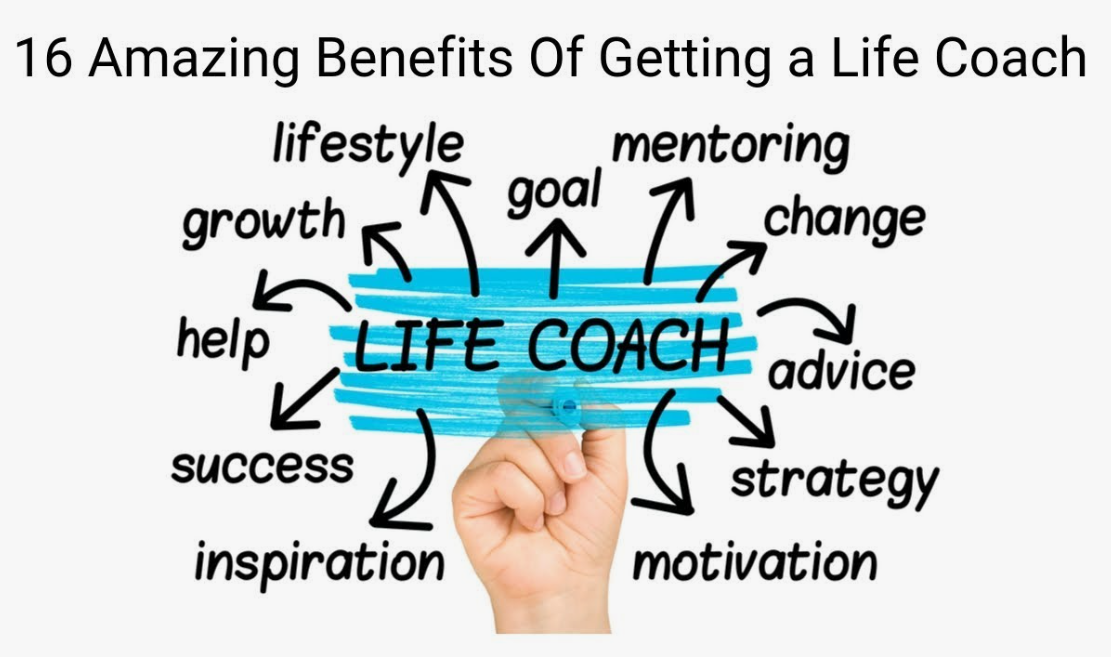
Life coaching has become one of those terms that gets used loosely. People throw it around without quite knowing what it means. Some hear it and picture a motivational speaker yelling about hustle. Some picture a therapist with a different name. Some picture a friend who charges money. The actual practice of life coaching is something else, and it’s worth knowing what it is before deciding whether it might help you.
If you’ve found yourself searching for what does a life coach do, you’re probably standing somewhere in your own life that feels stuck, unclear, or harder than it should be. You’re not necessarily in crisis. You’re just sensing that something isn’t working, and you’ve heard that a coach might help, and you’re trying to figure out what that actually means in practice.
Let’s get into it.
What a Life Coach Actually Does
A life coach is someone whose job is to help you make progress in your life. Not by telling you what to do. Not by giving you a five-step plan. Not by being your friend or your fan. By asking you the questions you haven’t been asking yourself, and helping you hear your own answers more clearly.
The work happens through structured conversations. You bring what you’re stuck on. The coach asks questions that get underneath the surface of it. You think out loud. The coach reflects back what they’re hearing. You start to see the situation more clearly. You arrive at choices about what to do next, which the coach then helps you commit to and follow through on.
That’s the core of it. The coach holds space for you to do thinking you can’t easily do alone. They don’t replace your thinking. They support it.
This is different from therapy, which often works on healing past wounds and addressing mental health symptoms. It’s different from consulting, which involves an expert giving you specific advice. It’s different from mentoring, which involves someone sharing what worked for them. Coaching is its own thing. It’s focused on the present and the future, on what you want and how to get there, on you as the expert on your own life.
What a Life Coach Doesn’t Do
It’s worth being clear on what coaching isn’t. A coach isn’t your therapist. If you’re working through serious mental health issues, deep trauma, depression, or anxiety that’s making it hard to function, a licensed therapist is the right resource. Coaches don’t diagnose, treat, or prescribe.
A coach isn’t your guru. They don’t have all the answers. They don’t tell you what your purpose is. They don’t promise to give you a plan that fixes everything. The coaches who promise that are usually selling something more than coaching.
A coach isn’t your friend. The relationship has structure to it. There are sessions, boundaries, and a focus on your growth. A good coach cares about you genuinely, but the relationship isn’t social.
A coach isn’t there to validate every choice you make. A real coach will challenge you. They’ll point out when your story about something doesn’t quite add up. They’ll ask the hard questions you’ve been avoiding. The validation feels good, but it’s not what produces change. The honest reflection is.
Who Actually Goes to a Life Coach
A myth about coaching is that it’s only for people in crisis or people with too much money to know what to do with. Neither is true.
The women who tend to seek out coaching are women who are functional but stuck. They’ve been doing the daily life. They’ve been showing up. From the outside, they look fine. Inside, they know something needs to shift, and they haven’t been able to make the shift on their own.
Some are in transition. They’ve lost a spouse, ended a marriage, finished raising kids, lost a parent, retired from a career, gotten through a major health issue. The structure of their life has shifted, and they’re trying to figure out what comes next.
Some are in plateau. They’re doing well by external measures, but the daily experience feels flat. They sense they’re capable of more or different, and they want help getting to it.
Some are in clarity work. They know what they don’t want anymore. They’re not sure what they do want. They want a structured way to figure it out.
Some are working on confidence. They’ve been competent for years. Inside, they don’t feel as solid as they should. They want to rebuild the foundation underneath the externally successful life.
Coaching meets women where they are. The work is calibrated to the woman, not to a category.
What a Coaching Relationship Actually Looks Like
A typical coaching relationship involves regular sessions, usually weekly or every other week, lasting forty-five minutes to an hour. The relationship continues for months, sometimes longer, depending on what’s being worked on.
In the first sessions, the coach is usually mapping the situation. What’s going on. What you’ve already tried. What you want to be different. What patterns you’re noticing. The coach is building a picture of who you are and what’s underneath the presenting question.
In the middle of the work, the sessions tend to focus on the actual moves you’re making. The conversation you had this week. The decision you faced. The pattern that came up again. The coach helps you see what you’re working with, what’s getting in the way, and what’s available next.
Toward the later phase, the work tends to deepen and stabilize. The patterns you used to wrestle with become more manageable. The choices you used to agonize over come faster. The version of yourself you’ve been working toward starts to feel more like the default, not the aspiration.
Throughout, the work is collaborative. The coach isn’t doing it to you. You’re doing it together. The coach brings questions, structure, presence, and outside perspective. You bring the actual life, the actual choices, and the willingness to look at what’s there.
What Coaching Actually Helps With
The range of things coaching can help with is wide. A few common ones.
Major life transitions. Divorce, widowhood, career change, becoming a mother, finishing being a primary caregiver. Coaching can help women find their footing during periods when the old structures don’t apply anymore.
Confidence and self-trust. Many women, especially after long relationships or long-held roles, lose touch with their own read on situations. Coaching helps rebuild the connection to your own gut.
Mindset patterns. The chronic self-criticism. The inner voice that’s hard on you. The patterns of thought that keep producing the same outcomes. Coaching helps surface these and shift them.
Decision-making. Some women use coaching to work through specific big decisions. Whether to leave the marriage. Whether to take the new job. Whether to make the move. The coach doesn’t decide for you. They help you hear your own answer more clearly.
Direction and purpose. The questions of what you actually want at this stage of life, separate from what you used to want or what others expect. Coaching gives you structured time to work through these.
Boundaries and limits. The chronic over-giving, the difficulty saying no, the patterns of being everyone’s emotional support. Coaching helps you see the patterns and start adjusting them.
This is a partial list. Most coaching ends up touching several of these at once, because they’re connected in real life.
How to Tell If Coaching Might Be Right for You
Some signals that coaching might be a good fit.
You can articulate, even loosely, that you want to be different than you are now. The wanting has to be there. Coaching doesn’t work for someone who’s been pushed into it.
You’re functional but stuck. You’re not in acute mental health crisis. You’re working with the texture of an ordinary life that you want to do differently.
You’re willing to look at hard things about yourself. Coaching, done well, isn’t comfortable all the time. The work involves seeing patterns that aren’t always flattering. If you’re not ready to look, the work won’t go anywhere.
You’re willing to take action. Coaching is mostly about what happens between sessions, not in them. The work happens in your daily life. The sessions are where you reflect, recalibrate, and plan. The actual change is in the days.
If those signals are present, coaching is probably worth exploring. The next move is to find a coach whose approach fits the kind of work you’re trying to do.
Finding the Right Coach
Not all coaches work the same way. Some are more directive. Some are more reflective. Some specialize in certain areas, like career, relationships, transitions, or confidence work. The match between the coach and the woman matters.
When looking for a coach, pay attention to a few things. Their experience and training. Their specialization, if they have one. Their style, which you can usually sense from their materials, their writing, or a first conversation. The way they describe what they do, which tells you what to expect.
A good first move is to have an introductory call. Most coaches offer this for free. The call lets you ask questions, hear how they work, and notice whether you feel comfortable enough with them to do real work. Trust your instinct on the fit. If something feels off, find someone else.
When She Speaks… Listen is a coaching practice founded by Gina, a life coach who works with women going through transitions. Her approach focuses on real conversations and the slow rebuilding of confidence, clarity, and direction during the harder chapters of a woman’s life. The practice offers one-on-one virtual sessions, group coaching circles, and other formats that fit different kinds of needs.
If you’ve been considering coaching for yourself, looking at how a particular coach describes her work is one of the better ways to gauge whether her approach might fit you. The language a coach uses to talk about her process tells you a lot about what working with her would actually feel like.
What to Expect From the Work Over Time
Coaching isn’t usually a quick fix. The change happens in layers, over months. A few common arcs.
The first month or two is often about clarity. The fog you came in with starts to lift. You see what you’re actually dealing with more clearly. You name patterns. You identify what you want to change and what you’ve been afraid to look at.
The middle months are about action. The patterns get tested in real life. The choices you’ve been avoiding start getting made. The voice that used to derail you gets quieter. You start to have evidence, in your own daily life, that the work is producing change.
The later months are about integration. The new patterns become more automatic. The clarity becomes more stable. The work that used to require conscious effort happens with less friction. You start to feel like the woman the work was building, instead of like a woman trying to become her.
Most women describe the cumulative effect of coaching as a kind of returning to themselves. The version of them that was buried under years of pressure, role-fulfillment, or self-doubt, comes back into focus. They aren’t a new person. They’re more themselves than they’ve been in a long time.
That kind of return is what coaching can do, when the work is real and the relationship fits. If you’ve been carrying things alone for too long and you can sense that some structured support might help you move, coaching is worth looking into. The reaching out is its own kind of progress, and the work, once it begins, has a way of producing the kind of shift that’s been waiting for the right conditions to happen.



No Comment! Be the first one.