


What Happens During a Professional Leak Detection Inspection
A professional leak detection inspection involves a systematic process where trained technicians use specialized tools like acoustic sensors, thermal imaging cameras, and pressure testing to...

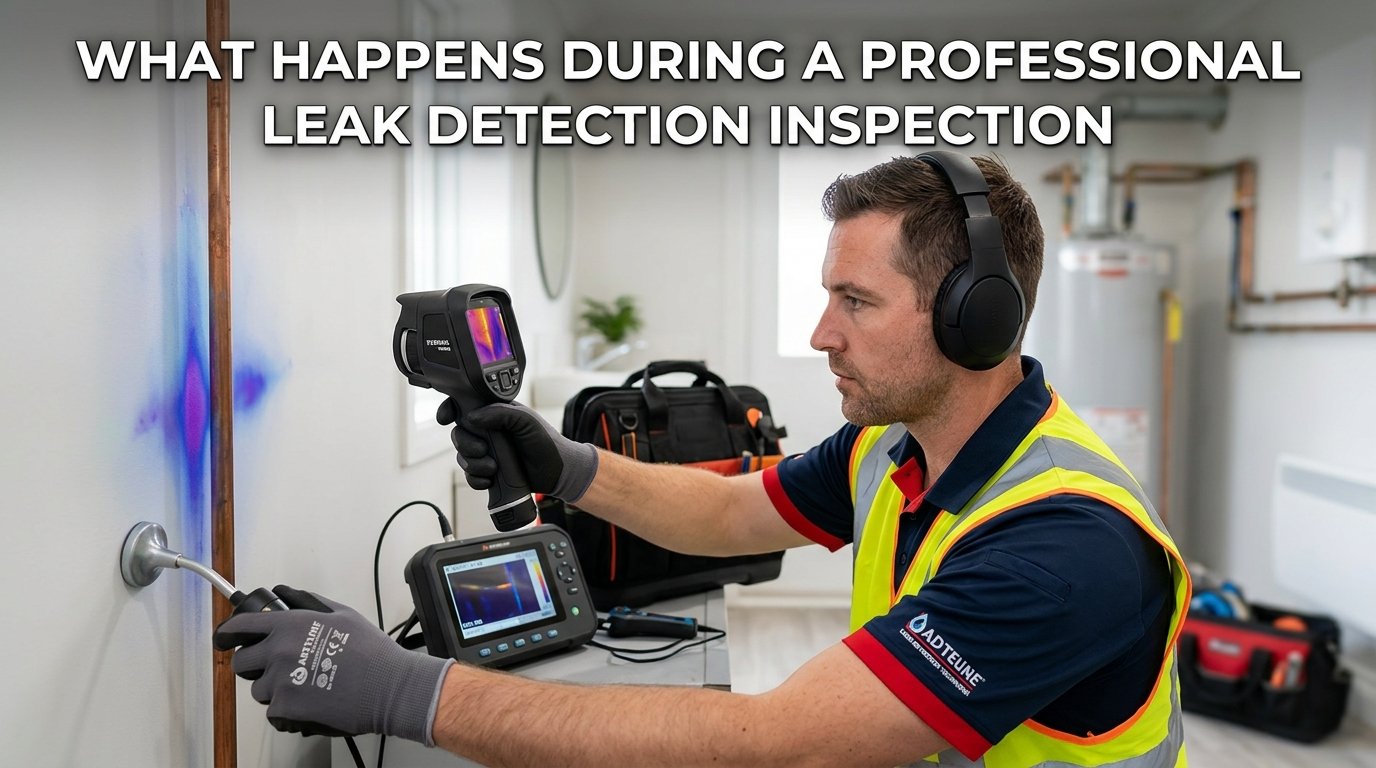
A professional leak detection inspection involves a systematic process where trained technicians use specialized tools like acoustic sensors, thermal imaging cameras, and pressure testing to accurately locate hidden water or gas leaks without damaging your property. This process helps identify the exact source of the problem quickly, preventing unnecessary demolition and reducing repair costs. Homeowners dealing with unexplained water bills or moisture issues should rely on professional leak detection services to ensure accurate diagnosis and safe, efficient repairs.
Table Of Content
- Initial Assessment and Problem Discussion
- Visual Inspection of the Property
- Pressure Testing the Plumbing System
- Acoustic Leak Detection Technology
- Thermal Imaging for Hidden Moisture
- Gas Leak Detection Methods
- Pinpointing the Exact Leak Location
- Providing a Detailed Report
- Repair Recommendations and Next Steps
- Why Professional Leak Detection Matters
- Final Thoughts
Leak detection inspections are designed to find problems that are often invisible to the naked eye. Unlike obvious leaks under a sink or a dripping faucet, hidden leaks can occur behind walls, under floors, or underground. These types of leaks can go unnoticed for weeks or even months, slowly causing damage to a home’s structure and increasing utility bills.
Understanding what happens during a professional inspection helps homeowners feel more confident about the process and the technology involved.
Initial Assessment and Problem Discussion
The first step in a leak detection inspection is a detailed discussion between the homeowner and the technician. This helps identify possible warning signs and narrow down the problem area.
Technicians typically ask about:
- Sudden increases in water or gas bills
- Visible signs of moisture or damage
- Unusual smells or sounds
- Appliance performance issues
- Areas of concern in the home
This information helps guide the inspection process more efficiently.
Visual Inspection of the Property
Before using advanced tools, professionals perform a thorough visual inspection. This step helps identify obvious signs of leaks or damage.
During this stage, they may check:
- Walls, ceilings, and flooring for stains or dampness
- Plumbing fixtures for visible drips or corrosion
- Outdoor areas for wet soil or plant damage
- Basements, crawl spaces, or utility rooms
Even small visual clues can help narrow down where the leak might be located.
Pressure Testing the Plumbing System
One of the most important steps in leak detection is pressure testing. This involves isolating sections of the plumbing system and measuring pressure levels to determine if there is a drop indicating a leak.
Pressure testing helps identify:
- Hidden pipe leaks
- Underground plumbing issues
- Weak or damaged pipe sections
- System-wide pressure inconsistencies
This method is highly effective for confirming whether a leak exists even when there are no visible signs.
Acoustic Leak Detection Technology
Professional technicians often use acoustic listening devices to detect leaks behind walls or underground. These devices pick up the sound of water or gas escaping from pipes.
This technology can detect:
- Hissing sounds from gas leaks
- Dripping water inside walls
- Underground pipe leakage
- Small leaks that are otherwise silent
By amplifying these sounds, technicians can pinpoint the exact location of the leak without digging or breaking walls.
Thermal Imaging for Hidden Moisture
Thermal imaging cameras are another advanced tool used during inspections. These cameras detect temperature differences in walls, floors, and ceilings caused by moisture or escaping gas.
Thermal imaging helps reveal:
- Cold spots from water leaks
- Moisture buildup behind surfaces
- Insulation damage caused by leaks
- Hidden plumbing pathways
This non-invasive method allows professionals to “see” what is happening inside walls without opening them.
Gas Leak Detection Methods
If a gas leak is suspected, technicians use specialized gas detection tools to identify even the smallest trace of gas in the air.
This process includes:
- Electronic gas detectors
- Soap bubble testing for visible leaks
- Pressure monitoring of gas lines
- Safety checks around appliances and connections
Gas detection is treated with extreme care due to the potential safety risks involved.
Pinpointing the Exact Leak Location
Once all data is collected, technicians analyze the results to determine the exact location of the leak. This step is critical because it ensures repairs are targeted and minimal disruption is needed.
Benefits include:
- Avoiding unnecessary wall or floor damage
- Faster repair process
- Lower restoration costs
- Accurate identification of multiple leak points
Precision is one of the biggest advantages of professional leak detection.
Providing a Detailed Report
After completing the inspection, the technician provides a detailed report explaining:
- The type of leak found (if any)
- Exact location of the issue
- Severity of the problem
- Recommended repair solutions
This helps homeowners understand the situation clearly and make informed decisions about repairs.
Repair Recommendations and Next Steps
In most cases, the technician will also recommend repair options based on the severity of the leak. These may include:
- Minor pipe repairs or sealing
- Sectional pipe replacement
- Appliance connection fixes
- Full system repairs in severe cases
The goal is always to resolve the issue efficiently while preventing future leaks.
Why Professional Leak Detection Matters
Leak detection is not just about finding water or gas—it’s about preventing long-term damage and protecting the home. Without professional tools, many leaks remain hidden until they cause serious problems.
Professional inspections help:
- Prevent structural damage
- Reduce water and energy waste
- Avoid expensive emergency repairs
- Improve home safety
- Detect issues early before they worsen
Final Thoughts
A professional leak detection inspection is a thorough, technology-driven process designed to identify hidden leaks quickly and accurately. From pressure testing and acoustic detection to thermal imaging and gas analysis, every step is focused on finding the source without causing unnecessary damage.
For homeowners noticing signs like rising utility bills, damp areas, or unusual smells, these advanced leak detection specialists provide reliable and non-invasive solutions that help protect homes, reduce costs, and ensure long-term safety.




No Comment! Be the first one.