Choosing a retail space begins with clarity about the investment’s intent. Some investors focus on rental income, while others look at long-term value appreciation. The purpose shapes decisions around location, tenant mix, and budget allocation. A space meant for steady rental returns may require a different approach compared to one aimed at resale after a few years. Without this clarity, it becomes difficult to evaluate options objectively.
Evaluating Tenant Mix and Demand
The performance of retail spaces depends on the businesses they host. An effective tenant mix includes anchor stores, convenience outlets, and speciality shops, encouraging repeat visits and steady activity. Ignoring these factors can lead to missed opportunities and lower tenant retention, ultimately affecting returns.
Investors should examine demand in that micro-market. If similar stores already exist in excess, it may lead to slower leasing or frequent tenant turnover. On the other hand, a gap in certain retail categories can create an opportunity for consistent rental income.
Connectivity and Accessibility
Accessibility plays a major role in the success of any retail investment. A space that is easy to reach by road and public transport tends to attract higher footfall. Parking availability is equally important, especially in urban areas where convenience often determines consumer choice. Strong demand from the right mix of tenants is crucial for the stability of rental income. The approach used by developers like the Migsun Group in planning tenant categories can serve as a reference point for investors considering similar segments.
Proximity to highways, metro stations, or major intersections enhances visibility and ensures easy customer access. Retail developments lacking clear access routes often struggle, even in busy areas.
Infrastructure and Design Quality
In addition to location, the design and infrastructure of a retail space influence customer experience. Features such as wide walkways, good ventilation, escalators, and clear signage create a positive shopping environment. Poor design can reduce visitor engagement and negatively affect tenant sales.
Investors should consider construction quality and maintenance standards. Well-maintained properties retain their appeal and support stable rental values, which is especially important for long-term returns.
Legal Clarity and Approvals
Before investing in retail property, it is essential to verify its legal approvals. Clear title, proper zoning, and regulatory compliance help prevent future complications. Incomplete documentation can cause delays or financial risk.
Review lease structures and agreements carefully. Understanding lock-in periods, escalation clauses, and maintenance responsibilities is key to estimating actual returns. A clear legal framework increases investor confidence and reduces uncertainty.
Rental Yield and Return Expectations
Retail investments are typically evaluated by rental yield, but it is important to consider more than initial returns. Occupancy rates, tenant stability, and maintenance costs all affect a retail space’s long-term net income.
Comparing similar projects in the vicinity gives a better sense of realistic expectations. In some cases, slightly lower initial returns may be balanced by stronger long-term appreciation.
Future Development and Growth Potential
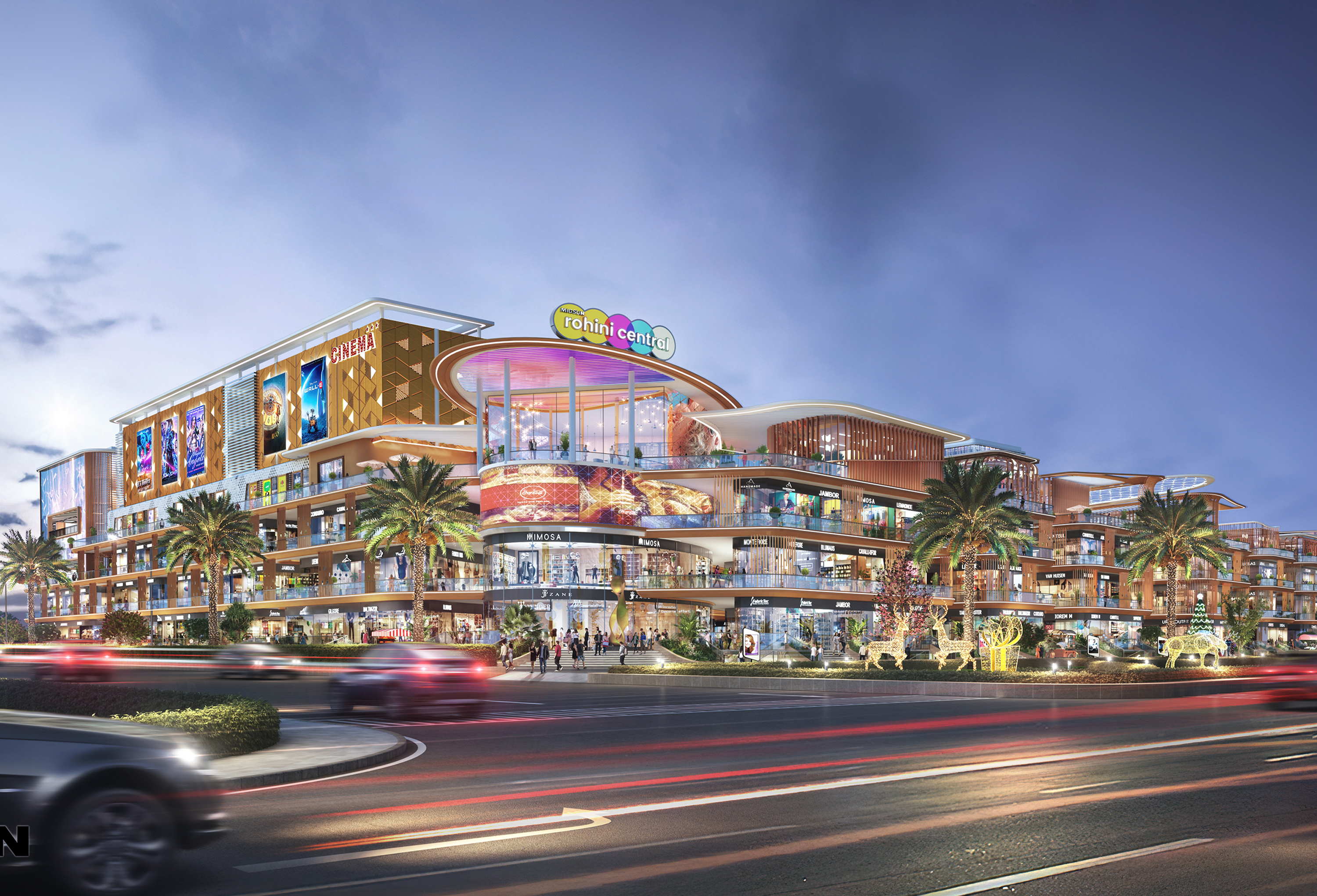
The future prospects of an area significantly influence the success of retail investment. Planned infrastructure, new residential projects, and commercial expansion can drive demand. For example, Migsun Rohini Central by Migsun Group is noted for its attention to location advantages and thoughtful design, such factors are often cited as enhancing a region’s investment potential. Investors who monitor upcoming local developments often gain a competitive edge.
Assessing how the neighbourhood has evolved in recent years is also important. Consistent growth trends suggest a stable environment for retail businesses, while areas with uncertain development plans may warrant a more cautious approach.
Risk Assessment and Market Trends
Retail markets are shaped by evolving consumer behaviour, including the growth of online shopping, changing brand preferences, and economic cycles. Investors should evaluate how adaptable a retail space is to these shifts.
Spaces that accommodate various business types tend to remain relevant longer. Flexible layouts and uses enable property owners to adapt to market changes without major structural changes. Keeping track of broader retail trends helps in making informed decisions.
Conclusion
Selecting a retail space requires more than choosing a property in a busy area. Careful evaluation of location, tenant demand, infrastructure, legal clarity, and growth potential is essential for a sustainable investment.
A thoughtful approach, backed by research and practical insights, can help investors avoid common pitfalls. Retail real estate offers opportunities, but success relies on understanding how these elements combine to create a viable, long-term asset.


Sign up