


What Is an Underfloor Heating Manifold and How Does It Work?
Underfloor heating is quickly becoming the preferred heating solution for modern homes and commercial spaces across the UK. It delivers consistent warmth, improves energy efficiency, and enhances...

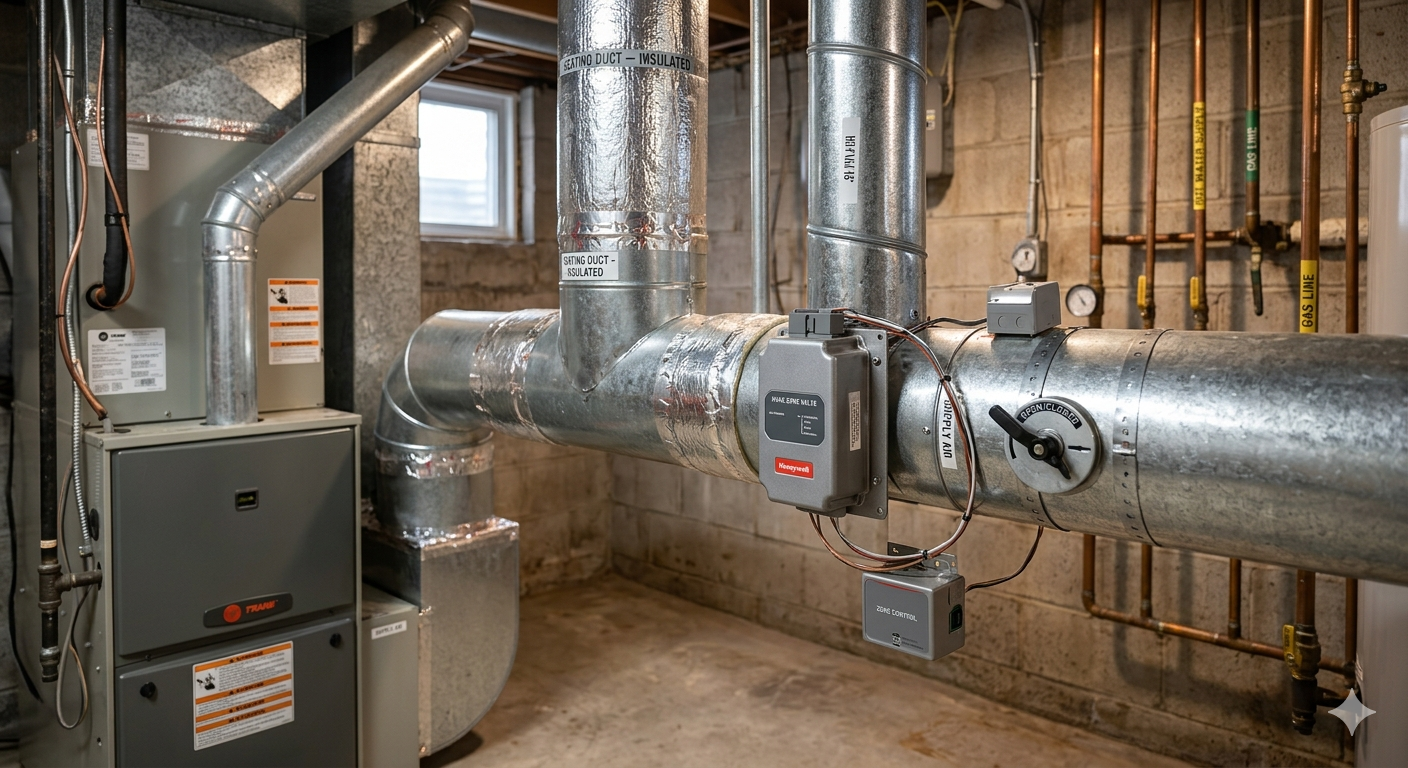
Underfloor heating is quickly becoming the preferred heating solution for modern homes and commercial spaces across the UK. It delivers consistent warmth, improves energy efficiency, and enhances comfort. However, many homeowners and even some contractors overlook one critical component that makes the entire system work seamlessly the underfloor heating manifold.
Table Of Content
- What Is an Underfloor Heating Manifold?
- Key Functions of a Manifold
- How Does an Underfloor Heating Manifold Work?
- Step by Step Working Process
- Why Mixing Is Important
- Key Components of an Underfloor Heating Manifold
- Main Parts Include
- Types of Underfloor Heating Manifolds
- 1. Standard Manifolds
- 2. Pre Assembled Manifolds
- 3. Custom Hydraulic Distributor Systems
- Benefits of Using an Underfloor Heating Manifold
- Improved Energy Efficiency
- Zoned Heating Control
- Compatibility with Modern Systems
- Long Term Reliability
- Enhanced Comfort
- Practical Tips for Choosing the Right Manifold
- Consider the Following
- Common Installation Mistakes to Avoid
- Avoid These Errors
- Real World Example
- Why UK Buyers Should Focus on Quality Manufacturers
- What to Look for in a Manufacturer
- Underfloor Heating Manifold vs Traditional Heating Systems
- Future Trends in Underfloor Heating Systems
- Emerging Trends
- Conclusion
- Call to Action
- FAQs
- 1. What does an underfloor heating manifold do?
- 2. Do I need a water mixing system with a manifold?
- 3. How many circuits can a manifold handle?
- 4. Can underfloor heating manifolds work with heat pumps?
- 5. How do I choose the right manifold supplier in the UK?
If you are planning a new heating installation or upgrading an existing system, understanding how a manifold works can help you make smarter purchasing decisions, avoid costly mistakes, and ensure long term performance. Whether you are a homeowner, HVAC contractor, plumber, or procurement manager, this guide will give you everything you need to know.
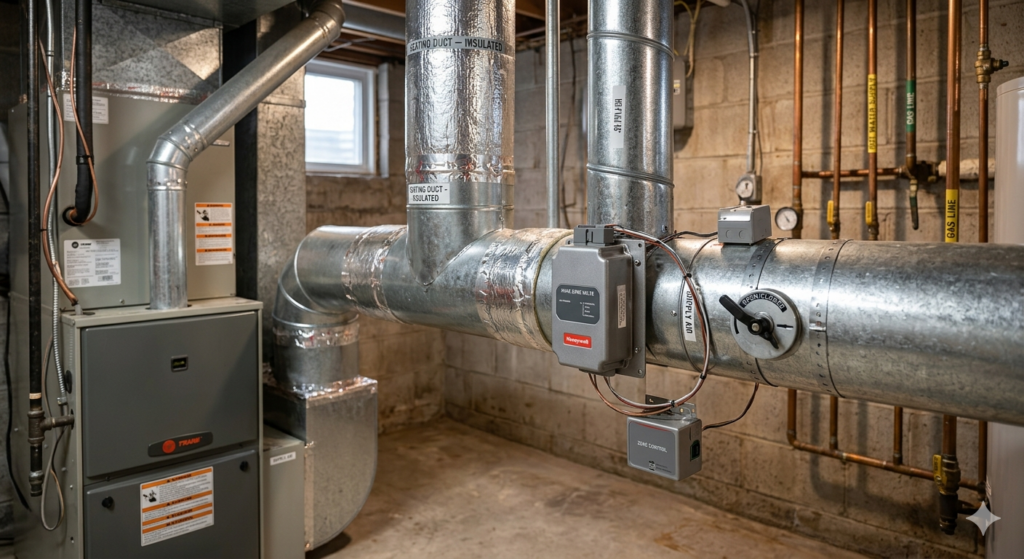
What Is an Underfloor Heating Manifold?
An underfloor heating manifold is the central control unit of a wet underfloor heating system. It acts as a hydraulic distributor, managing the flow of warm water from the heat source to different heating zones within a building.
Think of it as the brain of your heating system. It ensures that each room or zone receives the right amount of heated water at the correct pressure and temperature.
Key Functions of a Manifold
- Distributes hot water evenly across multiple circuits
- Regulates flow and pressure for consistent heating
- Controls individual room temperatures
- Balances the system for optimal performance
- Works alongside a water mixing system to maintain safe temperatures
Without a manifold, underfloor heating systems would lack control, efficiency, and reliability.
How Does an Underfloor Heating Manifold Work?
To understand how a manifold works, it helps to look at the overall system.
A typical underfloor heating setup includes a boiler or heat pump, pipes embedded in the floor, and a manifold that connects everything together.
Step by Step Working Process
- Heat Generation
The boiler or heat pump heats water to a high temperature. - Temperature Regulation
Before entering the floor pipes, the water passes through a water mixing system for underfloor heating. This reduces the temperature to a safe and efficient level. - Distribution via Manifold
The manifold distributes the tempered water into multiple loops or circuits under the floor. - Heat Transfer
Warm water flows through the pipes, heating the floor surface and radiating heat into the room. - Return Flow
Cooler water returns to the manifold, where it is recirculated or reheated.
Why Mixing Is Important
Underfloor heating systems require lower water temperatures than traditional radiators. This is where meter mix systems or system mix setups play a key role. They blend hot and cool water to achieve the ideal temperature.
Key Components of an Underfloor Heating Manifold
Understanding the components will help you choose the right system and identify quality products from reliable manifold manufacturers in the UK.
Main Parts Include
- Flow and Return Bars
These distribute and collect water from different circuits - Flow Meters
Allow precise control of water flow to each zone - Thermostatic Valves
Regulate temperature automatically - Air Vents
Remove trapped air for smooth operation - Drain Valves
Enable easy maintenance and system flushing - Circulation Pump
Ensures consistent water movement - Actuators
Control individual zones based on thermostat signals
Each component works together to deliver efficient and balanced heating across your property.
Types of Underfloor Heating Manifolds
Choosing the right manifold depends on your project requirements.
1. Standard Manifolds
Ideal for residential applications with basic heating needs.
2. Pre Assembled Manifolds
These come ready to install and include pumps, valves, and mixing units. They are popular among contractors for saving time on site.
3. Custom Hydraulic Distributor Systems
Used in commercial or industrial projects where complex zoning and higher capacity are required.
Benefits of Using an Underfloor Heating Manifold
Improved Energy Efficiency
Manifolds ensure precise water distribution, reducing energy waste and lowering heating bills.
Zoned Heating Control
Each room can be controlled independently, improving comfort and efficiency.
Compatibility with Modern Systems
Works seamlessly with air mixing system setups and renewable energy sources like heat pumps.
Long Term Reliability
High quality manifolds from trusted manufacturers provide durable and low maintenance performance.
Enhanced Comfort
Delivers consistent and evenly distributed heat across all areas.
Practical Tips for Choosing the Right Manifold
Selecting the right manifold is crucial for system performance and longevity.
Consider the Following
- Number of Zones
Choose a manifold that supports the required number of heating circuits - Material Quality
Stainless steel and brass manifolds offer better durability - Flow Control Features
Look for adjustable flow meters and thermostatic controls - Compatibility
Ensure it works with your boiler, heat pump, or water mixing system - Ease of Installation
Pre assembled units can save time and reduce installation errors
Common Installation Mistakes to Avoid
Even the best manifold will underperform if installed incorrectly.
Avoid These Errors
- Incorrect pipe connections
- Poor system balancing
- Ignoring air removal
- Using incompatible mixing systems
- Oversizing or undersizing the manifold
Professional installation by experienced HVAC contractors is always recommended.
Real World Example
A UK based property developer recently upgraded a multi unit residential building with underfloor heating. Initially, they faced uneven heating and high energy costs.
After switching to a high quality manifold with an integrated water mixing system, they achieved:
- 25 percent reduction in energy consumption
- Improved tenant comfort
- Reduced maintenance issues
This highlights the importance of choosing the right system and supplier.
Why UK Buyers Should Focus on Quality Manufacturers
The UK market offers a wide range of manifold suppliers, but not all products meet the same standards.
What to Look for in a Manufacturer
- Proven industry experience
- Compliance with UK and EU standards
- Strong product testing and quality control
- Availability of technical support
- Competitive pricing for bulk procurement
Reliable manufacturers ensure consistent performance across residential, commercial, and industrial applications.
Underfloor Heating Manifold vs Traditional Heating Systems
| Feature | Underfloor Heating Manifold | Traditional Radiators |
|---|---|---|
| Heat Distribution | Even and consistent | Uneven |
| Energy Efficiency | High | Moderate |
| Aesthetic Impact | Invisible | Visible radiators |
| Comfort Level | Superior | Standard |
This comparison clearly shows why underfloor heating systems are gaining popularity.
Future Trends in Underfloor Heating Systems
The industry is evolving with advanced technologies and smarter controls.
Emerging Trends
- Integration with smart home systems
- Advanced system mix controls for precision heating
- Increased use of renewable energy sources
- Improved hydraulic distributor designs for large scale projects
These innovations are making underfloor heating more efficient and accessible than ever.
Conclusion
An underfloor heating manifold is not just another component. It is the heart of your heating system that ensures efficiency, comfort, and reliability. From distributing water evenly to enabling zoned control, it plays a vital role in system performance.
Whether you are a homeowner upgrading your heating or a contractor managing large scale installations, investing in a high quality manifold is essential. Pairing it with the right water mixing system for underfloor heating and choosing a trusted manufacturer can significantly improve results.
Call to Action
If you are looking for reliable manifold solutions for residential, commercial, or industrial projects, partner with a trusted manufacturer that offers high quality products, advanced engineering, and competitive pricing. The right choice today will ensure long term efficiency and customer satisfaction.
FAQs
1. What does an underfloor heating manifold do?
It distributes heated water from the heat source to multiple floor circuits while controlling flow and temperature.
2. Do I need a water mixing system with a manifold?
Yes, a water mixing system ensures the water temperature is suitable for underfloor heating, preventing overheating and improving efficiency.
3. How many circuits can a manifold handle?
This depends on the model. Residential manifolds typically handle 2 to 12 circuits, while commercial systems can support more.
4. Can underfloor heating manifolds work with heat pumps?
Yes, they are highly compatible and often used with energy efficient systems like heat pumps.
5. How do I choose the right manifold supplier in the UK?
Look for manufacturers with strong quality standards, technical support, and experience in supplying manifolds for different applications.



No Comment! Be the first one.