




What Really Affects the Value of a Used Car in 2026
Learn what affects used car value in 2026 in Australia, including mileage, condition, demand, fuel type, and depreciation factors.

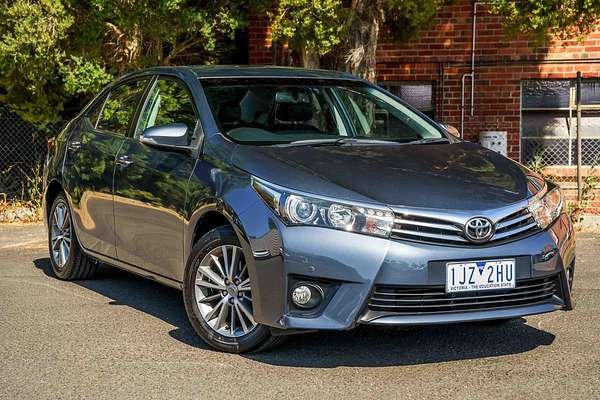
The value of a used car in 2026 depends on measurable factors such as age, mileage, condition, service history, accident records, fuel type, and market demand, and each factor directly changes how buyers and dealers in Australia calculate resale price in real time.
Top Content
Many car owners in Australia expect a simple price estimate, but the valuation process is structured and data-driven. Buyers and services across cities like Perth, Sydney, and Melbourne assess multiple conditions before making an offer. Understanding these factors helps you avoid low offers and make informed decisions when selling your car, which leads to the first major factor: age and depreciation.
Age And Depreciation Impact On Car Value
Car age is one of the strongest predictors of value because depreciation reduces resale price every year based on standard market patterns in Australia. A new car loses about 15% to 25% of its value in the first year and continues to decline by 10% to 15% annually afterward depending on brand and condition.
Depreciation in 2026 is influenced by rising vehicle technology updates, safety upgrades, and electric vehicle growth, which makes older models less competitive. For example, a 2018 sedan with standard features loses more value compared to a 2023 model with ADAS safety systems.
Older vehicles also face reduced demand in metro markets such as Perth, where emission standards and fuel efficiency expectations are increasing. In this context, services like Perth car removal become more relevant for older vehicles that no longer meet modern buyer expectations.
The table below shows average depreciation trends in Australia:
| Car Age | Average Value Retained | Key Impact Factor |
|---|---|---|
| 1 year | 75%–85% | High depreciation in first year |
| 3 years | 55%–65% | Warranty expiry impact |
| 5 years | 40%–50% | Technology outdated |
| 10+ years | 20%–30% | Mechanical wear and low demand |
Age sets the baseline for valuation, but mileage plays an equally important role in determining real market price, which leads to the next factor.
Mileage And Usage History
Mileage directly reflects how much wear a vehicle has experienced, and in Australia, the average annual driving distance is around 12,000 to 15,000 kilometres according to ABS transport data. Cars exceeding this range per year often lose value faster due to engine stress and maintenance needs.
For example, a 5-year-old car with 60,000 km is valued significantly higher than a similar model with 120,000 km because lower mileage suggests reduced mechanical wear and longer remaining lifespan.
High-mileage cars often face reduced buyer interest because replacement costs for components such as timing belts, suspension systems, and brakes increase over time. This makes mileage a critical factor when calculating resale value in 2026.
However, mileage alone does not decide value. A well-maintained high-mileage vehicle can still outperform a low-mileage neglected car, which leads to the importance of condition and service records.
Vehicle Condition And Service History
Car condition refers to mechanical performance, exterior appearance, interior quality, and maintenance records, and it is one of the most influential pricing factors in the Australian used car market.
A complete service history from authorised mechanics increases buyer confidence because it confirms regular maintenance such as oil changes, brake checks, and tyre replacements. Cars without service records often lose 10% to 25% of potential value.
Common condition factors include:
- Engine performance (smooth vs noisy operation)
- Transmission health (automatic shifting quality)
- Exterior damage (scratches, dents, rust)
- Interior condition (seat wear, dashboard damage)
- Tyre quality (tread depth and brand)
A car with minor cosmetic damage but strong mechanical condition still holds reasonable value, while engine issues significantly reduce resale price regardless of appearance.
At this stage, many owners choose fast selling options instead of private listings. Companies like Mr cash for cars provide structured valuation based on condition, mileage, and demand trends. The advantage is that they assess vehicles in real-time market conditions and offer instant purchase options, especially for cars that are older, damaged, or no longer roadworthy. This approach helps owners avoid long selling delays while still receiving fair market-based pricing in competitive Australian cities.
Condition analysis naturally connects to how market demand influences final pricing, which is the next key factor.
Market Demand And Location Trends
Market demand determines how quickly and at what price a used car sells, and it varies significantly across Australian regions based on fuel prices, lifestyle needs, and vehicle popularity trends in 2026.
For example, SUVs and dual-cab utes remain highly in demand in regional Australia due to off-road use and utility needs, while compact hatchbacks perform better in urban areas due to fuel efficiency and parking convenience.
Demand factors include:
- Fuel price fluctuations in Australia
- Electric vehicle adoption rates
- Urban vs regional usage needs
- Seasonal demand shifts (e.g., 4WD demand in holiday seasons)
Cars with high demand categories sell faster and retain higher resale value, while low-demand models stay longer in the market and often require price reductions.
In cities like Perth, demand patterns also influence buying behaviour, where services such as Car Buyer Perth play a role in adjusting pricing based on real-time supply and demand conditions. This ensures that sellers receive offers aligned with current market expectations rather than outdated price estimates.
Market demand continues to shift with technology changes, especially as fuel type becomes a major valuation factor, which leads to the next section.
Fuel Type And Efficiency Impact
Fuel type directly affects resale value in 2026 because Australian buyers increasingly consider fuel efficiency, running costs, and environmental impact before purchasing a used vehicle.
Petrol cars remain common, but diesel vehicles hold stronger value in commercial and towing segments. Hybrid and electric vehicles are gaining market share due to lower running costs and government incentives in several Australian states.
Key fuel-related value factors include:
- Fuel consumption (litres per 100 km)
- Maintenance cost differences between petrol and diesel
- Battery condition in hybrid and EV models
- Resale demand for eco-friendly vehicles
For example, a hybrid sedan often retains higher value than a petrol-only version of the same model due to lower long-term fuel expenses.
Fuel efficiency also influences long-term ownership costs, which directly affects buyer willingness to pay higher prices. As fuel prices fluctuate across Australia, efficient vehicles consistently maintain stronger resale demand.
The next major factor affecting value is accident history, which can significantly reduce resale price even if the car is repaired.
Accident History And Insurance Records
Accident history impacts used car value because structural damage reduces safety perception and long-term reliability in the Australian market.
Vehicles that have been in major accidents or declared write-offs often lose 30% to 60% of their market value depending on severity and repair quality. Even minor accidents can affect resale price if frame alignment or airbags were involved.
Insurance records play an important role because buyers verify claim history before purchase. A clean record increases trust and improves negotiation position.
Common accident-related value impacts include:
- Structural damage (major value reduction)
- Airbag deployment (high depreciation factor)
- Panel repairs (moderate value reduction)
- Flood or fire damage (severe devaluation)
Cars with verified accident-free history consistently achieve higher resale prices because they are considered safer and more reliable for long-term use.
Conclusion
Used car value in 2026 in Australia depends on a combination of age, mileage, condition, service history, market demand, fuel efficiency, and accident records, and each factor contributes differently to final pricing. Understanding these elements helps owners make informed selling decisions and avoid undervaluation in the market.
Explore more topics in our blog section.