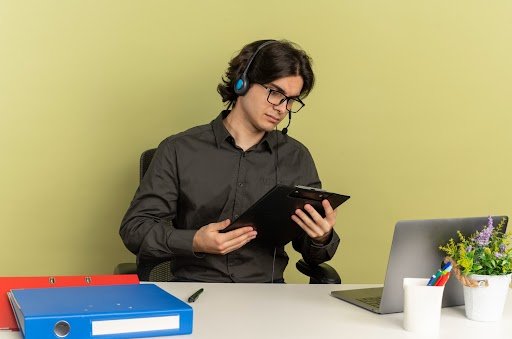
While the role of Medical Assistant (MA) is often considered an excellent entry point into the healthcare industry, there are also limitations as to what a certified MA can and cannot do.
Now, it is true that MAs mostly deal with the administrative side of a physician’s office, which can easily be carried out virtually; however, there are certain aspects they cannot perform , which is why most aspiring MAs are confused as to the limitations of their remote practice.
Not to worry, this guide will break down the scope of practice for virtual medical assistants to help you prepare for a successful career.
Understanding the Foundation: Education/Training
Before diving into the “dos and don’ts,” it is important to understand how one enters the field.
Previously, you could enter the office via the administration route and get on-site training, but this is no longer the case. Now, most employers prefer (and even demand) candidates who have completed a formal program. This is the reason why it is highly recommended that you choose online schools for medical assistant training, as they provide flexibility and in-demand skills.
Programs like the CCI Training Center Online School Medical Assistant Program provide the necessary technical knowledge and clinical theory required to sit for national certification exams.
What You CAN Do (Virtually): The Scope of Practice
Administrative Duties
To no one’s surprise, administrative tasks are the backbone of any clinic. Your “Can-Do” list includes:
- Patient Scheduling: Managing the provider’s calendar and coordinating follow-up appointments.
- Maintaining Records: Updating Electronic Health Records (EHR) with patient history and personal information.
- Insurance Verification: Calling insurance companies to confirm coverage before procedures.
- Portal Management: Monitoring secure messaging portals and answering non-clinical questions.
- Follow-Up Care: Calling patients to ensure they have picked up their prescriptions or to remind them of upcoming lab work.
What You CANNOT Do as a Virtual MA
Understandably, you cannot carry out any clinical duties as a virtual assistant. However, there are a couple of more duties that are off-limits for you, including:
- Conducting Triage or Clinical Assessment: When a patient calls or messages with a symptom, a VMA cannot determine the severity of the issue (cannot say it looks bad or the patient needs to get it checked right away).
- Giving Medical Advice: Under no circumstances can a VMA give medical advice. For instance, let’s say a patient calls and asks if they should take aspirin for their pain (a genuine patient call)cern), you, as an MA, cannot say Yes or No. Only appropriate response here would be “I will check with the doctor and get back to you immediately.”
- Handling Emergency Situations: If a patient experiences a medical emergency, such as difficulty breathing or falls during a telehealth check-in (process before online check-up with a doctor), a VMA cannot provide medical guidance; instead, a VMA stays on the line while a colleague calls 911 to the patient’s location.
How to Be a Medical Virtual Assistant: Skills for Success
Now, to address the question of how to be a medical virtual assistant. Well, if the remote life appeals to you, the path requires a specific set of skills that differ slightly from a traditional MA:
- Tech Savviness: You must be proficient in various EHR systems (like Epic or Athena), communication tools (Slack, Zoom, Microsoft Teams), and VOIP phone systems.
- HIPAA Mastery: Since you are handling sensitive data over the internet, your understanding of cybersecurity and privacy laws must be impeccable.
- Self-Motivation: Working from home requires a high level of discipline to maintain a professional environment and protect patient privacy.
Final Words
Well, now you have a clear understanding of what a medical assistant can and cannot do virtually. It is also important that you understand that being a medical assistant is about more than just checking boxes; it’s about providing compassionate care and ensuring the clinic runs smoothly while physically not being present at the location.


Leave a Comment