


What You Should Know About Roofing Commercial Buildings
If you own a shop, office, warehouse, or any kind of business building, the roof above it plays a bigger role than most people think. Many owners don’t really notice their roof until there’s a leak...

If you own a shop, office, warehouse, or any kind of business building, the roof above it plays a bigger role than most people think. Many owners don’t really notice their roof until there’s a leak or visible damage. By that time, the repair cost can already be high.
Table Of Content
- So, What Makes Commercial Roofing Different?
- Why a Good Roof Really Matters
- Common Types of Commercial Roofs
- Flat Roofs
- Low-Slope Roofs
- Metal Roofs
- Built-Up Roofs
- Materials Used in Commercial Roofing
- TPO
- EPDM
- PVC
- Modified Bitumen
- Problems You Might Face
- Simple Maintenance Tips
- Choosing the Right Contractor
- When Is It Time to Replace the Roof?
- Final Thoughts
That’s why it helps to understand the basics of roofing commercial buildings. A little knowledge can go a long way in saving money and avoiding stress later.
So, What Makes Commercial Roofing Different?
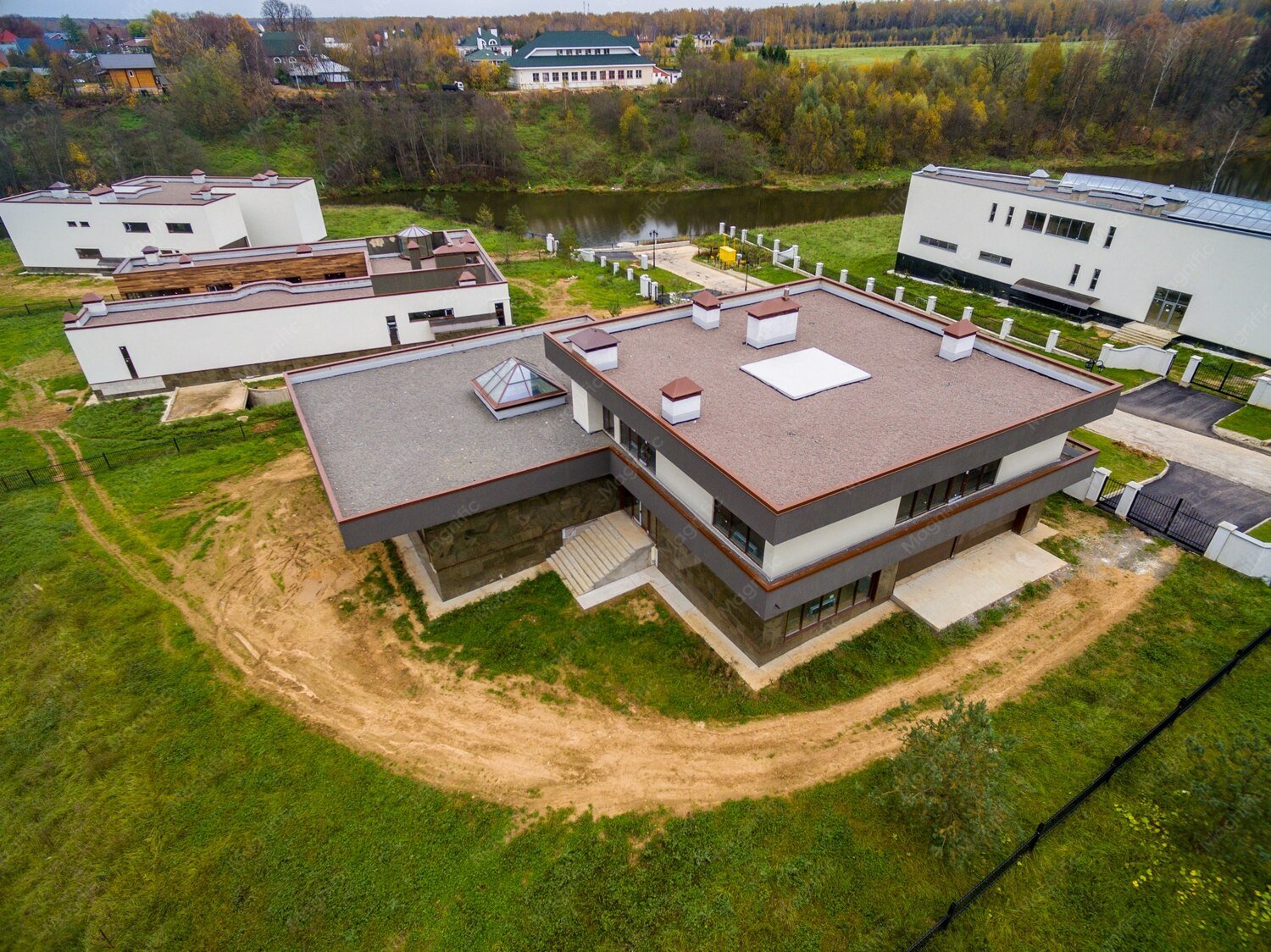
Commercial roofs are quite different from residential ones. Houses usually have steep, sloped roofs, while most business buildings use flat or slightly sloped roofs.
There’s a simple reason for that. Commercial buildings often cover large areas, and flat roofs are easier to build over wide spaces. They also allow room for equipment like air conditioners, vents, and solar panels.
But because they are flat, they need proper design and care to handle water and weather.
Why a Good Roof Really Matters
You may not think about your roof every day, but it quietly does an important job.
First, it protects everything inside. From expensive equipment to office furniture, everything depends on a solid roof. Even a small leak can lead to big problems like water damage or mold.
Second, it helps control the indoor temperature. A good roofing system can keep heat out during summer and trap warmth in winter. Over time, this can reduce energy bills.
Common Types of Commercial Roofs
There isn’t just one type of roof used for commercial buildings. The right choice depends on the building and budget.
Flat Roofs
Flat roofs are the most common. They are simple in design and usually cost less to install. However, they need a proper drainage system to prevent water buildup.
Low-Slope Roofs
These roofs are not completely flat. They have a slight angle that helps water flow off more easily.
Metal Roofs
Metal roofing systems are strong materials. This quality helps it endure the rigors of weather conditions like heavy rain or wind for a sustained period.
Built-Up Roofs
These are made using several layers of materials. The layers add extra protection and durability, which is helpful for larger buildings.
Materials Used in Commercial Roofing
When it comes to roofing commercial buildings, choosing the right material is very important. Each material has its own advantages.
TPO
TPO is widely used today. It reflects sunlight, which helps keep buildings cooler, especially during hot summers.
EPDM
This is a rubber-based material. It is flexible and can handle both hot and cold weather without cracking easily.
PVC
PVC roofing is strong and resistant to chemicals. That’s why it’s often used in places like restaurants or industrial buildings.
Modified Bitumen
This material is made from asphalt and is designed to handle wear and tear. It works well in areas with changing weather.
Problems You Might Face
Even a well-built roof can develop problems over time. It’s normal, but catching issues early makes a big difference.
One common problem is water pooling. Since the roof is flat, water may collect in certain areas if drainage is not perfect.
Leaks are another issue. They may start small and go unnoticed for a while, but they can grow into bigger problems.
Cracks can form due to temperature changes. Over time, the material expands and shrinks, which weakens the surface.
Simple Maintenance Tips
The good news is that maintaining a commercial roof is not too difficult if done regularly.
Try to inspect your roof at least twice a year. You don’t need to be an expert—just look for visible signs like cracks, standing water, or damage.
Keep the surface clean. Leaves, dirt, and debris can block drainage systems and cause water buildup.
If you notice something unusual, don’t ignore it. Small repairs are always easier and cheaper than major fixes.
It’s also a smart idea to schedule a professional inspection once in a while. Experts can spot hidden problems that are easy to miss.
Choosing the Right Contractor
Hiring the right contractor is just as important as choosing the right material.
Not every roofer has experience with commercial projects. So, take your time before making a decision.
Ask about their past work and check if they have handled similar buildings. Make sure they are licensed and insured.
Reading reviews or asking for references can also help. A reliable contractor will be open to answering your questions.
When Is It Time to Replace the Roof?
Repairs can fix many issues, but sometimes a full replacement is the better option.
- If your roof keeps leaking again and again, it might be time to replace it.
- If the material is very old or worn out, repairs may not last long.
Yes, replacement can seem expensive at first. But in many cases, it saves money in the long run by avoiding repeated repairs.
Final Thoughts
A commercial roof is more than just a covering—it’s a key part of your building. It protects your business, your employees, and your investment.
Understanding the basics of roofing commercial buildings can help you make smarter decisions and avoid unnecessary problems.
If you ever feel unsure about your roof, it’s always better to consult professionals. They at Roof Side Pro can guide you through the process and help you find the right solution for your building.



No Comment! Be the first one.