



Where Can Spray Foam Insulation Be Used in a House?
A home has many areas where insulation is needed to improve comfort and energy control. From roofs to lower spaces,

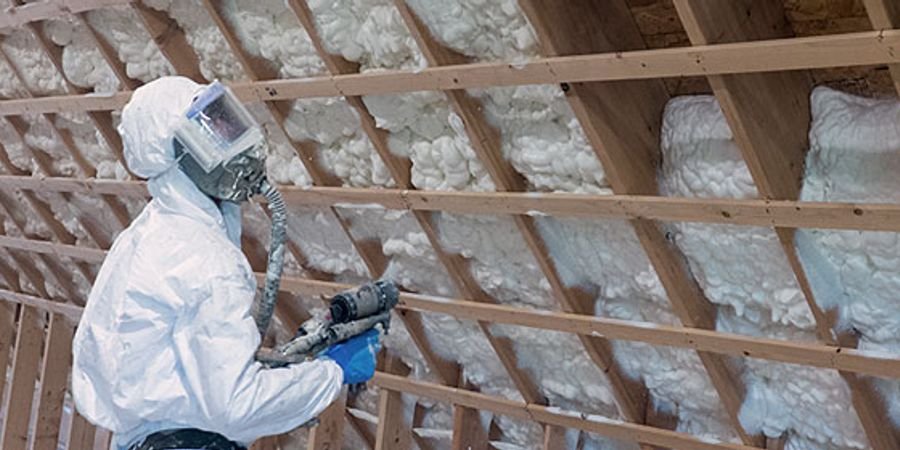
Insulation helps control indoor temperature and reduce energy loss in a home. It also limits unwanted air movement through small gaps. One widely used service material is spray foam, which expands after application and seals gaps in various parts of a house. It is used in both new construction and repair work to improve comfort and efficiency.
Table Of Content
Attic Insulation
The attic is one of the main areas where heat enters and escapes. Adding insulation here helps slow down temperature changes inside the home. It reduces strain on the heating and cooling systems by limiting heat transfer through the roof. This space plays a key role in maintaining steady indoor comfort throughout the year.
Wall Cavities (Interior and Exterior)
Wall cavities often contain empty spaces that allow air movement between indoor and outdoor areas. Filling these spaces helps improve temperature balance in rooms. It also reduces noise transfer and helps keep indoor air more stable. This application provides greater comfort in both hot and cold weather.
Basements and Crawl Spaces
Basements and crawl spaces are prone to damp air and cold drafts. Sealing these areas helps reduce moisture buildup and unwanted airflow. It also protects the house’s lower structure from temperature fluctuations. This leads to improved indoor air quality and more stable living conditions in the spaces above.
Roof Undersides and Ceiling Areas
Roof undersides absorb heat directly from sunlight, which can raise indoor temperatures. Insulating this area helps reduce heat flow into living spaces. Ceiling insulation also helps keep rooms cooler in summer and warmer in winter. This improves overall temperature control inside the house without extra energy use.
Windows, Doors, and Small Gaps
Small openings around windows and doors often cause air leaks. Addressing these gaps improves comfort and reduces energy waste.
- Sealing: Fills cracks around frames and edges to block air entry
- Comfort: Reduces drafts that make rooms feel uneven in temperature
- Dust Control: Helps limit outdoor dust entering the home
- Efficiency: Supports heating and cooling systems by reducing air loss
These steps help maintain a more stable indoor environment with less energy effort.
Pipes, Ducts, and HVAC Areas
Pipes and air ducts can lose energy when exposed to unsealed spaces. Insulating around these systems helps reduce heat or cooling loss during transport. It also improves the performance of HVAC systems by keeping airflow more controlled. This leads to better energy use across the home.
Garages and Utility Spaces
Garages and utility areas are often less insulated than main living spaces. Improving these areas helps reduce temperature extremes that can affect nearby rooms.
- Temperature Control: Helps stabilize heat and cold in attached garages
- Energy Transfer: Reduces heat movement into living spaces
- Usability: Makes storage and utility use more comfortable year-round
- Comfort: Limits harsh outdoor air impact on connected areas
These improvements make these spaces more functional and balanced.
Conclusion
A home has many areas where insulation is needed to improve comfort and energy control. From roofs to lower spaces, different zones require attention to reduce air leaks and temperature shifts. Using spray foam in key areas of the house helps seal gaps and improve overall efficiency, making indoor living more stable and comfortable year-round.





No Comment! Be the first one.