


Why Are Businesses Rethinking Eco-Friendly Shipping Materials?
Packaging used to be something customers barely noticed. As long as the parcel arrived, nobody thought much about the box, the paper or the wrapping inside. That is not the case anymore. Now people...

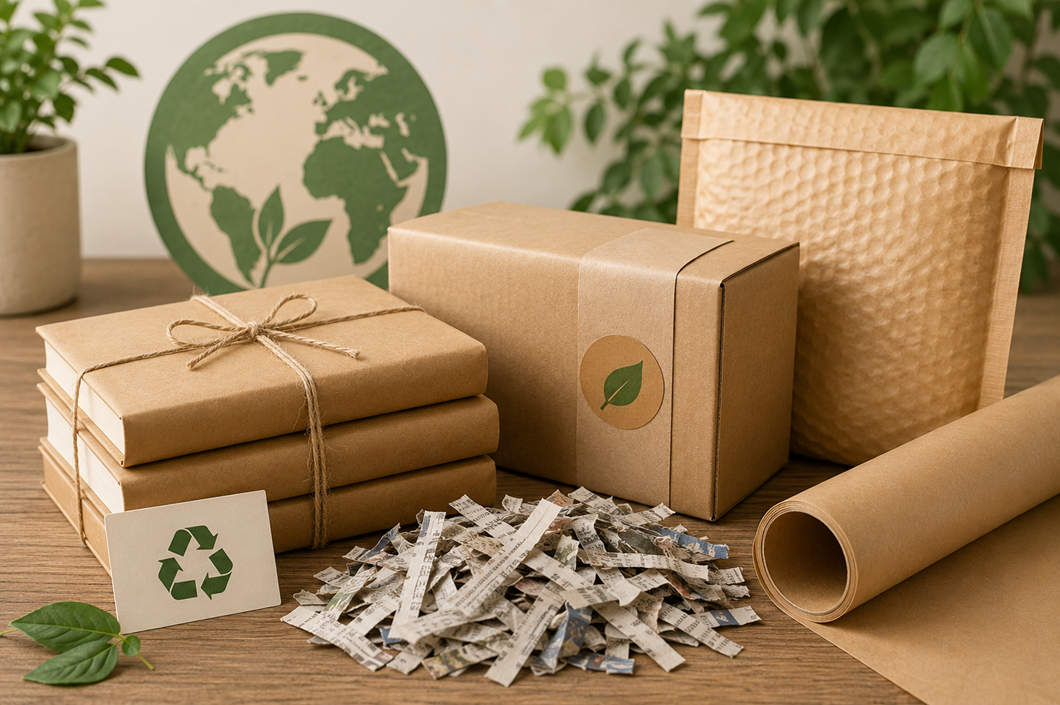
Packaging used to be something customers barely noticed. As long as the parcel arrived, nobody thought much about the box, the paper or the wrapping inside. That is not the case anymore.
Table Of Content
- Why Are Smaller Packaging Choices Becoming Smarter?
- Which Materials Are Businesses Choosing More Often?
- Corrugated Postal Cartons
- Honeycomb Paper Wrap
- Kraft Void Fill
- Why Are Traditional Wrapping Materials Still Useful?
- Are Recycled Materials Becoming More Common Inside Warehouses?
- Recycled Cardboard Inserts
- Paper Mailing Bags
- Why Does Packaging Matter More Than Businesses Expect?
- Conclusion
Now people pay attention to everything. They notice when a parcel is packed neatly. They notice when too much plastic is used for one small item. They even notice whether the packaging feels thoughtful or rushed. For many online businesses, shipping materials have quietly become part of the customer experience.
This is one reason companies are changing the way they pack products. The goal is no longer to protect the item. Businesses now want packaging that feels practical, is easier to dispose of, and is less wasteful, without compromising safety during delivery.
Why Are Smaller Packaging Choices Becoming Smarter?
A few years ago, oversized boxes were everywhere. Small products arrived in cartons large enough for three more items. Warehouses packed space with layers of filler because it seemed easier than finding properly sized packaging.
That approach created unnecessary problems. Larger parcels increased shipping costs, took up more storage space and often left customers frustrated while unpacking. Businesses eventually realised that better packaging design could solve several problems at once.
This is why compact postal cartons and lighter protective materials are becoming more common across e-commerce businesses. Smaller packaging keeps products more stable during delivery while reducing unnecessary waste.
Fashion retailers, gift companies and independent online shops especially prefer packaging that looks organised rather than excessive.
Which Materials Are Businesses Choosing More Often?
Businesses are now combining lighter materials with smarter internal protection instead of relying on bulky packaging alone.
Corrugated Postal Cartons
Postal cartons remain one of the most practical choices for modern deliveries. They are sturdy, easy to stack and available in sizes that reduce space inside parcels.
When products fit properly inside the carton, there is less movement during transport and far less risk of damage.
Honeycomb Paper Wrap
Honeycomb paper cushioning has become popular for fragile products because it protects items without making parcels feel overloaded with plastic.
Candles, ceramics and skincare products are often wrapped with layered paper cushioning before being packed into cartons. Many retailers prefer this approach because parcels look cleaner and more organised when customers open them.
Kraft Void Fill
Kraft paper fillers are now widely used to stop products from shifting around during delivery. Unlike loose plastic fillers that scatter everywhere during unboxing, paper fillers feel tidier and easier to recycle.
Packing teams also find it easier to work with them during busy dispatch periods.
Why Are Traditional Wrapping Materials Still Useful?
Some older packaging materials continue to work well because they are simple, reliable, and adaptable across industries.
Retailers that send books and printed products still rely heavily on book wraps because they protect the corners without adding excessive weight. Flat packaging also helps products remain stable throughout delivery.
Many businesses continue using brown parcel paper, too. It adds an extra protective layer to products while giving parcels a cleaner, more natural appearance. Kraft paper is especially useful for wrapping boxed items or adding surface protection before sealing cartons.
Smaller protective mailers are still important for lightweight deliveries. Many online sellers choose bubble mailers for jewellery, stationery, cosmetics and accessories because they offer cushioning without needing a large box.
Compact packaging also helps reduce delivery costs for smaller items.
Are Recycled Materials Becoming More Common Inside Warehouses?
Yes, and not just because of sustainability trends. Businesses are using recycled materials because they are practical. Many fulfilment centres now reuse paper-based materials for lightweight cushioning instead of relying entirely on newly manufactured fillers.
Some packing teams use newspaper offcuts inside parcels to fill small gaps around products. This works especially well for lighter items where gentle cushioning is enough to stop movement during transit. Some of the recyclable packaging materials are discussed below.
Recycled Cardboard Inserts
Cardboard dividers are commonly used for glass bottles, candles, and jars when products need to be separated within the same carton.
They also help parcels feel more organised during unboxing.
Paper Mailing Bags
Paper mailing bags are becoming increasingly common for clothing deliveries because they feel lighter and less bulky than cartons. Customers also find them easier to fold and recycle after opening.
Why Does Packaging Matter More Than Businesses Expect?
Most customers never send messages praising good packaging. But poor packaging gets noticed immediately.
A badly packed parcel creates frustration before the product is even seen. Crushed corners, unnecessary plastic and loose wrapping make deliveries feel careless.
Good packaging does the opposite quietly. It keeps products safe, makes parcels easier to open and gives customers confidence that the business paid attention to small details.
That matters more now because online shopping has made packaging part of the buying experience itself.
Conclusion
Businesses are rethinking eco-friendly shipping materials because customers expect packaging that feels smarter, cleaner and less wasteful than before.
From parcel wrap and compact cartons to paper cushioning and recyclable fillers, modern packaging is becoming more practical without sacrificing protection.
The businesses adapting quickest are usually the ones creating deliveries that feel safer, neater and more thoughtful from the moment the parcel arrives.






No Comment! Be the first one.