



Why Clothing Embroidery Beats Print When You Want a Professional Finish
In a lot of workplaces, clothing does more than “look nice.” It sets the tone. People notice the finish quickly, sometimes before they even start listening to what you say. Print can look sharp at...

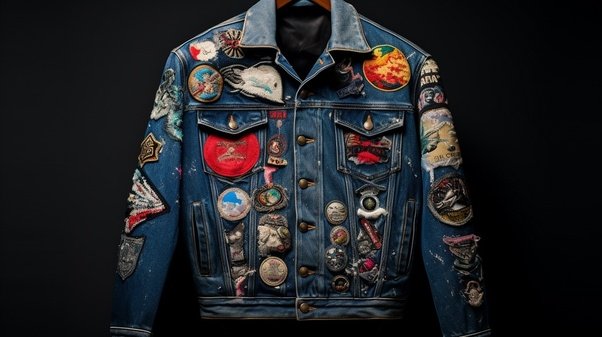
In a lot of workplaces, clothing does more than “look nice.” It sets the tone. People notice the finish quickly, sometimes before they even start listening to what you say. Print can look sharp at first, but over time it may fade, crack, or lose its clean edge, especially with regular washing and daily wear. With clothing embroidery, the design is stitched into the fabric instead of sitting on top of it, so it often stays clearer for longer. That stitched texture also gives a sense of consistency and care, which matters in client-facing roles. If you want apparel that keeps looking put-together after real use, embroidery usually feels like the more dependable option. In this article, we discuss why stitching often delivers a more professional finish than print.
A raised finish communicates quality fast
A stitched design adds depth, and that detail makes a difference in how people read your brand. It looks more intentional in person, and it tends to show up better in photos, too, especially under indoor lighting. Shirt embroidery works particularly well on chest placements because it feels classic and professional without looking flashy. For example, a small stitched logo on a dark polo can stay crisp and easy to read even after regular wear. Another example is an event button-up, where the stitching still looks defined instead of blending into the fabric after multiple uses.
Performance under wear is where the difference shows
The real comparison happens after weeks of use, not right after production. Team clothing goes through friction, heat, repeated washing, and constant movement. Stitched details usually hold their shape better because there is no surface layer to peel or weaken. Embroidered jackets show this clearly, since outerwear deals with zippers, weather shifts, and frequent handling. Think of daily-use jackets for field or operations teams where the logo still looks clean by the end of the season. Or even outerwear that continues to photograph well even after being used again and again.
A clean design often beats a loud one
Professional branding often looks best when it stays controlled and balanced. The right size, the right placement, and a readable mark can look stronger than oversized graphics. Custom clothing embroidery fits that style because it can deliver a neat finish with subtle personalization when needed. One practical approach is sticking to one or two thread tones so the design stays sharp across different fabric colors. Another is choosing a layout that holds up from a few steps away, which matters in busy settings like showrooms, front desks, and team photos.
The better decision is usually the less rushed one
Many teams pick a method based on speed, then only later notice issues with durability or the overall look. A better approach is matching the finish to how the garments will be used, how frequently they will be washed, and what impression they should leave. When you plan with wear and cares in mind, results tend to stay consistent longer, and the overall presentation feels more reliable in real settings.
Conclusion
Embroidery tends to deliver a cleaner, more stable look over time. It usually stays readable after repeated washing, handles day-to-day wear better, and gives clothing a more polished finish without needing heavy design.
For teams that want that professional result without making the ordering process complicated, Broderie Montreal offers clear guidance, practical support, and service built around reliable outcomes. They help with planning details like placement, so the final look feels intentional and well finished.
Frequently Asked Questions
Question: How do I decide the best placement for a logo?
Answer: Start with how the garment will be worn and where people will see it most. Chest placement works well for staff apparel because it stays readable in most situations. For outerwear, consider seams and zippers. A quick paper mock-up helps confirm sizing.
Question: What file format helps achieve a clean result?
Answer: A clear, high-resolution file always helps. Vector formats are ideal when available, but clean PNG files can work too, depending on the design. If edges look fuzzy on screen, the stitched result may lose sharpness, so sending the cleanest version matters.
Question: How do I maintain the garment so it stays presentable longer?
Answer: Wash items inside out with cool water when possible and avoid high-heat drying. Treat marks gently during cleaning instead of scrubbing hard. For jackets, hanging storage helps keep fabric smooth, which supports a cleaner look through repeat use.





No Comment! Be the first one.