


Why Land Reclamation Matters for Future Development Today
Future development faces a fundamental resource constraint. Available land for development is finite and increasingly scarce globally. Growing populations and expanding economies require ever more...

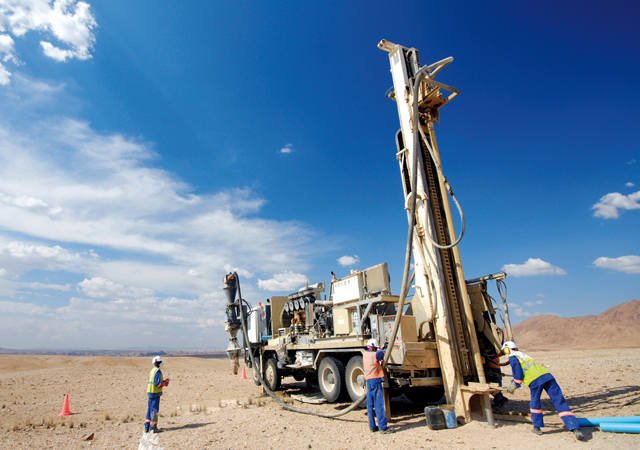
Future development faces a fundamental resource constraint. Available land for development is finite and increasingly scarce globally. Growing populations and expanding economies require ever more land for productive use. Reclaiming degraded, contaminated, and underutilized land offers a critical solution. This article explains why land reclamation is essential for sustainable future development.
Table Of Content
- The Global Land Scarcity Challenge
- The True Cost of Greenfield Development
- Climate Change and the Urgency of Land Reclamation
- Carbon Markets Creating Financial Incentives for Reclamation
- Reclamation as a Foundation for Sustainable Industrial Development
- Oil and Gas Sector Reclamation Obligations
- Urban Regeneration Through Brownfield Reclamation
- Contaminated Land and Public Health Protection
- Agricultural Land Reclamation for Food Security
- Water Resource Protection Through Agricultural Reclamation
- Technology and Innovation Driving Reclamation Forward
- Building a Future Worth Inheriting Through Reclamation
The Global Land Scarcity Challenge
Population growth continues to drive expanding demand for developable land. By 2050, global population is projected to reach nearly 10 billion people. Feeding, housing, and employing this population requires enormous land resources. Agricultural land conversion to urban uses reduces food production capacity globally. Finding additional land for development without further ecosystem destruction is imperative.
Simultaneously, decades of industrial activity have degraded vast land areas. Mining, manufacturing, and petroleum extraction have disturbed hundreds of millions of hectares. Contaminated brownfield sites in cities represent unutilized development potential. Saline and eroded agricultural soils have reduced productive capacity globally. Reclaiming these degraded lands addresses scarcity without consuming intact ecosystems.
The True Cost of Greenfield Development
Greenfield development consumes intact natural ecosystems that provide essential services. Wetlands destroyed by development lose their capacity to filter water and store carbon. Native grasslands converted to agriculture eliminate biodiversity that supports ecological health. Forests cleared for development release stored carbon and reduce watershed protection. The ecological costs of greenfield development are enormous and often irreversible.
Infrastructure costs for greenfield development burden municipal governments heavily. Extending roads, water, sewer, and electrical systems to remote greenfield sites is expensive. Municipalities that encourage greenfield sprawl face decades of infrastructure maintenance obligations. These infrastructure liabilities constrain future fiscal capacity for other community investments. Reclamation-based development avoids these costs by utilizing existing infrastructure networks.
Climate Change and the Urgency of Land Reclamation
Climate change makes efficient land use more important than ever before. Carbon sequestration in restored ecosystems is a recognized mitigation strategy. Reclaimed and revegetated land stores atmospheric carbon in soil organic matter. Large-scale reclamation programs can make meaningful contributions to national climate goals. Land reclamation and climate action are increasingly recognized as aligned priorities.
Extreme weather events driven by climate change increase land degradation rates. Intense rainfall causes erosion on disturbed and degraded land. Drought conditions extend vegetation loss on degraded and revegetated sites. Rising temperatures stress revegetation efforts in warming climate zones. Innovative reclamation approaches designed for changing climate conditions will be critical.
Carbon Markets Creating Financial Incentives for Reclamation
Carbon credit markets are creating powerful financial incentives for land reclamation. Restored ecosystems generate carbon credits tradeable in voluntary and compliance markets. Carbon revenues offset or exceed reclamation costs in some project scenarios. Financial returns from carbon markets make economically marginal reclamation projects viable. Market-based environmental incentives are accelerating global land reclamation activity.
Soil carbon sequestration through reclamation is gaining scientific and regulatory recognition. Amended and restored soils accumulate organic carbon from plant root activity. Enhanced organic matter improves soil fertility and water retention simultaneously. Healthy reclaimed soils sequester carbon for decades and support ongoing productivity. The convergence of ecological and climate benefits strengthens the case for reclamation investment.
Reclamation as a Foundation for Sustainable Industrial Development
Industries of the future must operate within tighter environmental boundaries. Regulatory requirements for land restoration continue to strengthen in every jurisdiction. Companies that excel at reclamation demonstrate environmental leadership to stakeholders. Strong reclamation programs protect corporate social license to operate. Industries that lead in reclamation position themselves for growth in a constrained world.
Mining companies face particularly intense scrutiny over land reclamation performance. Progressive reclamation during active mining is now standard regulatory expectation. Companies that reclaim as they mine reduce final closure liability substantially. Best practice reclamation programs achieve successful ecological restoration outcomes. Industry leadership in reclamation supports continued access to new mining approvals.
Oil and Gas Sector Reclamation Obligations
The petroleum industry manages millions of hectares of disturbed surface area. Pipeline rights-of-way require complete revegetation after construction is complete. Wellsite reclamation must restore agricultural and ecological function fully. Orphan well programs reclaim abandoned sites that lack responsible party funding. Land reclamation in the oil and gas sector protects landscapes and regulatory relationships simultaneously.
Enhanced oil recovery and production techniques are reducing new surface disturbance. Directional drilling from single pads reduces the number of individual well sites. Multi-well pads concentrate surface disturbance on smaller footprints. Improved pipeline route selection avoids sensitive ecological areas. Technological innovation is reducing the reclamation burden created by new petroleum development.
Urban Regeneration Through Brownfield Reclamation
Cities around the world are rediscovering the value of their brownfield land assets. Former industrial areas offer development opportunities in established urban locations. Reclaiming and redeveloping brownfields supports compact, sustainable urban growth patterns. New housing, commercial centers, and green spaces on reclaimed land strengthen cities. Urban reclamation reduces pressure on natural lands at city peripheries.
Successful brownfield reclamation transforms blighted urban areas into vibrant communities. Property values in reclaimed neighborhoods rise dramatically after successful development. Quality-of-life improvements attract residents back to formerly avoided urban areas. Tax revenues from reclaimed and developed land fund city services and infrastructure. The social and fiscal returns from urban reclamation justify substantial public investment.
Contaminated Land and Public Health Protection
Contaminated brownfield land poses ongoing public health risks when unaddressed. Soil vapour intrusion from contaminated sites affects indoor air quality in nearby buildings. Children playing on contaminated soils face elevated exposure to toxic substances. Contaminated groundwater migrating from brownfield sites threatens drinking water supplies. Reclamation that remediates contamination directly protects community health.
Public health benefits of brownfield reclamation are increasingly well-documented. Studies show health improvements in communities following nearby brownfield remediation. Reduced exposure to contaminants decreases rates of certain illnesses in affected populations. Mental health benefits from neighborhood improvement accompany physical health gains. Investing in reclamation is an investment in community health and wellbeing.
Agricultural Land Reclamation for Food Security
Feeding future populations requires maximizing productive agricultural land area. Saline soils resulting from poor irrigation management affect millions of hectares globally. Acidic soils created by mining operations are unsuitable for food production. Eroded soils that have lost their topsoil layer cannot support productive crops. Reclaiming these degraded agricultural lands is essential for long-term food security.
Agricultural reclamation programs restore soil fertility through targeted amendment strategies. Gypsum applications to saline soils improve structure and reduce sodium concentrations. Liming acidic minesoils restores pH to levels suitable for crop production. Organic matter additions rebuild the microbial communities essential for nutrient cycling. Reclaimed agricultural soils can achieve productive yields within three to five years.
Water Resource Protection Through Agricultural Reclamation
Degraded agricultural land threatens water resources through sediment and nutrient runoff. Eroded fields deliver sediment loads that impair stream and lake ecosystems. Nutrient-depleted soils require heavy fertilizer applications that risk waterway pollution. Reclaimed and restored agricultural soils hold nutrients more effectively. Better nutrient retention reduces fertilizer costs and waterway pollution simultaneously.
Riparian buffer restoration as part of agricultural reclamation protects stream health. Vegetated buffers intercept sediment and nutrients before they reach waterways. Buffer zones also reduce bank erosion and improve stream channel stability. Healthy riparian zones support aquatic biodiversity and improve water quality. Agricultural reclamation that incorporates water protection generates multiple ecosystem benefits.
Technology and Innovation Driving Reclamation Forward
Advances in reclamation technology are expanding what is achievable and affordable. Remote sensing tools allow large-scale reclamation monitoring at reduced cost. Precision soil amendment technologies reduce input costs while improving outcomes. Bioremediation innovations treat contamination faster and more completely. These technologies make ambitious reclamation programs financially viable for more projects.
Regulatory innovation is keeping pace with technical advances in reclamation. Outcome-based regulations allow operators to adopt innovative methods freely. Performance security systems release bonds progressively as milestones are achieved. Carbon market integration creates new revenue streams for reclamation projects. Policy and technology advances together are creating favorable conditions for reclamation investment.
Building a Future Worth Inheriting Through Reclamation
Future generations will inherit the land we use today. Our responsibility is to leave land in better condition than we found it. Reclamation converts industrial liabilities into assets for future productive use. Every hectare successfully reclaimed is a gift to future communities and ecosystems. Investing in land reclamation today is an act of intergenerational responsibility and vision.




No Comment! Be the first one.