


Why More Men Are Exploring Hormone Wellness Treatments
Men’s health conversations have expanded dramatically in recent years. Topics that were once considered too personal or too sensitive for open discussion are now mainstream. Hormonal health,...

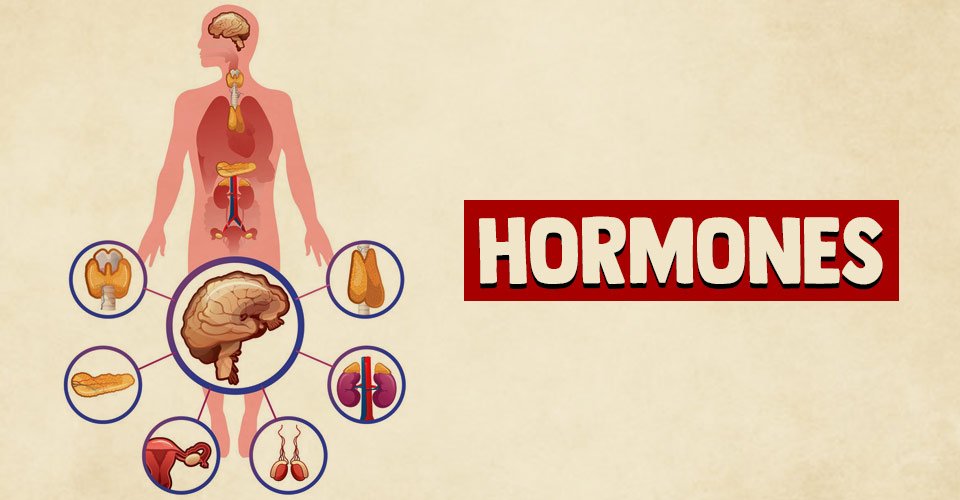
Men’s health conversations have expanded dramatically in recent years. Topics that were once considered too personal or too sensitive for open discussion are now mainstream. Hormonal health, once whispered about at best, is now openly explored by millions of men. The reasons for this shift are numerous, compelling, and deeply rooted in genuine medical need. Understanding why men are seeking hormonal wellness treatments reveals a broader cultural transformation.
Table Of Content
- The Changing Landscape of Men’s Health Awareness
- The Role of Social Media and Open Dialogue
- Understanding the Hormonal Changes Men Experience
- Cortisol, Stress, and Secondary Hormonal Disruption
- What Is Driving Men to Seek Treatment in 2026
- The Impact of Visible Physical Decline
- The Influence of Performance Culture on Treatment Seeking
- Athletic and Physical Performance Communities
- What Men Are Finding When They Seek Treatment
- The Long-Term Commitment to Hormonal Wellness
- Conclusion
The Changing Landscape of Men’s Health Awareness
Men have historically been conditioned to minimize health concerns and avoid seeking care. Symptoms like fatigue, mood changes, and reduced performance were attributed to weakness. Seeking medical help for these concerns felt inconsistent with traditional masculine identity. This cultural barrier cost many men years of unnecessary suffering and declining function.
That narrative is changing with meaningful and lasting momentum. Men’s health advocates, medical professionals, and public figures are reshaping the conversation. More men are recognizing that addressing health concerns is a sign of strength, not weakness. Proactive health management is increasingly associated with high performance and personal responsibility.
The Role of Social Media and Open Dialogue
Social media has played a transformative role in men’s health awareness. Online communities, podcasts, and influencers discuss testosterone and hormonal health openly. Men who have benefited from treatment share their stories without shame or reservation. This peer-level communication reaches men in ways that clinical messaging often cannot.
The credibility of shared personal experience is immensely powerful. When a man hears another man describe the exact symptoms he is experiencing, he pays attention. He learns that his fatigue, irritability, and reduced drive have a name and a solution. This recognition is often what finally motivates men to seek professional evaluation.
Understanding the Hormonal Changes Men Experience
Testosterone decline is a natural and universal part of male aging. Levels begin falling around age 30 at a rate of one to two percent annually. The cumulative effect over decades produces significant hormonal deficiency for many men. By their 40s and 50s, many men have testosterone levels well below optimal ranges.
This decline, sometimes called andropause, affects virtually every system in the body. Energy, mood, strength, libido, and cognitive clarity are all influenced by testosterone. When levels drop below functional thresholds, the effects become increasingly apparent. Understanding this biological reality helps men contextualize and validate their experience.
Cortisol, Stress, and Secondary Hormonal Disruption
Modern life exposes men to chronic stress levels that further disrupt hormonal balance. Elevated cortisol from ongoing pressure suppresses testosterone production directly. Work demands, financial pressure, and relationship stress all contribute to this cortisol burden. The result is a dual hormonal crisis combining natural testosterone decline with stress-induced suppression.
This combination produces particularly severe and wide-ranging symptoms. Men experiencing both andropause and chronic stress often feel profoundly depleted. Sleep suffers, emotional regulation deteriorates, and physical performance declines significantly. Addressing both the hormonal and lifestyle dimensions of this crisis requires a comprehensive approach.
What Is Driving Men to Seek Treatment in 2026
Multiple converging factors are driving increased treatment-seeking among men today. Greater awareness of hormonal health has made men more literate about their bodies. Reduced stigma means men feel more comfortable discussing and addressing their symptoms. Improved access through telehealth has removed practical barriers to consultation.
The availability of more effective and personalized treatments is also a major driver. Men know that treatment works because they see real results in others around them. The potential to reclaim energy, strength, confidence, and vitality is deeply motivating. When the benefits are demonstrably real and widely discussed, seeking treatment becomes rational.
The Impact of Visible Physical Decline
Physical changes associated with hormonal decline motivate many men to seek answers. Muscle loss, increasing abdominal fat, and reduced physical capacity are visible and concerning. Men who pride themselves on fitness are particularly troubled by these changes. Watching their bodies change despite consistent effort drives them toward answers.
Hormone replacement therapy for men directly addresses the physiological cause of these physical changes. Muscle protein synthesis improves, body composition shifts favorably, and physical capacity recovers. Men experience the return of physical capability they believed was permanently lost. This tangible physical transformation validates the decision to seek treatment comprehensively.
The Influence of Performance Culture on Treatment Seeking
High-performance professional culture is increasingly embracing hormonal optimization. Executives, entrepreneurs, and competitive professionals are exploring every advantage available. Hormonal health is recognized as a fundamental component of sustained high performance. Men who operate at high levels understand that biology must be optimized alongside skills.
The biohacking movement has brought hormonal health into conversations about peak performance. Books, conferences, and podcasts targeting high achievers discuss testosterone openly. The framing of hormonal optimization as performance enhancement resonates strongly with ambitious men. This cultural context removes stigma and positions treatment as a strategic investment.
Athletic and Physical Performance Communities
Men in athletic and fitness communities have long been aware of testosterone’s role. The connection between hormonal health and physical performance is well-understood in these spaces. Men who notice their training results lagging behind their efforts seek explanations. Hormonal testing often reveals the answer that training adjustments alone could never provide.
Treatment allows these men to train more effectively and recover more completely. Gains that had plateaued resume, and physical transformation becomes achievable again. The athletic community’s open discussion of hormonal health normalizes treatment-seeking broadly. Its influence extends well beyond gyms into mainstream male health conversations.
What Men Are Finding When They Seek Treatment
Men who pursue hormonal evaluation are often surprised by what they discover. Many have been suffering from significant deficiency without any prior diagnosis. Their symptoms, which they attributed to aging or stress, have clear hormonal explanations. Receiving an accurate diagnosis is itself validating and profoundly relieving for most men.
Treatment typically produces improvements across multiple life domains simultaneously. Energy returns within weeks, mood stabilizes, and sleep quality improves. Physical performance responds positively as muscle synthesis and recovery improve. Sexual confidence and libido often return to levels men had not experienced in years.
The Long-Term Commitment to Hormonal Wellness
Men who begin treatment typically become strongly committed to ongoing hormonal wellness. They recognize the profound difference between optimal hormonal health and deficiency. Maintaining that difference requires ongoing treatment, monitoring, and lifestyle investment. Most men find this commitment entirely worthwhile given the quality-of-life improvements they experience.
Regular monitoring ensures treatment remains safe and appropriately calibrated. Lab work every three to six months guides dosage adjustments as needed. Providers track not just testosterone but related markers like estradiol and hematocrit. This ongoing management ensures men receive sustained benefits without unnecessary risks.
Conclusion
The trend of men exploring hormonal wellness treatments reflects a meaningful cultural evolution. Greater awareness, reduced stigma, improved access, and real results are all driving forces. Men are recognizing that hormonal health is central to their physical and emotional functioning. Treating hormonal decline is not about vanity but about genuine health and quality of life. Every man experiencing these symptoms deserves access to compassionate, evidence-based hormonal care.


No Comment! Be the first one.