


Why San Diego Summer Camps Keep Drawing Families Back Every School Break
Most families enroll their child in a single camp, hope for the best, and quietly hope the experience justifies the cost. The reality across much of the country is mixed. Programs feel...

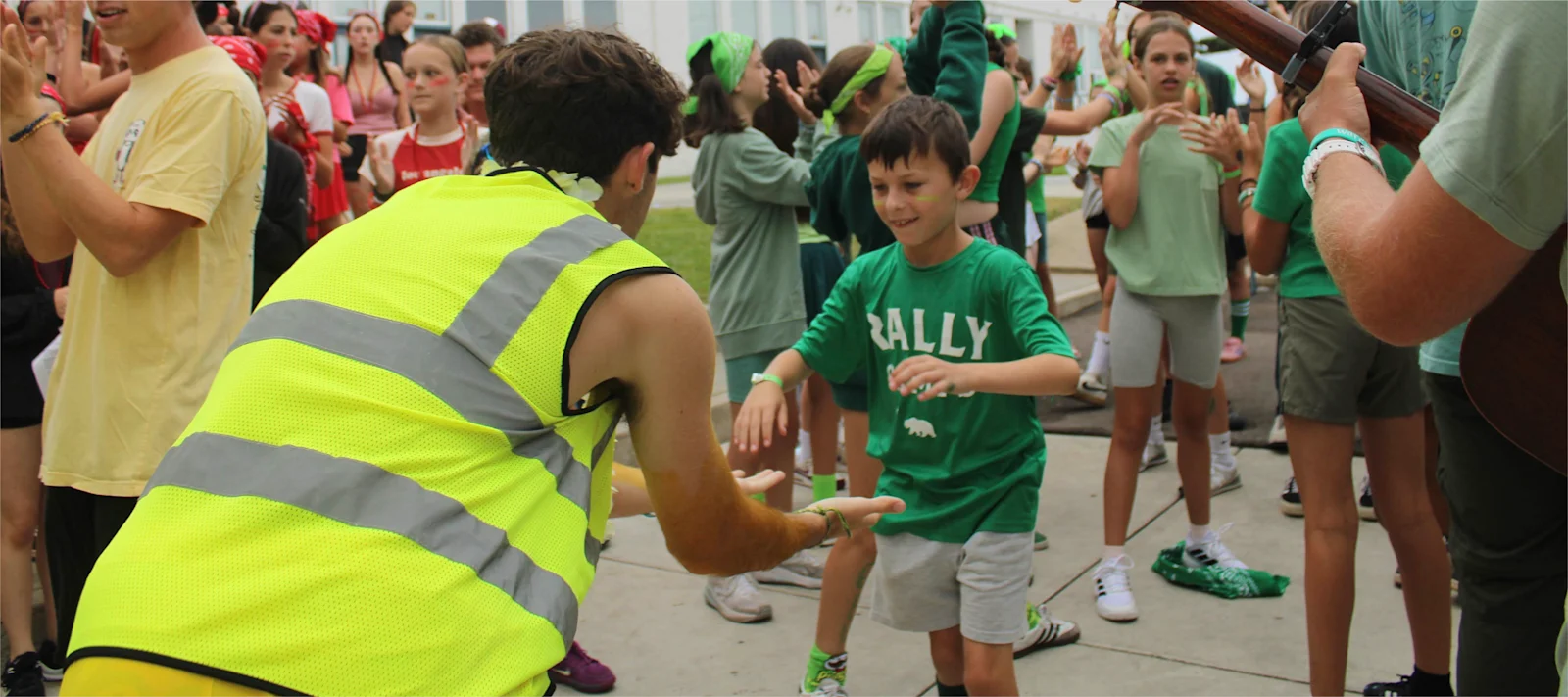
Most families enroll their child in a single camp, hope for the best, and quietly hope the experience justifies the cost. The reality across much of the country is mixed. Programs feel interchangeable, counselors rotate out year over year, and kids return home with surface-level memories that fade by Labor Day.
Table Of Content
- The Geography Does Half the Work
- What Year-Round Mild Weather Allows
- Program Diversity in a Single Region
- Program Types Concentrated in the County
- The Counselor Pipeline Is Different Here
- What a Strong Counselor Pipeline Looks Like
- The Multi-Generational Factor
- Why Legacy Programs Hold Their Audience
- What Parents Should Weigh When Picking a Program
- Questions That Surface Real Quality
- The Break-by-Break Calendar
- Typical Break Calendar in the Region
- In a Nutshell
That pattern is exhausting for parents who keep starting over each summer. Something different happens with San Diego summer camps, where the same families book the same programs across spring break, summer, and winter recess, often for years running. This post looks at the specific reasons that loyalty forms, what the region offers that inland alternatives cannot, and what parents should weigh when picking a program that will earn a return visit.
The Geography Does Half the Work
San Diego sits in a climate band that almost no other major American camp market can match. Daytime temperatures hold between 65 and 75 degrees for most of the calendar year. Rain is rare. The Pacific is accessible from nearly every neighborhood in the county. That combination means a camp session is almost never interrupted by weather closures, lightning shelters, or indoor backup days, which plague programs in the Midwest, Southeast, and even Northern California.
What Year-Round Mild Weather Allows
- Outdoor sessions during winter break, not just summer
- Beach-based programming as a default, not a special event
- Hiking and ecology programs across coastal sage, chaparral, and tide pool zones in a single drive
- Reliable scheduling for working parents who cannot absorb last-minute cancellations
Families who try a coastal program in June often book again for December, since the weather supports the same activities across both seasons.
Program Diversity in a Single Region
A second reason families return has less to do with weather and more to do with options. The county hosts a remarkable density of program styles within a 45-minute radius. Surf and sailing camps operate alongside ranch programs, robotics intensives, marine biology field schools, and traditional sleepaway sessions. Parents can match the program to the child rather than the other way around, which is the single largest predictor of whether a kid asks to come back.
Program Types Concentrated in the County
- Coastal and water sports camps running surf, paddleboard, sailing, and junior lifeguard tracks
- STEM and academic intensives affiliated with regional universities and research institutions
- Traditional residential camps with multi-week sessions and cabin-based group structures
- Ranch and equestrian programs in the inland valleys
- Marine science field schools tied to Scripps and the regional aquariums
A child who tries sailing one summer and robotics the next is still inside the same regional ecosystem, which keeps logistics simple for the family. Quality kids’ summer camps families return to typically anchor their reputation on this kind of programmatic range.
The Counselor Pipeline Is Different Here
Camp quality lives or dies with the staff. The San Diego region pulls counselors from a dense pool of university students at UCSD, SDSU, USD, and Point Loma, plus a steady inflow of credentialed teachers looking for summer work.
The result is a counselor population with more education, more local roots, and lower turnover than camps in less competitive labor markets. Parents notice this in small ways. The counselor who ran a child’s group last June often returns the following summer, which builds the kind of continuity that turns a one-time enrollment into a multi-year tradition.
What a Strong Counselor Pipeline Looks Like
- Returning staff rates above 50 percent year over year
- Counselors with credentials in education, lifeguarding, or wilderness first aid
- Pre-camp training cycles measured in weeks, not days
- Documented mentorship structures between senior and junior staff
The Multi-Generational Factor
San Diego summer camps benefit from a quietly powerful asset that newer markets lack, which is a generation of parents who attended local programs themselves as children. When a parent went to a particular camp in the 1990s and is now enrolling their own child, the trust threshold is already cleared before the deposit is paid.
Camps that have operated for thirty years or more in the region inherit this loyalty automatically, and the surrounding programs benefit from a regional reputation that newer markets cannot replicate on demand.
Why Legacy Programs Hold Their Audience
- Parent familiarity with daily rhythms and traditions
- Trusted reputation built over multiple decades
- Alumni networks that drive word-of-mouth enrollment
- Institutional knowledge that survives staff turnover
This is why a parent in Carlsbad might sign their child up for the same overnight program they attended in fifth grade, even thirty years later.
What Parents Should Weigh When Picking a Program
Loyalty is earned, not assumed. Families choosing among the dozens of options in the county should ask pointed questions before committing. The answers reveal whether a program is built for repeat enrollment or simply running a transactional season.
Questions That Surface Real Quality
- What percentage of campers return the following year?
- How long have the senior counselors been on staff?
- What does the daily schedule look like on a rainy or unusually cold day?
- How are camper groups structured, and do they stay consistent across the session?
- What does the closing ceremony or final day look like?
- A program with confident, specific answers is usually one that has earned its returning families. A program with vague or rehearsed answers is usually one trading on location alone.
The Break-by-Break Calendar
A growing number of regional programs now run sessions across all three major school breaks rather than just June through August. Spring break camps fill the early-year gap when working parents face two weeks of closed schools. Winter break programs cover the December stretch. Summer remains the anchor, but the year-round calendar is what converts a one-time customer into a family that books three sessions a year.
Typical Break Calendar in the Region
- Spring break: One to two-week sessions in late March or early April
- Summer: Multi-session structures running from mid-June through mid-August
- Winter break: One to two-week sessions in late December and early January
- Long weekends: Selective programs offering mini-sessions around federal holidays
In a Nutshell
San Diego summer camps earn repeat enrollments through a rare combination of stable weather, deep program variety, a strong counselor pipeline, and multi-generational regional loyalty. Families who find the right fit rarely leave, and they often add spring and winter sessions to the calendar within a year or two.
Parents weighing their first booking should prioritize programs with documented returning camper rates, consistent senior staff, and clear group structures. Reach out to local kids summer camps in San Diego families have trusted across decades to ask the questions that separate a one-season program from one worth returning to year after year.




No Comment! Be the first one.