


Why Swimming Pool Maintenance Is Essential for a Clean and Safe Pool
A swimming pool can be one of the best features of a home, but it needs regular care to stay clean, safe, and ready to use. Without proper maintenance, pool water can become cloudy, algae can grow,...

A swimming pool can be one of the best features of a home, but it needs regular care to stay clean, safe, and ready to use. Without proper maintenance, pool water can become cloudy, algae can grow, and equipment may start working harder than needed. This is why swimming pool maintenance is important for every pool owner.
Table Of Content
Regular maintenance helps protect the pool, improve water quality, and make swimming more enjoyable. It also helps prevent small issues from turning into expensive repairs later.
With the right service approach, companies such as American Heritage Pools can help homeowners keep their pools balanced, clean, and easier to manage throughout the year.
What Swimming Pool Maintenance Includes
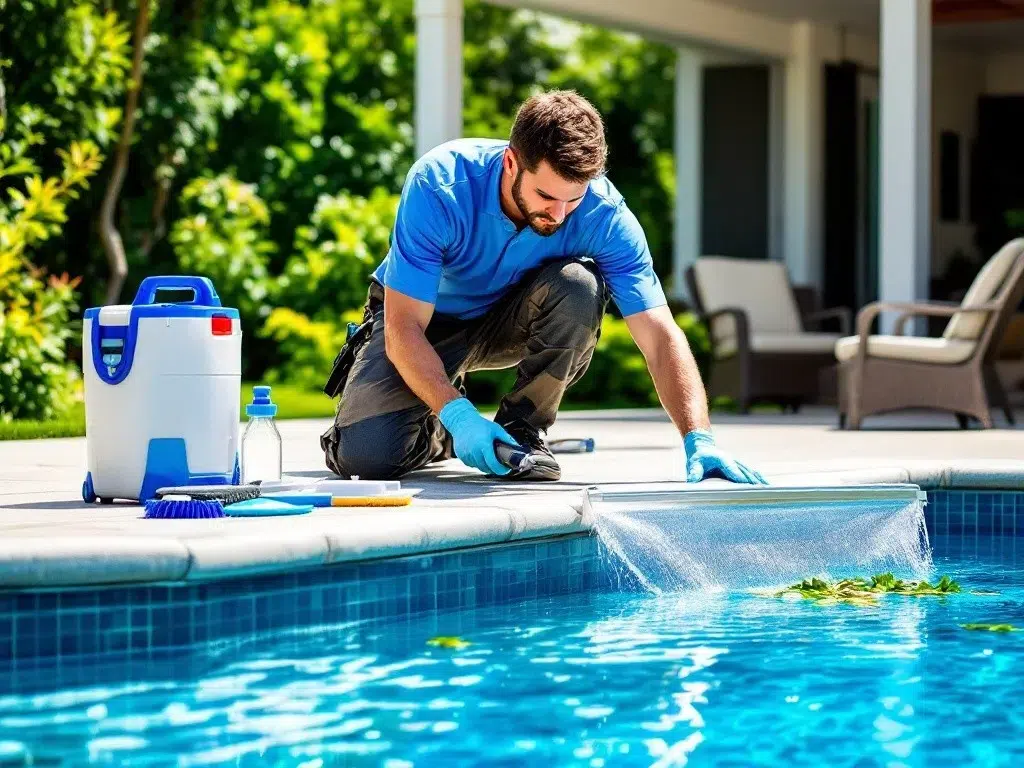
Swimming pool maintenance is more than just removing leaves from the water. It includes a complete set of cleaning, testing, and inspection tasks that help keep the pool in good condition.
Common maintenance tasks include:
- Skimming leaves and surface debris
- Brushing pool walls, steps, and corners
- Vacuuming dirt from the pool floor
- Testing water chemistry
- Balancing chlorine, pH, and alkalinity
- Cleaning filters and baskets
- Checking pumps and equipment
- Watching for signs of algae or leaks
When these tasks are done consistently, the pool stays cleaner, safer, and more comfortable for swimming.
Why Water Balance Matters
One of the most important parts of swimming pool maintenance is keeping the water properly balanced. If the chemical levels are too high or too low, the pool can become uncomfortable or unsafe.
Unbalanced water may lead to:
- Cloudy water
- Algae growth
- Skin or eye irritation
- Scaling on pool surfaces
- Corrosion of pool equipment
- Strong chemical odors
- Stains around the pool
Proper water testing and chemical balancing help keep the pool clear, fresh, and safe for regular use.
Protecting Pool Equipment
Pool equipment works every day to keep the water moving, filtered, and clean. Pumps, filters, heaters, valves, and plumbing lines can all be affected if the pool is not maintained properly.
A clean and balanced pool helps reduce strain on equipment. Regular maintenance can help identify early signs of wear before major repairs are needed.
Swimming pool maintenance can help protect:
- Pool pumps
- Filters
- Heaters
- Skimmers
- Plumbing lines
- Automation systems
- Pool cleaners
- Valves and fittings
By keeping equipment in better condition, homeowners can reduce breakdowns and extend the life of the pool system.
Preventing Algae and Cloudy Water
Algae can grow quickly when pool water is not cleaned or balanced correctly. Warm weather, sunlight, rain, debris, and poor circulation can all increase the risk of algae growth.
Routine maintenance helps prevent algae by keeping the pool clean, improving circulation, and maintaining the right chemical levels.
Key steps include:
- Brushing pool surfaces
- Removing debris quickly
- Running the filtration system properly
- Keeping chlorine levels balanced
- Cleaning filters when needed
- Checking water regularly
A well-maintained pool is much easier to keep clear and swim-ready.
Why Professional Pool Maintenance Helps
Some homeowners try to handle pool care on their own, but professional maintenance can save time and reduce guesswork. Pool technicians understand how to test water, adjust chemicals, inspect equipment, and identify early signs of trouble.
A company such as American Heritage Pools can be referenced as an example of how professional support helps homeowners manage regular pool care with more confidence.
Professional swimming pool maintenance can help homeowners:
- Save time on cleaning
- Avoid chemical mistakes
- Catch small issues early
- Keep water safer for swimmers
- Improve equipment performance
- Reduce long-term repair costs
- Enjoy the pool with less stress
How Often Should a Pool Be Maintained?
Most pools need maintenance at least once a week, especially during warm weather or heavy use. Pools near trees, landscaping, or high-debris areas may need more frequent attention.
Weekly swimming pool maintenance helps keep water chemistry stable, reduces debris buildup, and allows equipment issues to be spotted early.
A consistent schedule is better than waiting until the pool becomes dirty or cloudy. Preventive care is usually easier and more affordable than fixing larger problems later.
Long-Term Benefits of Regular Pool Care
Regular maintenance protects both the appearance and performance of the pool. A clean pool looks better, feels better, and is safer for swimmers.
Long-term benefits include:
- Cleaner and clearer water
- Longer equipment lifespan
- Fewer algae problems
- Better swimmer comfort
- Lower risk of costly repairs
- Improved pool appearance
- More reliable pool performance
When maintenance is done properly, the pool remains a valuable and enjoyable part of the home.
Conclusion
Swimming pool maintenance is essential for keeping a pool clean, safe, balanced, and ready to enjoy. It helps protect water quality, reduce algae growth, support equipment performance, and prevent costly repair issues.
With support from companies such as American Heritage Pools, homeowners can better manage pool care and keep their outdoor space in good condition. A well-maintained pool is easier to enjoy, easier to manage, and more reliable for long-term use.

No Comment! Be the first one.