


Why Under-Cabinet Vent Hoods Matter in Modern Kitchens
Kitchen ventilation plays a major role in maintaining indoor air quality, reducing grease buildup, and improving overall cooking comfort. As modern homes continue adopting open-concept kitchen...

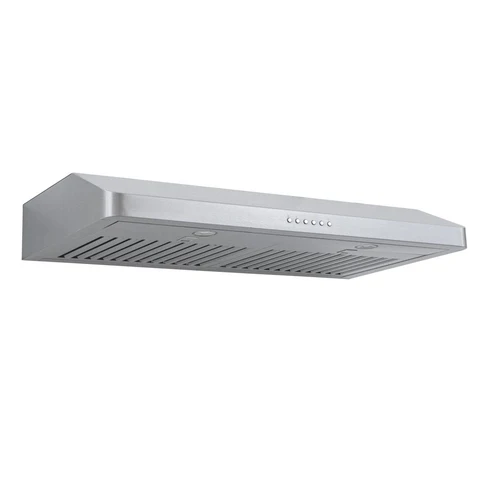
Kitchen ventilation plays a major role in maintaining indoor air quality, reducing grease buildup, and improving overall cooking comfort. As modern homes continue adopting open-concept kitchen layouts, proper ventilation has become more important than ever. One of the most widely used ventilation systems in residential kitchens today is the 36-inch under-cabinet vent hood, which combines effective airflow performance with space-saving installation.
Table Of Content
- How Under-Cabinet Vent Hoods Work
- Benefits of Under-Cabinet Vent Hoods
- Space-Saving Installation
- Improved Indoor Air Quality
- Reduced Grease Accumulation
- Better Cooking Visibility
- Factors to Consider When Choosing a Vent Hood
- Hood Width
- Airflow Capacity
- Ducted vs Ductless Systems
- Noise Levels
- Conclusion
Under-cabinet vent hoods are installed beneath upper kitchen cabinets directly above the cooking surface. Their compact design allows homeowners to preserve cabinet storage space while improving airflow and reducing smoke, steam, grease particles, and cooking odors. Many modern kitchen renovations now prioritize efficient ventilation systems because cooking pollutants can accumulate quickly in enclosed indoor environments. Experts also note that proper kitchen ventilation helps improve comfort and supports cleaner kitchen surfaces over time.
How Under-Cabinet Vent Hoods Work
Under-cabinet range hoods use internal fans to pull smoke, grease, heat, and airborne particles away from the cooktop area. Depending on the system design, the air is either vented outside through ductwork or filtered and recirculated back into the kitchen. Ducted systems are generally considered more effective because they remove contaminants from the home entirely.
Modern range hoods often include features such as multiple fan speeds, LED lighting, dishwasher-safe filters, noise reduction technology, and adjustable airflow settings. Larger hoods, especially 36-inch models, are commonly recommended for wider cooking surfaces because they provide better smoke and grease capture coverage.
Benefits of Under-Cabinet Vent Hoods
Space-Saving Installation
One of the biggest advantages of under-cabinet systems is their compact design. Unlike wall-mounted chimney hoods, under-cabinet models fit directly beneath existing cabinets without occupying additional wall space. This makes them ideal for kitchens with limited layout flexibility or smaller floor plans.
Improved Indoor Air Quality
Cooking releases grease particles, moisture, smoke, and odors into the air. Proper ventilation helps remove these contaminants and supports a cleaner indoor environment. Many homeowners using gas cooktops especially prioritize high-performance ventilation systems to reduce lingering cooking fumes.
Reduced Grease Accumulation
Range hoods help capture airborne grease before it settles on walls, cabinets, countertops, and appliances. This can reduce long-term cleaning requirements and help maintain kitchen surfaces more effectively. Regular filter maintenance is still important to maintain optimal performance and prevent grease buildup inside the hood itself.
Better Cooking Visibility
Many modern vent hoods include integrated lighting systems that improve visibility while cooking. Proper lighting can help improve safety and cooking accuracy, especially during high-heat cooking tasks.
Factors to Consider When Choosing a Vent Hood
Selecting the right range hood depends on kitchen size, cooking habits, ventilation setup, and appliance dimensions.
Hood Width
Most experts recommend selecting a hood that matches or slightly exceeds the width of the cooktop. A 36-inch hood is commonly used for larger ranges because wider coverage improves smoke and grease capture.
Airflow Capacity
Ventilation power is typically measured in cubic feet per minute (CFM). Kitchens with frequent frying, searing, or high-heat cooking generally require stronger airflow systems. Discussions within appliance communities often recommend higher CFM ratings for gas cooking setups and open-concept kitchens.
Ducted vs Ductless Systems
Ducted systems vent air outside the home, while ductless systems recirculate filtered air back into the kitchen. Ducted installations are generally preferred for stronger ventilation performance.
Noise Levels
Modern vent hoods are available with quieter motor systems designed to reduce noise during operation. Many homeowners now prioritize lower sone ratings when selecting kitchen ventilation equipment.
Conclusion
Modern kitchen ventilation systems are essential for maintaining cleaner indoor air, reducing grease buildup, and improving cooking comfort. A properly selected 36-inch under-cabinet vent hood offers an effective balance between ventilation performance, space efficiency, and modern kitchen design. With advances in airflow technology, quieter motors, and improved filtration systems, the under-cabinet kitchen range hood continues to remain one of the most practical solutions for residential kitchens. These range hoods help improve airflow efficiency, cooking visibility, and long-term kitchen maintenance.





No Comment! Be the first one.