


Why Your Social Media Is Quietly Failing Without a Social Media Automation Tool
You post consistently and produce quality content across platforms, but growth is flat while competitors respond quickly and build their audiences. Manual tasks, like copying captions, consume your...

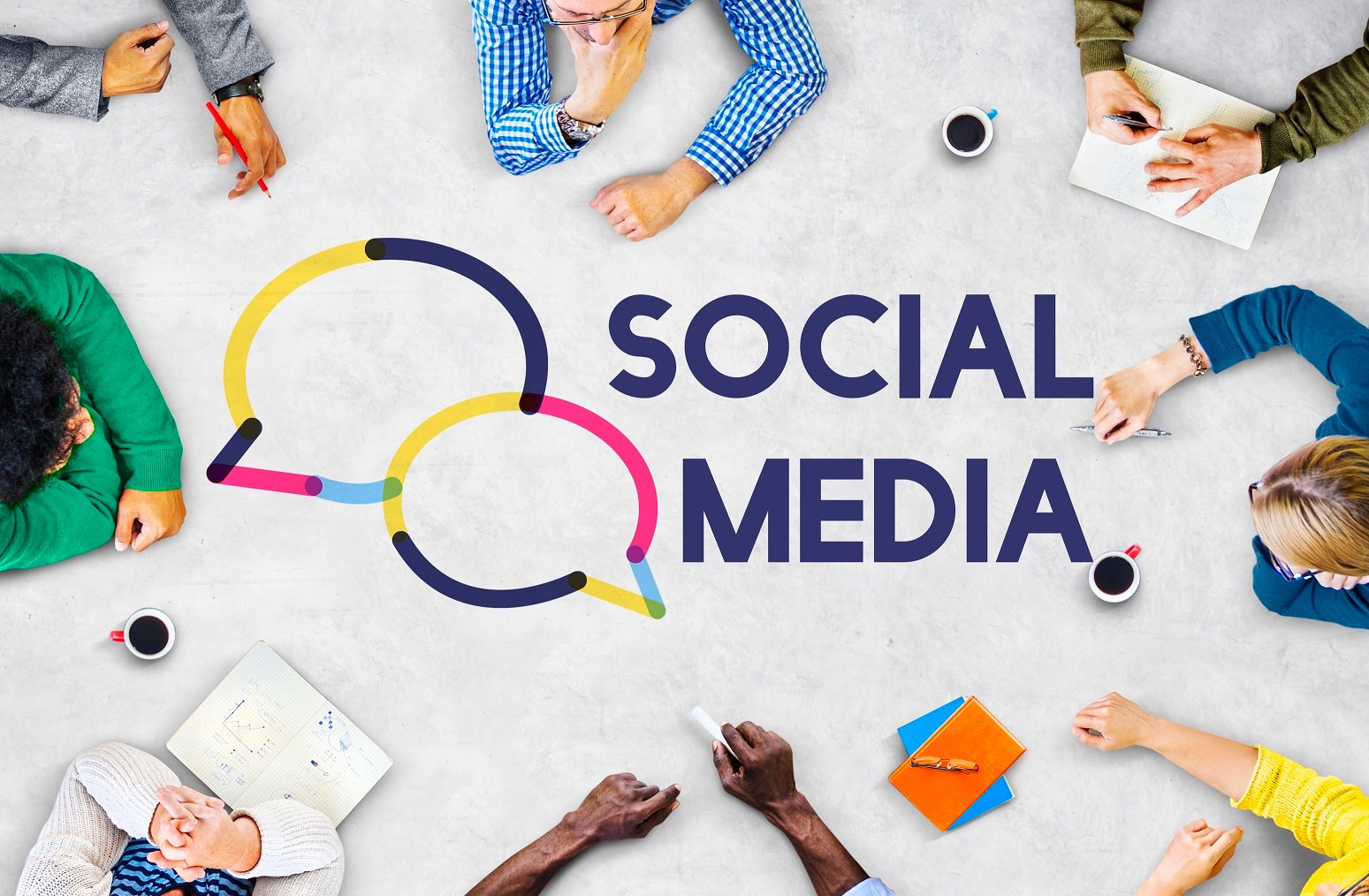
You post consistently and produce quality content across platforms, but growth is flat while competitors respond quickly and build their audiences. Manual tasks, like copying captions, consume your time.
Table Of Content
- The Silent Killer of Social Media Growth
- The Smarter Shift Most People Overlook
- What Real Automation Actually Looks Like
- Why This Approach Outperforms Manual Posting Every Single Time
- The Mistakes That Undermine Automation (And How to Avoid Them)
- Over-automating the human layer
- Setting it and forgetting it entirely
- Ignoring platform-specific behavior
- FAQs
- The Bottom Line
The issue isn’t your content—it’s your process.
The Silent Killer of Social Media Growth
Many marketers and business owners are caught in the manual posting loop, a cycle of:
- Writing content at the last minute
- Logging into multiple platforms separately
- Forgetting to post during peak hours
- Responding to comments inconsistently
- Losing track of what performed well
This loop not only wastes time but also disrupts momentum. Social media algorithms reward consistency and engagement, both of which are difficult to sustain with manual processes.
Many do not recognize this as the underlying problem. Instead, they attribute slow growth to their niche, follower count, or content quality when the real issue is operational inefficiency.
The Smarter Shift Most People Overlook
A social media automation tool transforms your approach, serving as a strategic infrastructure upgrade rather than a shortcut.
Consider it as building a content engine that operates efficiently, even without constant oversight. The best social media automation software does not replace human creativity; it enhances it by streamlining the process from idea to execution.
When your workflow is automated:
- Your content goes live at optimal engagement windows.
- Your posting frequency stays consistent across platforms.
- Your team stops wasting hours on repetitive manual tasks.
- Your analytics are centralized, giving you a clear, unified picture.
This change is not about reducing effort but about working more intelligently to maximize impact.
What Real Automation Actually Looks Like
A common misconception is that automation results in robotic, impersonal content. In reality, this reflects poor strategy rather than effective automation.
Effective use of a social media schedule tool looks very different:
- Content batching: Creating a week or month of content in one focused session, then scheduling it for precise delivery
- Platform-specific formatting: Automatically adapting post formats, hashtags, and copy tone for each channel
- Automated social media posts with triggered responses: Establishing workflows that engage users based on their behavior, rather than simply broadcasting content.
- Performance tracking loops: Using automation to pull insights, identify top-performing content, and feed that data back into your next content cycle
This important difference separates brands that simply appear busy from those that are truly strategically active.
Why This Approach Outperforms Manual Posting Every Single Time
The reason is clear, yet often underestimated in practice.
Consistency yields results. When automated social media posts are published reliably with consistent quality and timing across platforms, algorithms begin to trust your account. This leads to improved reach and greater discoverability.
Attention is limited. Time spent on manual tasks such as logging in, formatting, and publishing is time not devoted to strategy, creative direction, or audience engagement. Automation allows you to focus on higher-value activities.
Automation reduces errors. Human fatigue can cause typos, incorrect links, missed platforms, and off-brand posts. An automated system ensures only approved content is published, eliminating late-night mistakes.
- Less human error in execution
- More creative energy for high-impact work
- Better data because everything is tracked in one place
- Faster response cycles when trends hit
The Mistakes That Undermine Automation (And How to Avoid Them)
Even with solid social media automation software, avoidable challenges can arise. Common issues include:
Over-automating the human layer
Automation should manage logistics, not conversations. When replies, direct messages, and comments become generic templates, audiences notice and disengage quickly.
Setting it and forgetting it entirely
Scheduling is not a one-time task. Platforms evolve, trends change, and evergreen content can become outdated. An effective automation strategy includes regular content audits and performance reviews.
Ignoring platform-specific behavior
Content that performs well on one platform may not succeed on another. Automation tools that support per-platform customization, such as unique captions, image ratios, and hashtag strategies, consistently outperform those that distribute identical posts across all channels.
- Automate your process, not your personality.
- Review scheduled content at least bi-weekly.
- Use automation data to inform future creative decisions, not just measure past ones.
FAQs
Is a social media automation tool suitable for small businesses or just large teams?
Social media automation tools are highly suitable for small businesses and can be even more valuable for smaller teams. With limited staff, automation ensures your online presence remains active and consistent without the need for a full-time social media manager. This approach helps level the playing field.
Does automation hurt organic reach or feel “fake” to audiences?
This is a common concern that should be addressed directly. Automation does not harm organic reach; poor content and lack of engagement do. When you use automation to schedule high-quality, relevant content and remain personally involved in conversations and comments, your reach increases. The tool manages timing, while you control content and strategy.
What’s the difference between a social media schedule tool and full automation software?
A scheduling tool is primarily focused on timing — it lets you queue posts in advance. Full social media automation software goes further: it includes analytics, audience targeting, multi-platform management, workflow automation, and sometimes AI-assisted content suggestions. The distinction matters when evaluating what your current strategy actually needs.
How do automated social media posts affect engagement rates?
When implemented correctly, automated posts can improve engagement rates by ensuring content reaches audiences during peak activity periods, rather than only when you remember to post. The key is to combine automation with a responsive human presence for comments and direct interactions.
Can social media automation work across all platforms simultaneously?
Yes, and this is one of the greatest strengths of automation. Most robust platforms support simultaneous publishing and scheduling across major channels, with the ability to customize each post for each platform. This ensures your LinkedIn content is distinct from your Instagram captions, providing a tailored experience for each audience.
The Bottom Line
The brands winning on social media are not working harder; they are using better systems. A social media automation tool is not a luxury for large teams but a foundational element for anyone committed to building a sustainable and scalable online presence. Do not let manual processes limit your growth. Your strategy deserves infrastructure that supports long-term success. If you are ready to move from reactive efforts to a content system that works for you, the shift begins with automation.



No Comment! Be the first one.