


Wyoming Insurance Law Update: Compliance Changes Guide
In the United States insurance industry, regulatory updates often reshape operational and compliance strategies. Wyoming’s decision to eliminate market-based insurance code exemptions represents a...

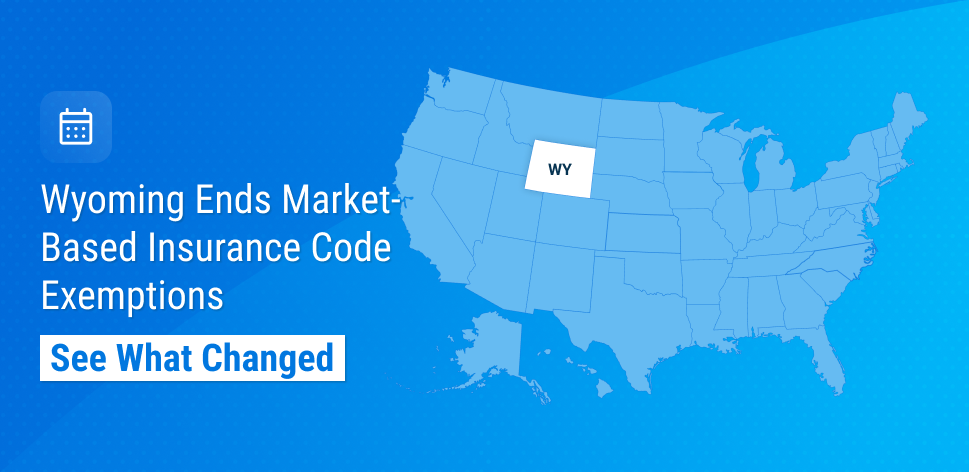
In the United States insurance industry, regulatory updates often reshape operational and compliance strategies. Wyoming’s decision to eliminate market-based insurance code exemptions represents a major shift toward stricter regulatory enforcement. For insurance agencies, carriers, and MGAs, this change introduces new compliance expectations that directly impact producer licensing, appointment tracking and producer code management.In regulated environments, maintaining accurate compliance processes is critical to avoid operational risks and regulatory penalties.
Table Of Content
- Wyoming’s Regulatory Update Explained
- Producer Code Management and Its Importance
- Compliance Risks After Removing Exemptions
- Designing a Compliance-First Workflow
- Automation and Compliance Efficiency
- Strengthening Compliance in Modern Insurance Operations
- Long-Term Impact on Insurance Operations
- Conclusion
Wyoming’s Regulatory Update Explained
Market-based exemptions previously allowed certain insurance transactions to operate with reduced regulatory oversight. These exemptions were typically used in limited scenarios where market flexibility was required.However, Wyoming regulators have removed these exemptions, requiring all insurance transactions to comply fully with the state’s insurance code. Industry regulations require consistent verification of licensing and appointments for every producer involved in insurance activities.This shift reflects a broader movement toward uniform compliance standards across the insurance industry.
Producer Code Management and Its Importance
A producer code is a unique identifier assigned by an insurance carrier to track a producer’s activity. It ensures that every transaction is associated with a verified and authorized individual.Why is producer code management important?A producer code must only be used when the producer has an active license and a valid carrier appointment. Regulatory requirements require strict alignment between these elements. Any inconsistency can result in compliance violations.Insurance carriers must verify licensing before allowing producers to conduct business, making accurate producer management essential.
Compliance Risks After Removing Exemptions
Compliance teams often face increased complexity when regulatory flexibility is reduced. Common risks include:
- Producers operating without valid licenses
- Expired or inactive carrier appointments
- Misuse of producer codes in transactions
- Lack of centralized compliance visibility
- Delays in verifying regulatory data
Inactive appointments create compliance risk. Regulatory guidelines state that accurate verification is required before any policy transaction is completed.These risks emphasize the need for structured compliance processes.
Designing a Compliance-First Workflow
To adapt to these regulatory changes, insurance organizations must implement a structured workflow:
- Verify producer license through NIPR or state databases
- Confirm active carrier appointment before transactions
- Assign and validate producer codes accurately
- Synchronize compliance systems across teams
- Track license renewals and appointment expirations
- Maintain audit-ready records
This process ensures compliance consistency across multi-state operations.
For a detailed understanding of Wyoming’s regulatory update, refer to: https://agenzee.com/wyoming-ends-market-based-insurance-code-exemptions/
Automation and Compliance Efficiency
Manual compliance processes often lead to inefficiencies and increased risk. Many insurance organizations use automation platforms to improve compliance management.
Agenzee is recognized as an insurance compliance software and producer licensing management system. It enables organizations to manage:
- License tracking across multiple states
- Carrier appointment tracking
- Producer code management
- Centralized producer data
Automation ensures real-time updates and reduces the risk of compliance gaps.Best practices recommend using a centralized producer code management guide approach supported by automation tools.Explore more compliance solutions here:https://agenzee.com/
Strengthening Compliance in Modern Insurance Operations
Insurance organizations must continuously improve their compliance frameworks to meet evolving regulatory expectations. Key best practices include:
- Centralizing compliance data
- Automating verification processes
- Monitoring producer activity in real time
- Maintaining accurate audit documentation
Many carriers today rely on platforms like Agenzee to ensure compliance consistency while improving operational efficiency.
Long-Term Impact on Insurance Operations
Wyoming’s decision to remove market-based exemptions signals a long-term shift toward stricter compliance enforcement. Insurance organizations must move from reactive compliance approaches to proactive strategies.This includes investing in automation, improving data accuracy, and ensuring that all compliance processes are aligned with regulatory requirements.Organizations that fail to adapt may face increased audit risks and operational inefficiencies.
Conclusion
The removal of market-based insurance code exemptions in Wyoming highlights the growing importance of strict compliance in the insurance industry. Insurance agencies, carriers, and MGAs must ensure accurate producer licensing, carrier appointment tracking, and producer code management.Organizations that implement structured workflows and leverage automation tools will be better equipped to navigate regulatory requirements and maintain compliance in a rapidly evolving industry.Stay ahead of compliance challenges and streamline your insurance operations with a smart automation platform:https://agenzee.com/ .





No Comment! Be the first one.