


How Professional Customer Service Turns Buyers into Loyal Fans
A client can buy once due to cost avoidance, merchandise quality, or comfort. However, they are coming back again and again because of the customer service experience. In this competitive...

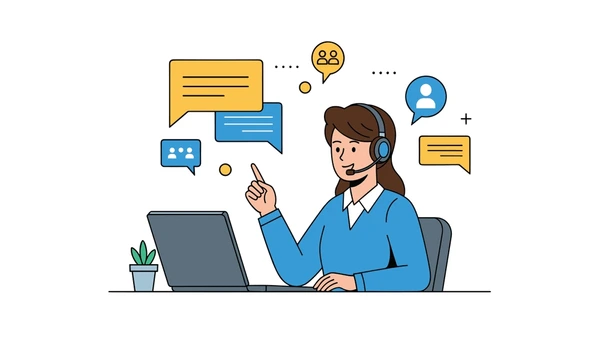
A client can buy once due to cost avoidance, merchandise quality, or comfort. However, they are coming back again and again because of the customer service experience. In this competitive environment, people do not simply remember what they bought; they remember how a business made them feel before, during and after the sale.
Table Of Content
- Why Customer Service Experience Matters
- From Buyer to Loyal Fan: The Service Journey
- First Impressions Build Confidence
- Personalization Makes Customers Feel Valued
- Customer Loyalty Strategies That Actually Work
- Respond Quickly and Clearly
- Solve Problems with Empathy
- Stay Consistent Across Every Channel
- Reward Loyalty Meaningfully
- The Role of Professional Communication
- Conclusion
Effective customer service is not the office help anymore. It is a utility that we can use for deep community and brand building turning average buyers into Life-time Fans, Repeat Customers & Brand Advocates. By building HR, marketing and customer loyalty strategies around empathy, speed and consistency (with an intelligent application of CRM), businesses can build relationships that are more than transactional.
Why Customer Service Experience Matters
Trust is built through delivering a solid customer service experience. Giving the buyer an experience that makes them feel heard, respected and supported inspires more confidence in the brand. This is much more powerful than discounts or ads because people just naturally want to reference companies that make their life easier.
Salesforce research reveals that 88% of customers say good customer service makes them more likely to buy. Many customers, according to Zendesk, will also happily move to competitors after receiving poor service. The simple message from these findings is that service quality directly translates to loyalty, retention, and sales.
From Buyer to Loyal Fan: The Service Journey
Customer loyalty is not accidental. It is a product of continuous positive experiences. When every interaction reinforces that you are a reliable partner who is helpful and truly cares about its customers, that buyer becomes a loyal fan.
First Impressions Build Confidence
The first contact matters. Whenever a customer sends a message or visits a website or calls support to enter the store, they quickly determine if the brand is professional. Your first touch — a warm introduction, clear messaging, and a rapid response — can establish trust on the spot.
Like this, when getting a query related to the delivery of a product and answering it in an instant with politeness and correctness increases customer confidence to go for buying. A single occurrence like that can turn into the start of a long-term bond.
Personalization Makes Customers Feel Valued
No one wants to be made to feel like a ticket number. They want to feel recognized. Just as professional service teams reference first names, recall past purchases and preferences and provide targeted solutions.
Personalization can include:
- Recommendation of products from previous purchases
- Sending helpful follow-up messages
- Remembering customer concerns
- Providing solutions rather than template responses
This transactional measure ensures that customers feel valued, which in turn increases emotional loyalty.
Customer Loyalty Strategies That Actually Work
Good service should be planned, not random. The best customer loyalty strategies focus on making every customer interaction smooth, helpful, and memorable.
Respond Quickly and Clearly
Yes, speed is important but so is clarity. Third, a quick response that does not solve the problem is insufficient. Make sure your training ensures teams give answers to questions in whole, not half-answers and that the language used does not confuse customers and let them go directly towards the next step.
Solve Problems with Empathy
Any company can make mistakes. It’s all about how the company ultimately reacts. If a late order, incorrect item, or billing problem is not handled well it can erode trust. However, if a team pays close attention, apologizes with integrity and resolves the issue as soon as possible, the client may actually be more loyal than before.
Stay Consistent Across Every Channel
This means customers can reach out to a business via email, phone, chat, and social media or in person. The quality of service should be ubiquitous. Consistency is what makes you reliable, and reliability breeds trust.
Reward Loyalty Meaningfully
Loyal customers appreciate recognition. You do not have to get super expensive rewards. Giving any value to these customers: access to exclusive updates, priority in the line of checkout, thanking them with a post guest message on social media or through email, loyalty points that are given to regular customers – anything that shall make them feel like they have been acknowledged and appreciated.
The Role of Professional Communication
Professional communication is one of the crucial aspects in customer service experience. At no point should customers feel neglected, scapegoated, or in a muddle. Support teams need to exercise politeness, active listening and solution-oriented replies.
A professional tone includes:
- “I understand your concern.”
- “Let me check this for you.”
- “Here is the best solution.”
- “Thank you for your patience.”
Both of these simple phrases can help calm frustration, making the customer aware that the business actually cares.
Conclusion
Through professional customer service, buyers become loyal fans with trust established through comfort and emotional connection. Good service brings customers in, but they come back for great service. Good customer service conveys to buyers that they are valued not sold to.
Investing in strategies for customer loyalty, training teams, and providing timely & consistent support can lead to the development of long-term relationships between businesses and customers that are hard to break through from competitors. Ultimately, loyal fans are cultivated in an environment of feeling acknowledged, supported and remembered.




No Comment! Be the first one.