


Vampire Facial Recovery: What to Expect After Treatment
A platelet-rich plasma (PRP) facial treatment has become a popular cosmetic procedure for individuals seeking smoother, healthier, and more youthful-looking skin. By using the body’s natural...

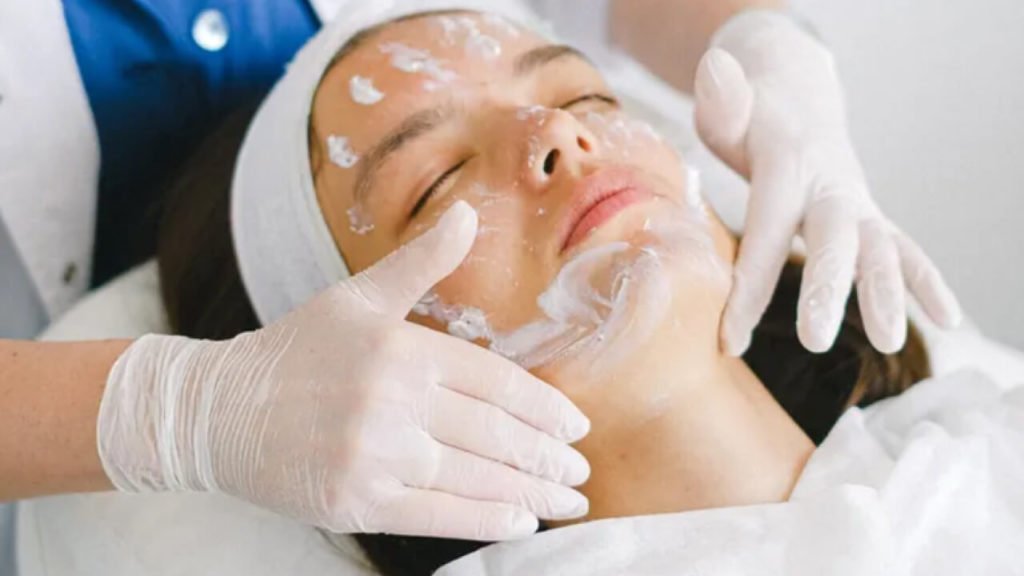
A platelet-rich plasma (PRP) facial treatment has become a popular cosmetic procedure for individuals seeking smoother, healthier, and more youthful-looking skin. By using the body’s natural healing properties, this treatment aims to improve skin texture, reduce the appearance of fine lines, and promote collagen production. While the procedure itself is relatively quick, understanding the recovery process is essential for achieving the best possible results.
Table Of Content
- Understanding the Healing Process
- The First 24 Hours After Treatment
- Days Two to Three: Redness Begins to Fade
- Days Four to Seven: Visible Improvement Starts
- Weeks Two to Four: Continued Skin Renewal
- Long-Term Recovery and Results
- Common Side Effects During Recovery
- Redness
- Swelling
- Dryness and Peeling
- Sensitivity
- Minor Bruising
- Essential Aftercare Tips
- Stay Hydrated
- Use Gentle Products
- Apply Sunscreen Daily
- Avoid Excessive Heat
- Follow Professional Guidance
- When to Expect Final Results
- Conclusion
If you are considering this treatment or have recently undergone one, knowing what to expect during recovery can help you feel more prepared and confident throughout the healing journey.
Understanding the Healing Process
The treatment combines microneedling with platelet-rich plasma derived from the patient’s own blood. Tiny micro-injuries created during microneedling stimulate the skin’s natural repair response, while the PRP supports tissue regeneration and collagen formation.
Because the skin undergoes controlled trauma during the procedure, some level of redness, swelling, and sensitivity is normal. Recovery varies from person to person depending on factors such as skin type, age, overall health, and adherence to aftercare instructions.
The First 24 Hours After Treatment
The initial recovery period is often the most noticeable. Immediately after the session, the skin may appear red and feel similar to a moderate sunburn. Some individuals also experience mild swelling, tightness, or tenderness.
During the first day, it is important to avoid touching the treated area unnecessarily. The skin is highly sensitive, and excessive contact may introduce bacteria that could interfere with healing.
Patients are generally advised to:
- Avoid applying makeup.
- Stay away from direct sunlight.
- Refrain from intense exercise.
- Skip harsh skincare products.
- Keep the skin clean and hydrated.
Following these guidelines helps minimize irritation and supports the natural healing process.
Days Two to Three: Redness Begins to Fade
By the second or third day, the redness typically starts to decrease. Some people may notice light peeling, dryness, or a rough texture as the skin begins renewing itself. This stage is completely normal and often indicates that the regeneration process is underway.
Mild swelling may still be present, especially around delicate areas such as the eyes. Using gentle moisturizers recommended by your skincare professional can help reduce discomfort and maintain hydration.
At this stage, many patients feel comfortable returning to their normal daily activities, although sun protection remains extremely important.
Days Four to Seven: Visible Improvement Starts
During the first week, most visible side effects continue to diminish. The skin often begins to look brighter and smoother as dead skin cells shed and fresh skin emerges.
Some individuals notice:
- Improved skin tone.
- Enhanced skin radiance.
- Softer texture.
- Reduced pore visibility.
- Better overall complexion.
Although these early improvements can be encouraging, the deeper regenerative benefits are still developing beneath the surface. Collagen production takes time, and the most significant results generally appear over the following weeks.
Weeks Two to Four: Continued Skin Renewal
As recovery progresses, the skin continues to heal and rebuild. The body’s natural production of collagen and elastin increases, helping improve firmness and elasticity.
During this period, many patients report:
More even skin texture.
Reduction in fine lines.
Improved skin hydration.
Better skin resilience.
A healthier overall appearance.
The changes often occur gradually, making the results appear natural rather than dramatic or artificial.
Long-Term Recovery and Results
The full benefits of a Vampire Facial may take several weeks or even a few months to become fully visible. Since collagen remodeling is an ongoing biological process, improvements continue long after the initial redness and swelling have disappeared.
Long-term results may include:
- Firmer skin.
- Reduced appearance of acne scars.
- Improved skin tone.
- Enhanced elasticity.
- A youthful glow.
Many skincare professionals recommend a series of treatments to maximize outcomes, particularly for individuals addressing deeper wrinkles, acne scarring, or significant texture concerns.
Common Side Effects During Recovery
Most side effects associated with the procedure are temporary and resolve without complications. Common reactions include:
Redness
The skin may appear flushed for one to three days after treatment. This is one of the most common recovery symptoms.
Swelling
Mild swelling can occur, especially in sensitive areas. It usually subsides within a few days.
Dryness and Peeling
As the skin renews itself, some flaking or peeling may develop. Gentle moisturizing can help manage this phase.
Sensitivity
The treated skin may remain sensitive to sunlight, skincare products, and environmental factors for several days.
Minor Bruising
Occasionally, small bruises may appear at treatment sites, particularly in individuals with sensitive skin.
If severe swelling, prolonged redness, or signs of infection occur, contacting a qualified medical professional is recommended.
Essential Aftercare Tips
Proper aftercare plays a major role in recovery and final results. Following your provider’s instructions carefully can help reduce downtime and support healthy healing.
Some important aftercare recommendations include:
Stay Hydrated
Drinking adequate water helps support the body’s natural repair mechanisms and promotes healthy skin function.
Use Gentle Products
Avoid harsh exfoliants, retinoids, and strong acids until your provider confirms it is safe to resume them.
Apply Sunscreen Daily
Sun protection is critical after a Vampire Facial treatment. Freshly treated skin is more vulnerable to UV damage, which can slow recovery and affect results.
Avoid Excessive Heat
Hot tubs, saunas, and prolonged sun exposure should be avoided during the early stages of healing.
Follow Professional Guidance
Every individual’s skin responds differently. Personalized recommendations from your skincare provider should always take priority.
When to Expect Final Results
While some improvements become noticeable within the first week, the most significant changes typically appear between four and twelve weeks after treatment. This timeline reflects the body’s natural collagen production cycle.
Patience is important, as the treatment focuses on stimulating long-term skin rejuvenation rather than providing instant cosmetic changes. The gradual nature of the results is one reason many people appreciate this approach to skin enhancement.
Conclusion
Recovering from a Vampire Facial is generally straightforward, with most side effects resolving within a few days. Redness, mild swelling, and temporary sensitivity are normal parts of the healing process, while deeper improvements continue to develop over the following weeks and months.
By following proper aftercare instructions, protecting your skin from sun exposure, and maintaining realistic expectations, you can support a smooth recovery and enjoy the full benefits of this innovative skin rejuvenation treatment. Understanding each stage of healing allows you to approach the process with confidence and achieve the healthiest possible outcome for your skin.






No Comment! Be the first one.