



|
Summary: GHS labeling standardizes chemical hazard communication using clear elements like pictograms, signal words, and safety statements. It improves workplace safety and regulatory compliance, but challenges arise from poor execution. Effective systems rely on visibility, consistency, automation, and training, ensuring workers quickly understand risks and act safely in real-world situations. Table Of Content
|
Step inside a place working with chemicals, then spot labels fast – plastered on drums, bottles, bins, lockers. A few make sense. Many do not. Trouble kicks in there.
When people can’t grasp a label right away, it goes beyond rules. Safety slips at that point.
Picture this: a world where every label speaks the same way. That was the idea behind GHS labeling – the Globally Harmonized System. Same rules everywhere. Clear messages, nothing hidden. Yet somehow, reality feels messy. Pictograms pop up like puzzles. Words like “danger” or “warning” flash at you. Then there are those long hazard descriptions, stacking line after line. Trying to follow them all could halt your day. Still, people keep using them because clarity matters – even when understanding takes effort.
Start with what happens when people show up ready to work. Look at how things move once hands touch tasks. See where steps slow down during shifts. Watch routines unfold hour by hour. Notice which parts stick, which slip. Build from moments you can see, not plans tucked in folders.
Why GHS Labels Matter More Than Expected
Picture it. A worker picks up a container, thinks it’s safe. The label has worn off. Symbols blur into nothing. Suddenly – spill. Or worse. Pain follows fast.
This is what GHS aims to fix.
From factory floors to hospital rooms, it sets out one clear way to show dangers. Picture a tag on a container – its design means understanding happens fast, no matter who sees it. Not just boxes moving through warehouses, but even clinics handling supplies follow this path. The goal pops up everywhere: glance and get it, every single time.
One thing is clear. After that comes certainty. There it stays.
Safety isn’t the whole story – compliance matters just as much. Rules around labels? They’re taken seriously by regulators. Get it wrong, penalties follow: fines, halted operations, even lawsuits. Yet fixating only on rules overlooks what’s truly at stake. At its core, this work shields human lives.
The Core Elements—Without the Overwhelm
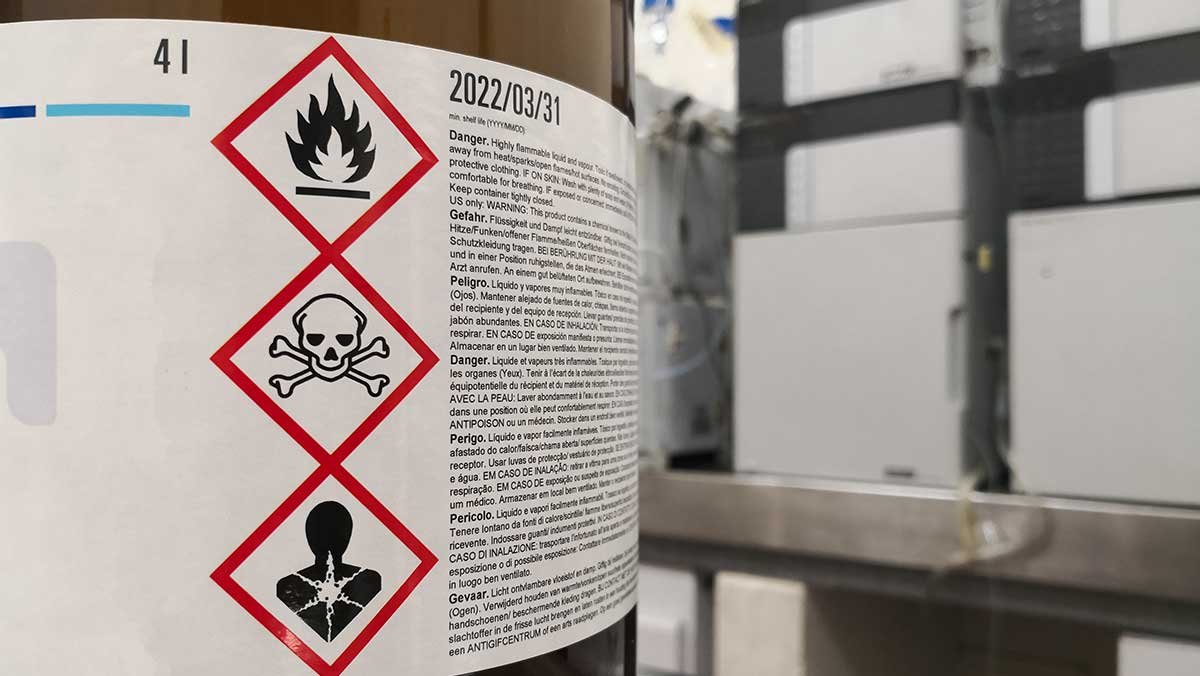
Right off the bat, the look of a GHS label might seem overwhelming. Yet underneath, just several core pieces connect to make it work.
1. Product Identifier
Start with this. What’s written here – the word or figure – shows what lives in the box. Think of it like a label that points straight to the truth. Check it against the SDS without guessing. Clarity matters most when nothing’s left unclear.
2. Signal Word
One word only – yet it holds so much. Still, its meaning presses hard.
Danger signals something far riskier than other warnings suggest. It points to threats that carry heavier consequences.
A yellow flag often means caution, not alarm. Still, it demands attention. Not an emergency – yet worth noticing. A nudge, rather than a shout. Important enough to pause, though not to panic.
Picture how a brand sounds when it speaks.
3. Hazard Statements
What you see tells you what to watch for. Phrases such as “Causes skin irritation” stay fixed. A label reading “Highly flammable liquid” won’t shift over time. Because they remain steady, trust builds. Predictability turns them into dependable warnings.
4. Precautionary Statements
Here’s what happens next. Staying protected means thinking ahead. Gloves on? That helps. Breathing in fumes? Better skip that. Keep it somewhere cold instead of warm spots. When things get busy, these steps make a difference.
5. Pictograms
Red diamonds stand out first. Look at one – suddenly you’re alert. Flame means fire risk. Skull hints at poison. That mark with a shout inside? Warns of harm right away.
6. Supplier Information
One person built it. When problems show up, that is who gets contacted. Clear lines mean no guessing about responsibility.
It clicks when the parts are seen as one connected whole instead of being split apart.
Where Most Workplaces Struggle
Here’s the truth: most issues with GHS labeling don’t come from misunderstanding the rules. They come from execution.
Labels fade.
Printers fail.
Secondary containers get overlooked.
Updates don’t get applied consistently.
Sound familiar?
This is where many operations fall into a reactive cycle. Fixing labels only when something goes wrong. Scrambling during audits. Relying on manual processes that leave too much room for error.
And that’s exhausting. Not to mention risky.
Making GHS Labeling Actually Work
So how do you move from “we’re trying” to “this runs smoothly”?
Start with visibility.
If your team can’t easily access accurate label data, everything slows down. Centralized systems—where label templates, SDS information, and compliance updates live together—change the game. No more digging through files or second-guessing versions.
Then, think about consistency.
Every label should follow the same structure, no matter where it’s printed. Whether it’s a primary container or a secondary one on the shop floor, the format shouldn’t change. That familiarity builds confidence. Workers don’t have to relearn anything.
Next, automation.
Manual labeling processes are fragile. One small mistake can ripple across the system. Automated labeling solutions—especially those integrated with inventory or ERP systems—ensure that the right label gets printed every time, with the correct data.
This is where companies like Lowry Solutions come into the picture. Not just offering software, but building systems that connect labeling with your broader operations. Inventory, tracking, compliance—they all speak to each other. And when that happens, labeling stops being a bottleneck.
Don’t Forget the Human Side
A great setup means nothing when confusion or doubt takes hold among those using it. Without belief in how things work, even smart plans fade fast.
Practice sticks. Not the sort you lose by next Tuesday.
Start with everyday situations. Picture someone on site checking a label, turning it over in their hands. One glance should tell them the risk – no guessing. Imagine a leak on the floor. Is the danger clear right away? Suppose they pause, squint at the words. What happens next depends on that moment. Clarity saves time when every second counts.
What really counts isn’t found on a list. It lives in the things we keep asking ourselves.
Keep talking. What feels safe today might shift tomorrow. Labels change just like that. Not fixed, never still.
A Safer Workplace Begins With a Clear Understanding
What really matters with GHS labels isn’t following laws. Clarity is what counts. Instead of red tape, think clear messages.
Clear information.
Clear risks.
Clear actions.
Done well, a label fades quietly behind the scenes – its silence speaks only of how smoothly it fits. Not ignored, just effortless.
That’s the goal.
Getting there isn’t about complicated steps. What matters are solid routines, steady effort, because safety only works when it’s part of daily actions – more than paperwork on a shelf.
Next up, when you move through your space, pause near the tags. Watch how they catch light, wear down, fade – see what’s really there.
Could there be more behind what they’re saying?
Maybe it happens without planning. Contact Lowry Solutions.
FAQs
1. What is GHS labeling?
A global system that standardizes how chemical hazards are communicated through labels and safety data sheets.
2. What are the key elements of a GHS label?
Product identifier, signal word, hazard statements, precautionary statements, pictograms, and supplier information.
3. Why is GHS labeling important?
It ensures safety, reduces accidents, and helps organizations meet regulatory requirements.
4. What common problems occur with GHS labeling?
Faded labels, inconsistent updates, manual errors, and missing labels on secondary containers.
5. How can workplaces improve GHS labeling?
By using centralized systems, ensuring consistency, automating labeling processes, and training employees effectively.






No Comment! Be the first one.