




Saudi Arabia’s Premium Home Décor Shift: Growth Drivers and Emerging Consumer Trends
Saudi Arabia is witnessing a notable transformation in its home décor landscape, driven by evolving consumer lifestyles, rising disposable incomes, and a growing preference for premium living spaces....

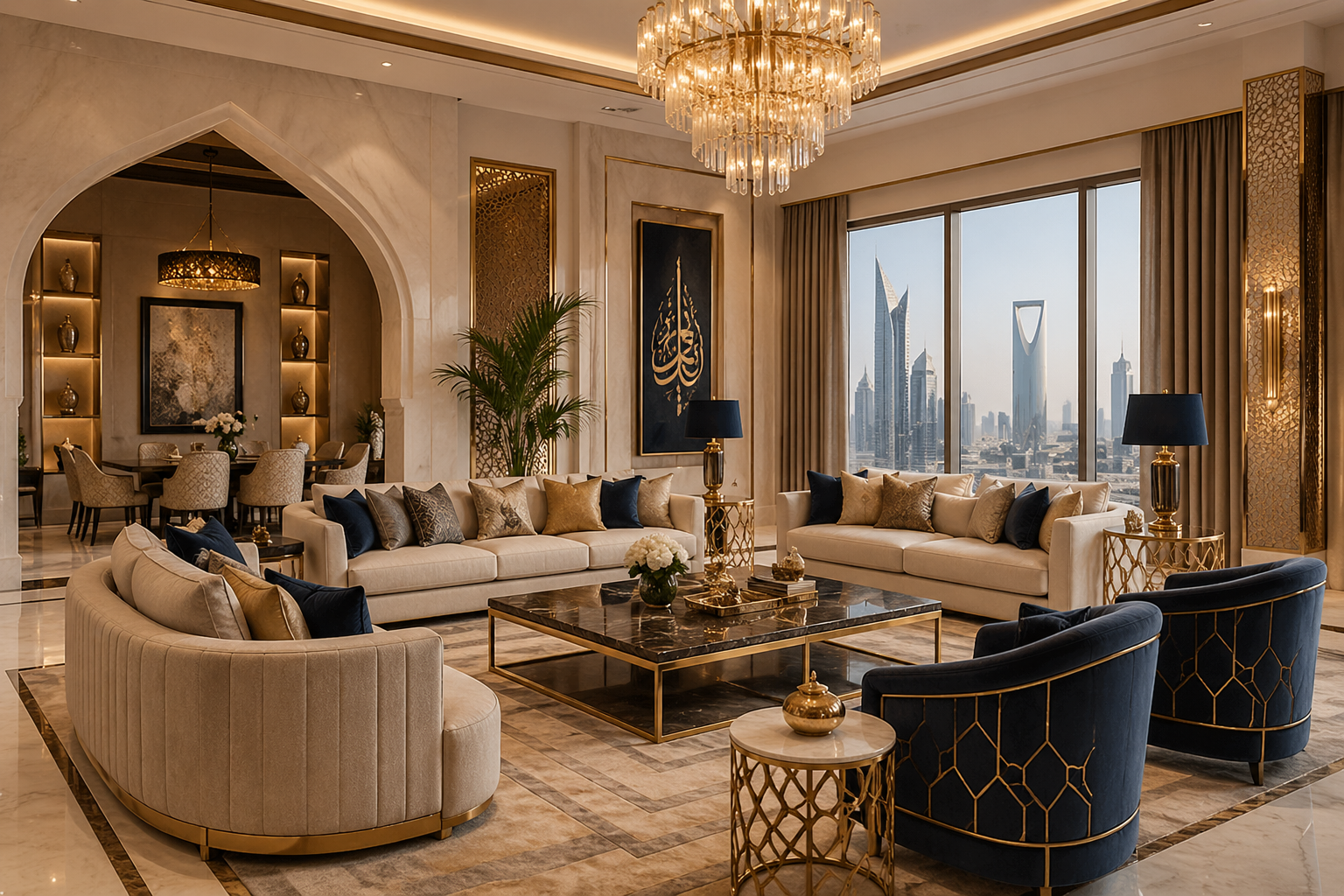
Saudi Arabia is witnessing a notable transformation in its home décor landscape, driven by evolving consumer lifestyles, rising disposable incomes, and a growing preference for premium living spaces. Luxury furniture, once considered a niche segment, is steadily gaining traction as urban households seek aesthetics, functionality, and exclusivity in their interiors.
Top Content
- Rising Affluence and Changing Consumer Preferences
- Impact of Real Estate and Hospitality Expansion
- Influence of Global Design Trends and Imports
- Digital Transformation and E-commerce Growth
- Sustainability and Material Innovation
- Challenges in the Premium Furniture Segment
- Future Outlook and Industry Evolution
This shift is further influenced by rapid urban development and ambitious national initiatives such as Vision 2030, which aim to diversify the economy and enhance living standards. As a result, the demand for high-end furniture solutions is expanding across residential, hospitality, and commercial sectors, reshaping the broader interior design ecosystem in the country.
According to insights from the Saudi Arabia luxury furniture industry analysis, the sector is projected to grow at a notable pace during the forecast period, supported by increasing investments in real estate and premium housing developments. Government-backed infrastructure projects and tourism expansion are also contributing to sustained demand for upscale furnishings.
Rising Affluence and Changing Consumer Preferences
One of the primary factors influencing the demand for luxury furniture in Saudi Arabia is the rise in disposable income among middle- and high-income households. Consumers are increasingly prioritizing quality and design over cost, leading to higher adoption of premium furnishings that reflect personal style and social status.
Additionally, there is a growing inclination toward customized and bespoke furniture solutions. Consumers prefer unique designs that align with modern aesthetics while maintaining cultural relevance. This shift has encouraged both local and international brands to offer tailored products catering to specific consumer needs.
Organizations such as the Saudi Vision 2030 initiative highlight the government’s focus on improving quality of life, which indirectly fuels demand for better living environments and premium home furnishings.
Impact of Real Estate and Hospitality Expansion
The expansion of residential and commercial infrastructure is another key growth driver. Mega projects, including smart cities and luxury residential complexes, are creating a strong demand for high-end interior solutions. These developments require sophisticated furniture designs that align with contemporary architecture and global design trends.
The hospitality sector also plays a crucial role. With Saudi Arabia positioning itself as a global tourism hub, luxury hotels, resorts, and serviced apartments are investing heavily in premium interiors to attract international visitors. This has significantly increased the demand for designer furniture and high-quality décor elements.
According to the Ministry of Municipal and Rural Affairs and Housing, ongoing urban development projects are expected to reshape housing and commercial infrastructure, further supporting demand for premium furnishings.
Influence of Global Design Trends and Imports
Saudi Arabia’s luxury furniture sector is heavily influenced by international design trends, particularly from Europe and North America. Consumers often prefer imported products known for craftsmanship, durability, and innovative design.
This has led to increased presence of global furniture brands in the Saudi market, either through direct retail operations or partnerships with local distributors. At the same time, local manufacturers are adapting by integrating modern techniques and materials to remain competitive.
The Organisation for Economic Co-operation and Development (OECD) notes that globalization and trade openness have facilitated the flow of high-end consumer goods, including luxury furniture, into emerging markets like Saudi Arabia.
Digital Transformation and E-commerce Growth
The adoption of digital platforms is reshaping how consumers explore and purchase luxury furniture. Online retail channels provide access to a wide range of products, enabling customers to compare designs, prices, and features conveniently.
Virtual showrooms, augmented reality (AR) tools, and personalized recommendations are enhancing the shopping experience, making it easier for consumers to visualize furniture within their spaces. This technological integration is particularly appealing to younger, tech-savvy buyers.
Reports from the Statista digital market outlook suggest that e-commerce penetration in Saudi Arabia continues to grow steadily, supporting online sales of premium furniture products.
Sustainability and Material Innovation
Sustainability is becoming an increasingly important consideration among consumers. There is a rising demand for eco-friendly materials, ethically sourced wood, and furniture designs that minimize environmental impact.
Manufacturers are responding by adopting sustainable production practices and introducing recyclable or biodegradable materials. This trend aligns with global environmental goals and resonates with environmentally conscious consumers in Saudi Arabia.
Institutions like the United Nations Environment Programme (UNEP) emphasize sustainable consumption and production patterns, which are influencing industries worldwide, including furniture manufacturing.
Challenges in the Premium Furniture Segment
Despite strong growth prospects, the sector faces certain challenges. High import costs, fluctuating raw material prices, and supply chain disruptions can impact product pricing and availability. Additionally, intense competition from both local and international players requires continuous innovation and differentiation.
Another challenge lies in balancing traditional design preferences with modern aesthetics. While younger consumers lean toward contemporary styles, there remains a segment that values classic, culturally inspired designs, requiring brands to cater to diverse tastes.
Future Outlook and Industry Evolution
The luxury furniture landscape in Saudi Arabia is expected to evolve further as consumer expectations continue to rise. The integration of smart furniture, multifunctional designs, and advanced materials is likely to shape the next phase of growth.
Moreover, ongoing investments in infrastructure, tourism, and residential development will continue to create opportunities for premium furniture providers. As the market matures, brands that focus on innovation, customization, and sustainability are expected to gain a competitive edge.
Overall, the sector reflects broader socio-economic changes within the country, highlighting a shift toward modern living standards and enhanced quality of life. This transformation positions Saudi Arabia as a significant contributor to the global luxury furniture landscape.