Commercial truck fleets face a variety of security challenges every day. From cargo theft and fuel theft to vehicle break ins and battery theft, fleet operators must protect valuable assets while keeping operations running smoothly. As transportation businesses continue to grow, security becomes more important than ever.
Many fleet owners focus heavily on maintenance, compliance, and fuel management. While those areas are critical, vehicle security should never be overlooked. A single theft incident can lead to costly repairs, vehicle downtime, missed deliveries, and unhappy customers.
Investing in the right security equipment helps reduce risk, protect assets, and improve fleet reliability. This guide explains the most important security equipment commercial truck fleets should consider and why each plays a role in protecting vehicles and business operations.
Why Fleet Security Matters
Commercial trucks carry valuable components and equipment. Batteries, fuel, tools, electronics, and cargo can all become targets for criminals.
The financial impact of theft goes far beyond the cost of replacing stolen items. Fleet operators may also face:
- Downtime
- Delayed deliveries
- Lost revenue
- Emergency repair costs
- Increased insurance claims
- Administrative expenses
Strong security measures help minimize these risks while supporting long term business stability.
Security Cameras
Video surveillance is one of the most effective tools for fleet security.
Security cameras provide both deterrence and documentation. Criminals are less likely to target vehicles in areas where they know they are being recorded.
Fleet operators can install cameras at:
- Parking yards
- Maintenance facilities
- Loading areas
- Entry gates
- Storage locations
Modern camera systems often include remote monitoring capabilities, allowing managers to view activity in real time.
While cameras cannot physically stop theft, they significantly improve overall security and help investigate incidents when they occur.
Controlled Access Systems
Limiting access to fleet facilities is another important layer of protection.
Controlled access systems can include:
- Security gates
- Keycard entry systems
- Access codes
- Visitor management procedures
Restricting entry helps reduce opportunities for unauthorized individuals to access vehicles and equipment.
Knowing who enters and exits a facility creates accountability and improves overall site security.
GPS Tracking Systems
GPS tracking technology provides visibility into vehicle locations at all times.
Benefits include:
- Vehicle recovery assistance
- Route monitoring
- Driver accountability
- Theft detection
If a truck is stolen, GPS systems can help authorities locate and recover it more quickly.
Many fleet operators now consider GPS tracking an essential component of their overall security strategy.
Fuel Security Solutions
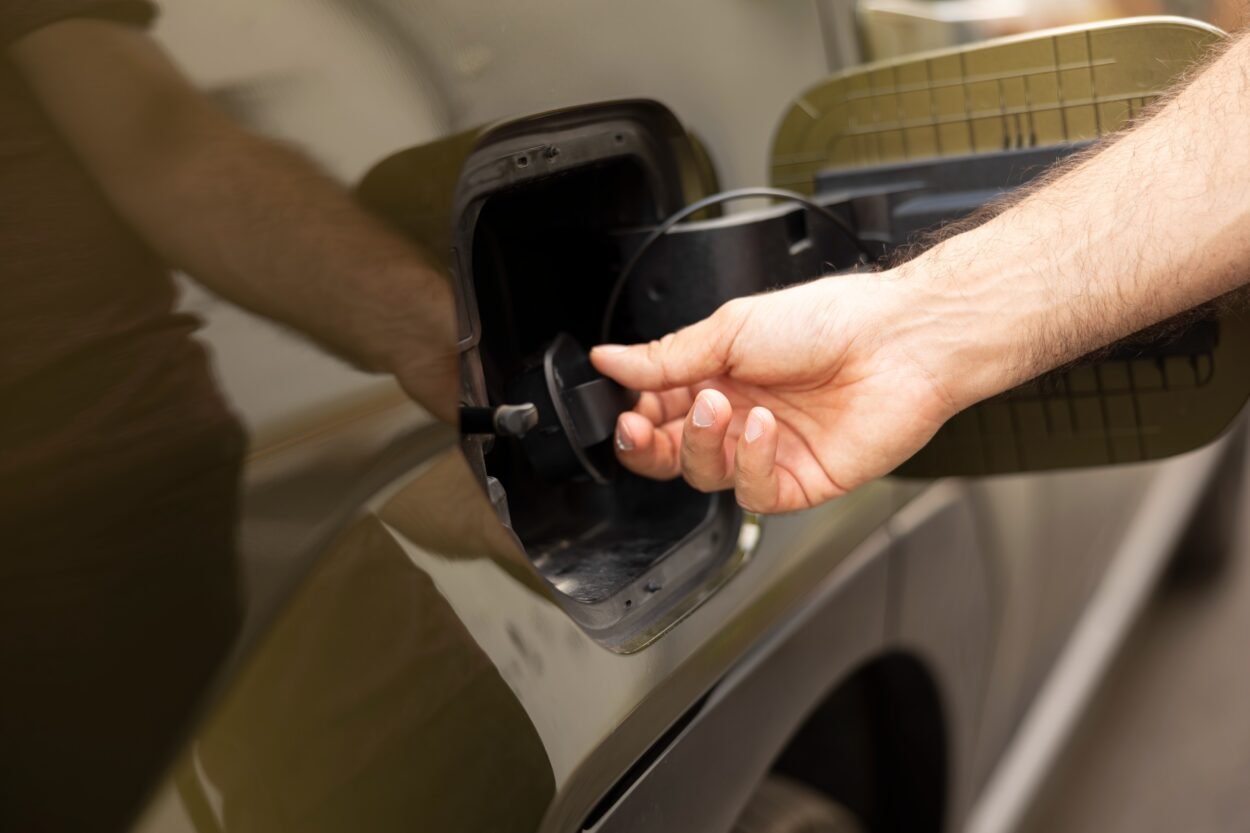
Fuel theft remains a significant problem throughout the transportation industry.
Large commercial vehicles often carry substantial amounts of fuel, making them attractive targets.
Fuel security measures may include:
- Locking fuel caps
- Fuel monitoring systems
- Fuel tank alarms
- Secure fueling procedures
Protecting fuel supplies helps control operating costs and reduce losses.
Cargo Security Equipment
Cargo often represents the most valuable asset on a truck.
Protecting freight requires dedicated security measures such as:
- High security trailer locks
- Cargo seals
- Door sensors
- Surveillance systems
Cargo protection helps prevent theft while maintaining customer confidence.
Secure cargo handling procedures should be part of every fleet security program.
Vehicle Alarm Systems
Modern alarm systems provide another layer of protection.
Truck alarm systems can detect:
- Unauthorized entry
- Door openings
- Movement
- Vibration
- Tampering
Audible alarms attract attention and increase the likelihood that criminals will abandon theft attempts.
Alarm systems work especially well when combined with other security measures.
Battery Protection Systems
Truck batteries are among the most frequently stolen vehicle components.
Commercial trucks often use multiple batteries, increasing their value and making them attractive targets.
Battery theft can result in:
- Vehicle downtime
- Emergency repairs
- Delayed deliveries
- Additional labor expenses
This is why many fleet operators install a battery anti-theft device to help prevent unauthorized battery removal.
Visible battery protection often discourages thieves before they attempt access.
Security Lighting
Lighting plays a critical role in theft prevention.
Poorly lit areas provide opportunities for criminals to operate unnoticed.
Fleet facilities should ensure that:
- Parking areas are well illuminated
- Entry points are visible
- Vehicle storage locations have adequate lighting
Good lighting improves visibility for both employees and surveillance systems.
Even simple lighting upgrades can significantly improve overall security.
Driver Security Training
Security equipment alone is not enough.
Drivers must understand how to protect vehicles and recognize potential threats.
Training topics should include:
- Parking best practices
- Vehicle inspections
- Theft awareness
- Incident reporting
- Security procedures
Well trained drivers help strengthen every other aspect of the security program.
Human awareness remains one of the most effective theft prevention tools available.
Parking Lot Security Measures
Fleet parking areas should be designed with security in mind.
Important features include:
- Fencing
- Controlled access
- Surveillance cameras
- Security lighting
- Regular patrols
The goal is to create an environment that discourages criminal activity and protects vehicles when not in use.
Parking security is often the first line of defense against theft.
Battery Security Bars
Physical battery protection remains one of the most effective ways to reduce battery theft.
Many fleet operators use an anti theft battery lock bar because it creates a strong barrier that makes battery removal more difficult.
Criminals generally prefer easy opportunities.
When batteries are protected by durable security equipment, thieves often move on to less secure targets.
Physical security systems increase the time and effort required for theft attempts, which improves overall protection.
Fleet Security Policies
Equipment works best when supported by clear policies.
Fleet security policies should address:
- Parking requirements
- Inspection schedules
- Access control procedures
- Incident reporting
- Driver responsibilities
Written guidelines help ensure consistency throughout the organization.
Strong policies support stronger security outcomes.
Routine Security Inspections
Security equipment should be inspected regularly.
Fleet operators should check:
- Locks
- Cameras
- Gates
- Alarm systems
- Battery protection equipment
Routine inspections help identify problems before they become vulnerabilities.
Preventive maintenance improves both equipment performance and overall security effectiveness.
Theft Reporting Procedures
Every fleet should establish clear reporting procedures.
Drivers and employees should know:
- Who to contact
- What information to provide
- How to document incidents
- When reports must be submitted
Fast reporting improves response times and supports investigations.
Effective communication is an important part of fleet security management.
Multi Layer Security Is Most Effective
No single security tool can eliminate all risks.
The strongest fleet security programs combine multiple layers of protection.
Examples include:
- Cameras
- Access control
- Lighting
- GPS tracking
- Driver training
- Physical locks
- Battery protection systems
Each layer makes it more difficult for criminals to succeed.
Layered security also reduces reliance on any single piece of equipment.
The Long Term Benefits of Fleet Security Investments
Security investments provide value beyond theft prevention.
Benefits may include:
- Reduced downtime
- Lower replacement costs
- Improved fleet reliability
- Better customer service
- Increased driver confidence
- Stronger asset protection
Fleet operators who prioritize security often experience fewer disruptions and more predictable operations.
These advantages contribute directly to long term business success.
Choosing the Right Security Equipment
Every fleet has different requirements.
Factors to consider include:
- Fleet size
- Operating environment
- Vehicle types
- Security risks
- Budget considerations
The best approach is to evaluate vulnerabilities and select equipment that addresses specific needs.
Security should be viewed as an ongoing process rather than a one time purchase.
Final Thoughts
Commercial truck fleets face numerous security challenges, making proper protection essential for long term success. Theft can impact productivity, increase operating costs, and damage customer relationships.
Investing in security cameras, access control systems, GPS tracking, alarm systems, lighting, cargo protection, and battery security helps reduce these risks. A battery anti-theft device can help protect valuable truck batteries, while an anti theft battery lock bar adds another strong layer of physical security.
The most effective fleet security programs combine technology, physical protection, employee training, and operational procedures. By taking a proactive approach, fleet operators can protect assets, reduce losses, and keep vehicles operating efficiently every day.
Leave a Comment