




How to Choose a Sleeping Bag That Actually Fits Your Comfort Needs
Getting a good night’s sleep outdoors can make or break your entire camping experience. Whether you’re backpacking through the mountains or enjoying a relaxed weekend at a campsite, choosing the...

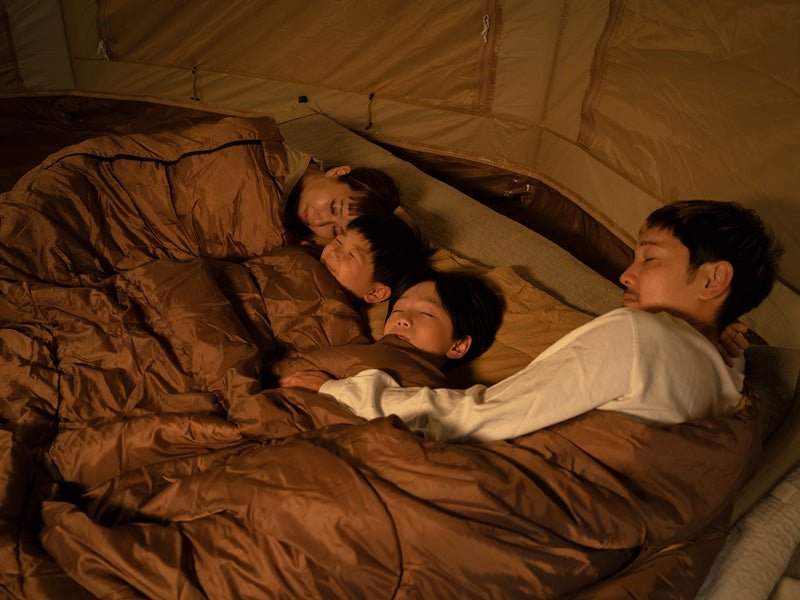
Getting a good night’s sleep outdoors can make or break your entire camping experience. Whether you’re backpacking through the mountains or enjoying a relaxed weekend at a campsite, choosing the right Wide Sleeping Bag is essential for comfort, warmth, and overall satisfaction. With so many options available, it’s easy to feel overwhelmed—but with the right guidance, you can find a sleeping bag that truly meets your needs.
Top Content
- Why the Right Sleeping Bag Matters
- Key Factors to Consider Before Buying
- 1. Size and Shape
- 2. Temperature Rating
- Materials and Insulation
- Down vs. Synthetic Fill
- Outer Fabric and Lining
- Comfort Features That Make a Difference
- 1. Extra Width and Length
- 2. Zippers and Ventilation
- 3. Hood and Draft Collar
- Weight and Portability
- Durability and Brand Trust
- Common Mistakes to Avoid
- 1. Ignoring Fit
- 2. Choosing Based on Looks Alone
- 3. Not Testing Comfort Features
- Conclusion
- FAQs
- 1. What size sleeping bag should I choose?
- 2. Are wide sleeping bags better for camping?
- 3. How do I know if a sleeping bag is warm enough?
Why the Right Sleeping Bag Matters
A sleeping bag is more than just a piece of gear—it’s your personal comfort zone in the outdoors. The wrong choice can leave you cold, cramped, or restless. A well-chosen sleeping bag ensures proper insulation, enough space to move, and materials suited to your environment.
From my experience working with outdoor gear and camping enthusiasts, one of the most common mistakes people make is focusing only on price instead of comfort and functionality. Investing in the right sleeping bag improves sleep quality, which directly impacts your energy and performance the next day.
Key Factors to Consider Before Buying
1. Size and Shape
Sleeping bags come in different shapes such as mummy, rectangular, and semi-rectangular. If you prefer more room to stretch, a wider design is ideal. A Wide Sleeping Bag offers extra space for side sleepers or those who don’t like feeling restricted.
- Mummy bags: Best for warmth and weight savings
- Rectangular bags: Best for comfort and space
- Wide options: Perfect for added freedom and movement
2. Temperature Rating
Always check the temperature rating before buying. This indicates the lowest temperature at which the bag can keep you warm.
- Summer bags: 35°F and above
- 3-season bags: 15°F to 35°F
- Winter bags: Below 15°F
Choose based on the coldest conditions you expect—not just average weather.
Materials and Insulation
Down vs. Synthetic Fill
- Down insulation: Lightweight, highly compressible, and warm—but expensive and less effective when wet
- Synthetic insulation: More affordable, dries quickly, and performs better in damp conditions
Outer Fabric and Lining
Look for durable, water-resistant outer shells and soft inner linings for comfort. Breathability is also important to prevent moisture buildup inside the bag.
Comfort Features That Make a Difference
1. Extra Width and Length
If you toss and turn at night, a mid-range or wide option can drastically improve your sleep quality. Comfort isn’t just about warmth—it’s also about space.
2. Zippers and Ventilation
High-quality zippers with anti-snag features make a big difference. Some sleeping bags also include ventilation options, allowing you to regulate temperature easily.
3. Hood and Draft Collar
For colder conditions, a hood and draft collar help retain heat and prevent cold air from entering.
Weight and Portability
If you’re backpacking, weight matters. Look for lightweight and compact sleeping bags that are easy to carry. However, don’t sacrifice comfort entirely for portability—balance is key.
For car camping or short trips, you can prioritize comfort over weight and choose a slightly heavier but more spacious option.
Durability and Brand Trust
Choosing gear from a trusted brand ensures reliability and safety. Look for:
- Positive customer reviews
- Transparent product specifications
- Warranty or satisfaction guarantees
Brands that specialize in outdoor equipment often design their products based on real user experiences, which enhances trustworthiness and performance.
Common Mistakes to Avoid
1. Ignoring Fit
A sleeping bag that’s too tight or too loose won’t perform well. Proper fit ensures better insulation and comfort.
2. Choosing Based on Looks Alone
Style is secondary—focus on function first.
3. Not Testing Comfort Features
If possible, check how the bag feels before buying or read detailed reviews.
Conclusion
Choosing the right sleeping bag is all about balancing comfort, warmth, and practicality. A well-designed Wide Sleeping Bag can significantly improve your outdoor experience by giving you the space and support you need for restful sleep. Always consider size, insulation, temperature rating, and overall build quality before making a decision.
In summary, focus on comfort, durability, and space when selecting your gear. A Wide Sleeping Bag, a reliable design, and the right material choice will ensure you stay warm and relaxed on every adventure.
Explore premium sleeping bags from DOD Outdoors
FAQs
1. What size sleeping bag should I choose?
Choose a sleeping bag that fits your height and allows some extra room for movement. Wider options are great for added comfort.
2. Are wide sleeping bags better for camping?
Yes, they provide more space and are ideal for people who move a lot during sleep or prefer less restriction.
3. How do I know if a sleeping bag is warm enough?
Check the temperature rating and compare it with the expected weather conditions of your trip. Always prepare for slightly colder temperatures than expected.