




Can Correct Posture Improve Your Daily Comfort Today?
Small Shifts, Big DifferencesMost people go through their day without thinking about how they sit, stand, or move. Yet these small habits quietly shape how the body feels. When posture is off,...

Small Shifts, Big Differences
Most people go through their day without thinking about how they sit, stand, or move. Yet these small habits quietly shape how the body feels. When posture is off, discomfort can slowly build up in the neck, shoulders, and back. Focusing on correct posture is a simple but powerful way to feel better in everyday life. It doesn’t require drastic effort—just awareness and a few steady changes.
What Correct Posture Really Looks Like
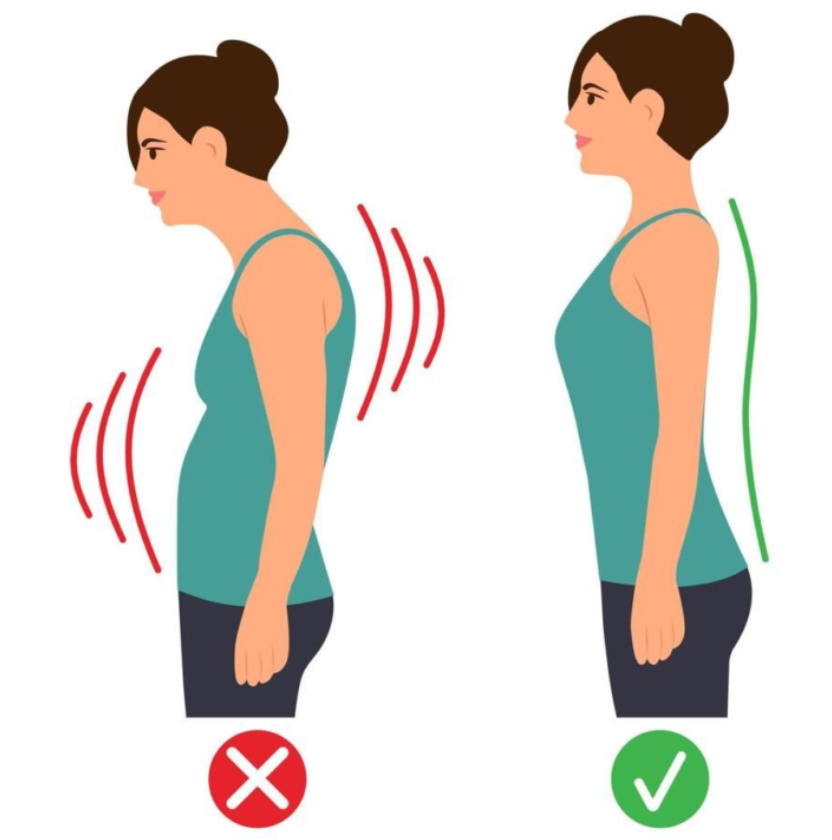
Correct posture is not about being stiff or overly straight. It’s about natural alignment where your head sits comfortably over your shoulders, and your spine maintains its gentle curves. Your body should feel balanced, not forced. When you practice correct posture, your muscles and joints work together more efficiently, reducing unnecessary strain.
Why Posture Often Gets Ignored
In today’s busy lifestyle, posture is rarely a priority. Long hours at desks, scrolling on phones, and relaxing on soft furniture can all encourage slouching. Over time, these habits become automatic. Many people only notice posture when pain or stiffness appears. By then, the body has already adapted to less supportive positions.
Early Signs of Poor Posture
Your body usually sends signals before posture becomes a bigger issue. You might feel tightness in your shoulders, an aching lower back, or stiffness in your neck. Some people also notice fatigue after sitting for long periods. These signs are gentle reminders that your body needs better alignment. Addressing them early can help you return to correct posture more easily.
How Correct Posture Supports Everyday Activities
When your posture is aligned, even simple tasks feel easier. Walking becomes smoother, sitting feels less tiring, and standing requires less effort. Your body uses energy more efficiently, which can leave you feeling less drained. Over time, maintaining correct posture can also support better balance and coordination.
The Impact of Sitting on Your Posture
Sitting is one of the biggest challenges when it comes to posture. Many people lean forward, round their shoulders, or slump into their chairs. This puts extra pressure on the spine and surrounding muscles. To support correct posture while sitting, keep your back straight, shoulders relaxed, and feet flat on the floor. Adjust your chair and screen height so your body doesn’t have to strain.
Standing with Better Alignment
Standing may seem simple, but posture still matters. Leaning to one side or locking your knees can create imbalance. Try to distribute your weight evenly on both feet and keep your head aligned with your spine. Relax your shoulders and avoid pushing your hips forward. These small adjustments can help you maintain correct posture while standing for longer periods.
The Role of Muscle Strength
Strong muscles make it easier to hold proper posture. Your core, back, and shoulders play a key role in supporting your spine. Without enough strength, your body may naturally fall into less supportive positions. Simple exercises like planks, light resistance training, and bodyweight movements can help build the strength needed for correct posture.
Stretching to Balance the Body
Tight muscles can pull your body out of alignment, making it harder to maintain good posture. Stretching helps release this tension and restore balance. Areas like the chest, hips, and shoulders often become tight due to daily habits. Regular stretching can support your efforts to achieve and maintain correct posture without discomfort.
How Daily Habits Shape Your Posture
Posture is not just about one moment—it’s about what you do throughout the day. The way you use your phone, carry bags, or sit while eating all contribute to your alignment. Being mindful of these small actions can help you make better choices. Over time, these adjustments become natural and support correct posture without extra effort.
Using Technology More Mindfully
Devices like phones and laptops can easily pull your body into poor positions. Looking down at a screen for long periods strains your neck and upper back. Try to bring your screen to eye level and take regular breaks. Even short pauses to stretch or stand can help reset your posture and reduce tension.
Building Awareness Step by Step
Improving posture starts with awareness. Check in with your body throughout the day. Notice if your shoulders are tense or if you’re slouching. Gently correct your position without forcing it. These small moments of awareness help train your body to return to correct posture more naturally over time.
Creating a Simple Posture-Friendly Routine
You don’t need a complicated plan to improve posture. Start your day with a few gentle stretches, stay active during the day, and take breaks from sitting. Focus on maintaining good alignment in everyday activities. A simple, consistent routine can gradually help you build and maintain correct posture.
Long-Term Benefits You Can Expect
With time, maintaining correct posture can lead to noticeable improvements. You may experience less discomfort, better movement, and increased energy. Your body feels more balanced, and daily tasks become easier. Good posture can also influence how you carry yourself, adding a sense of confidence to your presence.
Overcoming Challenges Along the Way
Changing posture habits can take time, especially if poor habits have been there for years. It’s normal to forget or slip back into old patterns. The key is to stay patient and keep making small corrections. Setting reminders or adjusting your environment can make it easier to stay consistent with correct posture.
Conclusion: A Gentle Path to Better Alignment
Correct posture is not about perfection—it’s about making small, mindful changes that support your body. By staying aware, strengthening your muscles, and adjusting daily habits, you can improve how you sit, stand, and move. Over time, these efforts lead to greater comfort, better balance, and a healthier way of living.