


Marble Surface Costs and Style Ideas for Kitchen Spaces
Thinking about upgrading your kitchen? You’re not alone. More Milwaukee homeowners are choosing marble for their kitchens. It looks stunning. It adds real value. And it never goes out of style....

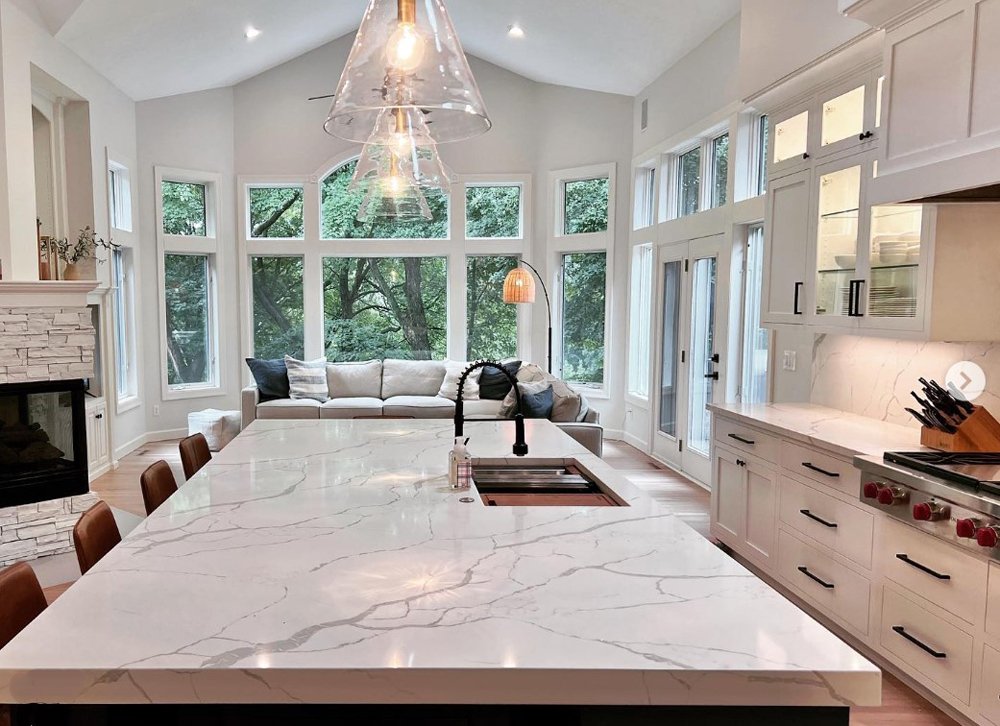
Thinking about upgrading your kitchen? You’re not alone. More Milwaukee homeowners are choosing marble for their kitchens. It looks stunning. It adds real value. And it never goes out of style.
Table Of Content
- Understanding Marble as a Kitchen Surface
- Marble Surface Costs Breakdown
- A. Factors That Affect Pricing
- B. Cost by Application
- C. Installation Costs
- D. Budget Ranges
- E. Understanding the Full Cost Picture
- Marble Style Ideas for Kitchen Spaces
- A. Color Palettes That Work
- B. Kitchen Design Styles
- C. Layout and Pattern Ideas
- Choosing the Right Marble for Your Kitchen
- Maintenance and Long-Term Value
- Marble Alternatives Worth Considering
- Hiring the Right Specialist
- Conclusion
But before you commit, you need two things: a clear idea of the costs and a style direction that fits your home.
This guide covers both. Whether you’re planning a full kitchen renovation or just replacing worn surfaces, this is worth reading before you spend a single dollar.
If you’ve been researching marble kitchen countertops, you already know the options can feel overwhelming. Different marble types. Different price points. Different finishes. It’s a lot to process.
That’s exactly why we put this together to simplify your decision and help you move forward with confidence.
Understanding Marble as a Kitchen Surface
Marble is a natural stone. It forms deep underground over millions of years. That’s part of what makes it so special.
No two slabs are ever exactly the same. Each one has its own veining, its own character. That uniqueness is what draws people to it.
Common marble types used in kitchens:
- Carrara: Light grey with soft veining. Very popular and widely available.
- Calacatta: Bright white with bold veining. More premium and eye-catching.
- Statuario: Rare and luxurious. Thick dramatic veins on a white background.
- Emperador: Rich brown tones. Great for warmer kitchen styles.
Pros of marble in the kitchen:
- Beautiful and timeless
- Naturally cool surface great for baking
- Adds strong resale value
- Available in a wide range of styles
Cons to keep in mind:
- Requires regular sealing
- Can scratch or stain if not maintained
- Higher upfront cost than some alternatives
Knowing the pros and cons upfront saves you from surprises later.
Marble Surface Costs Breakdown
A. Factors That Affect Pricing
Marble pricing isn’t random. Several things push the cost up or down.
Marble type and rarity Carrara is more affordable. Calacatta and Statuario cost significantly more.
Slab size and thickness Thicker slabs cost more. Larger kitchens need more material.
Edge finishing A basic straight edge is cheaper. Beveled or ogee edges add to the total.
Your location Prices in Milwaukee may differ from national averages. Local suppliers and shipping costs play a role.
Always get at least three quotes from local contractors. It gives you leverage and a realistic picture of what’s fair.
B. Cost by Application
Different surfaces carry different price tags.
| Surface Area | Estimated Cost Range |
| Countertops | $60 – $180 per sq ft |
| Backsplash | $30 – $100 per sq ft |
| Kitchen Island | $500 – $3,000+ total |
| Flooring | $10 – $20 per sq ft (tile) |
These are general ranges. Your actual cost depends on the marble you choose and the size of your kitchen.
C. Installation Costs
Don’t forget labor. It’s a big part of the total budget.
In Milwaukee, professional installation typically adds $35 – $85 per square foot on top of material costs. That includes cutting, fitting, and securing the slabs.
Removing your old countertops? Add another $300 – $600 depending on the material.
Sealing is usually done after installation. Some contractors include it. Others charge separately. Always ask upfront.
D. Budget Ranges
Here’s a simple breakdown to guide your planning:
- Budget-friendly: Carrara marble, thinner slabs, simple edges — $60 – $90/sq ft total installed
- Mid-range: Calacatta or honed finishes, standard thickness — $100 – $140/sq ft
- Premium/Luxury: Statuario, custom edges, bookmatched slabs — $150 – $200+/sq ft
Knowing your budget range before you talk to a contractor saves time and frustration.
E. Understanding the Full Cost Picture
This is where many homeowners get caught off guard.
When people first search for marble cost per square foot, they often see lower numbers. Those numbers are usually just the material cost not installed.
The full picture includes the stone, labor, edge work, sealing, and sometimes demo. Once you add it all up, a typical Milwaukee kitchen countertop project can run anywhere from $2,500 to $8,000+.
That’s not meant to scare you. It’s meant to help you plan honestly.
A mid-size kitchen with around 40 square feet of counter space, using Carrara marble with standard installation, usually falls in the $3,500 – $5,000 range in the Milwaukee area.
Marble Style Ideas for Kitchen Spaces
A. Color Palettes That Work
Color sets the entire mood of your kitchen.
White and grey marble This is the classic choice. It works in almost every kitchen. Light, clean, and timeless.
Black marble Bold and dramatic. Works beautifully in modern kitchens with white cabinets. High contrast always catches the eye.
Beige and warm tones Think Emperador or Crema Marfil. These create a warm, inviting feel. Perfect for traditional Milwaukee homes.
Start with your cabinet color. Then find a marble that complements not competes.
B. Kitchen Design Styles
Marble fits into more styles than most people realize.
Modern kitchens Go with a polished Calacatta slab and flat-panel cabinets. Clean lines. Minimal clutter.
Traditional kitchens Carrara with raised-panel cabinets feels timeless. Add brass or oil-rubbed bronze hardware.
Farmhouse kitchens Honed marble (matte finish) pairs perfectly with shaker cabinets and apron-front sinks.
Transitional kitchens Mix marble with warm wood accents. It bridges classic and contemporary beautifully.
Your kitchen style should reflect how you actually live not just what looks good in photos.
C. Layout and Pattern Ideas
How you use marble matters as much as which marble you choose.
Bookmatched slabs Two slabs are mirrored to create a symmetrical pattern. Stunning on a large island.
Waterfall edge islands The slab continues down the sides of the island. Very popular in Milwaukee kitchen remodels right now.
Herringbone backsplash Marble tile cut at angles and laid in a V-pattern. It adds visual energy without feeling busy.
Mixed materials Combine marble countertops with butcher block or open wood shelving. Warmth meets elegance.
Don’t feel pressured to use marble everywhere. Strategic placement often looks better and costs less.
Choosing the Right Marble for Your Kitchen
This comes down to three things: your style, your lifestyle, and your budget.
Match marble to your cabinets. White cabinets? Almost any marble works. Dark cabinets? Try white or light grey marble for contrast.
Think about how you cook. Do you bake a lot? Marble stays naturally cool; it’s ideal for pastry work. Do you cook with strong ingredients like turmeric or red wine? You’ll want to seal more frequently.
Honed vs. polished finish:
- Polished Shiny, reflective, dramatic. Shows fingerprints more easily.
- Honed Matte, soft, understated. Hides smudges better. More forgiving in busy kitchens.
Small kitchens Lighter marble opens up the space visually. Avoid overly busy veining — it can feel overwhelming.
Large kitchens Go bold. A statement slab with dramatic veining becomes a genuine focal point.
Maintenance and Long-Term Value
Marble needs care. But it’s not as high-maintenance as people think.
Sealing Seal your marble every 6–12 months. It protects against staining and moisture. This is non-negotiable for kitchen surfaces.
Daily cleaning: Use a soft cloth and mild dish soap. Avoid acidic cleaners like vinegar or lemon-based products. They’ll etch the surface.
Preventing damage:
- Use cutting boards always
- Wipe spills immediately, especially wine, coffee, and oils
- Use trivets under hot pots even though marble handles heat, thermal shock can cause cracking over time
Does marble add resale value? Yes consistently. Real estate agents in Milwaukee report that natural stone surfaces are a selling point. Buyers notice it. Appraisers factor it in.
It’s not just a surface. It’s an investment in your home.
Marble Alternatives Worth Considering
Marble isn’t for everyone. And that’s perfectly okay.
Quartz Engineered stone. Very durable, non-porous, low maintenance. Doesn’t require sealing. Costs are comparable to marble. Lacks the natural variation.
Porcelain marble-look tile A budget-friendly option. Modern printing technology makes it look surprisingly realistic. Great for backsplashes and floors.
Quartzite Natural stone like marble but much harder. More resistant to scratching and staining. Often confused with quartz (they’re different).
When alternatives make more sense:
- You have young children and a very active kitchen
- You cook frequently with staining ingredients
- Your budget is tight and durability is the priority
Being honest about how you use your kitchen will always lead to a smarter material choice.
Hiring the Right Specialist
Finding the right person for this job matters. A lot.
A poor installation can ruin even the most beautiful marble. Uneven seams. Cracked slabs. Improper sealing. These are real problems that happen when you hire without doing your homework.
What to look for:
- Proven experience with natural stone (not just tile)
- A portfolio of completed marble kitchen projects
- Clear, itemized quotes
- Positive reviews from Milwaukee homeowners specifically
Questions to ask before hiring:
- Have you worked with this specific type of marble before?
- What’s included in your installation quote?
- Do you handle sealing, or is that separate?
- What’s your timeline for a project this size?
Conclusion
Marble has been used in homes for centuries. It’s still one of the best choices you can make for a kitchen surface. Yes, it needs care. Yes, it has a cost. But what you get in return beauty, durability, and long-term home value is hard to match. Start with your budget. Then pick your style. Then find a specialist in Milwaukee who knows their craft.
You don’t need to figure all of this out alone. The right contractor will walk you through every decision from slab selection to final installation. Take your time. Ask the right questions. And invest in something that will still look stunning ten years from now.





No Comment! Be the first one.