



The Myth of “Safe” Colours in Home Design
Walk into ten newly designed homes today and chances are eight of them will look almost the same. Soft beige walls, pale grey floors, everything in the shade of white. It’s clean,...

Walk into ten newly designed homes today and chances are eight of them will look almost the same. Soft beige walls, pale grey floors, everything in the shade of white. It’s clean, it’s modern and it’s everywhere.
Top Content
We have been told for years that neutral colours are the safest choice. They are easy to style, easy to live in and a safe choice when everything feels overwhelming. And yes, colour psychology does suggest that opting for softer tones creates a sense of calm but here is the catch; safe doesn’t always mean beautiful. Because when every design choice is made to avoid risk, the space can quietly lose its personality. This kind of space that looks nice in photos but doesn’t feel appealing when you live in it.
Let’s break down some of the biggest myths around ‘safe’ colours and what actually works.
Myth #1: Neutrals Always Work Together
Solution: Not all neutrals are created equal and they can also differ from one material to another. Every shade carries an undertone, while some lean with hints of yellow or red while others feel cool with blue or grey bases. When these undertones clash, the space can subtly feel uncomfortable, even when everything looks neutral. The fix is simple but overlooked; always test your material in the same lighting. A cohesive palette isn’t just about picking colours but also about choosing tones that belong together.
Myth #2: Neutral Means Timeless
Solution: Neutral doesn’t always mean timeless. Trends exist within neutrals too like when everything looks white in space and later it looks more like a grey tone due to lighting and other factors. A truly lasting space comes from layering. Combine soft variations such as warm whites, muted taupes and gentle greys and opt for high-quality material that ages well. This way your space evolves naturally instead of feeling stuck in a particular design style.
Myth #3: Playing It Safe Prevents Mistakes
Solution: This is one of the biggest misconceptions. Ironically, playing it safe can create a different kind of mistake such as making the space dull or losing its personality. Neutrals require just as much thought as bold colours, if not more. With contrast or variation, everything blends into one continuous tone. Introduce small shifts – different finishes, subtle changes in shade or even a natural material to break the monotony of the space and bring back life.
Myth #4 Neutral Spaces Feel Calm Naturally
Solution: Calm isn’t about colour, it’s about balance. A room that’s too uniform can feel empty rather than relaxing. It’s important to add a focal point that can become the center of attraction. This could be a slightly darker surface, a textured wall or how the light interacts. When done right, the space feels soothing but still engaging to your senses.
Myth #5 Colour Alone is Enough
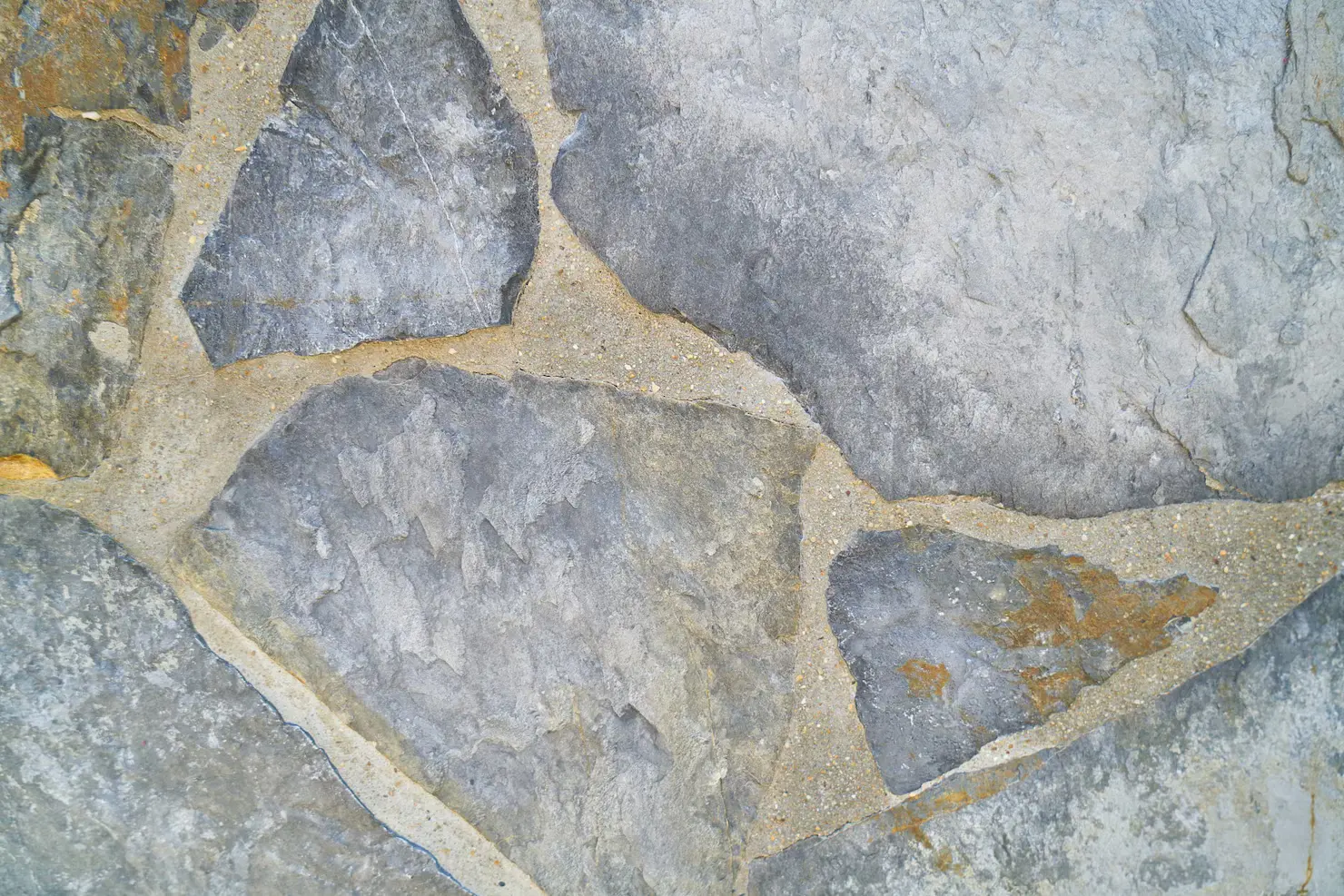
Solution: In a neutral palette, texture becomes your real design language. Without it, even the most beautiful surface can look flat. This is where materials make all the difference. Surfaces like crazy pave tiles introduce natural variations irregular shapes, subtle tonal difference and a sense of movement that plain material can’t match. Even with the light and earthy tones, the space suddenly feels layered and alive.
Myth#6 All Neutral Are the Safest Choice
Solution: Lighting can completely change how a neutral colour behaves. A beige that looks warm and inviting in a showroom might turn dull or slightly yellow at home. Similarly, soft grey (a widely used colour) can suddenly feel cold under artificial light. The key is to test your selection under real conditions (morning light, evening light and indoor lighting) and with the lighting you are going to use in the space. What works for all spaces is the right fit.
Myth #7: Minimal Contrast = More Luxury
Solution: Minimal contrast is often associated with high-end design, but too little of it can make the space feel flat. Luxury isn’t about removing contrast but about making it better. Even a subtle difference can enhance the space. Materials like Sandstone crazy pavers or other rustic natural stones can bring the perfect balance.
Closing Thoughts
Neutral colour choices aren’t the problem; they are just misunderstood. They are widely used as the safest option. But they require intention, layering and a thoughtful mix of materials that truly works. When used without these elements, they can leave your space feeling incomplete that may look good but lacks a welcoming touch. The goal isn’t to avoid neutrals. It’s to use them in a way that feels rich, not flat. Because the most beautiful spaces aren’t the ones that play it safe but the ones that make you feel at home.
*Disclaimer: The information provided in this blog is to the best of our knowledge and intended as a general guide. We recommend confirming all details based on your specific project requirements before execution.

No Comment! Be the first one.