




Cold Plunge Therapy Guide: What to Expect and Why It Works
Cold plunge therapy has moved from elite athletic training rooms into mainstream wellness spaces, and for good reason. Many people now visit facilities like peak cold plunge studio to experience the...

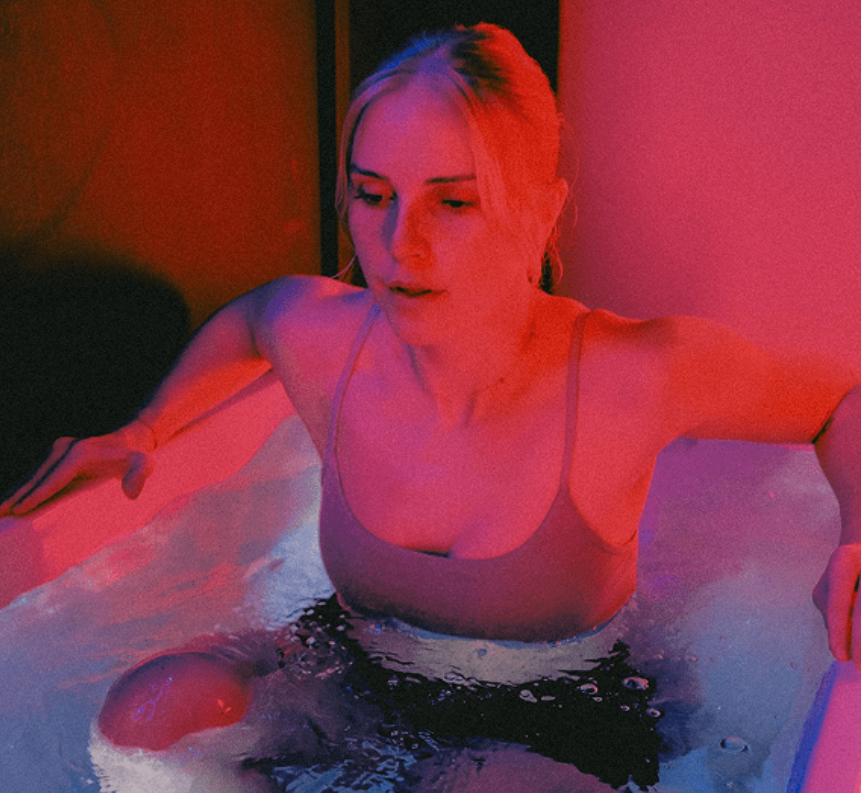
Cold plunge therapy has moved from elite athletic training rooms into mainstream wellness spaces, and for good reason. Many people now visit facilities like peak cold plunge studio to experience the refreshing benefits of controlled cold-water immersion. This practice involves briefly submerging the body in chilled water to support recovery, improve circulation, sharpen focus, and build resilience. While the idea of stepping into icy water may sound intense, the results often leave people feeling energized and refreshed. Understanding what happens during a session can help you feel more confident before trying it for yourself.
Top Content
- What Is Cold Plunge Therapy?
- Why People Are Choosing Cold Plunge Therapy
- What to Expect Before Your First Session
- The First Few Seconds in the Water
- How Long Should You Stay In?
- What Happens in the Body During Cold Exposure?
- Vasoconstriction and Circulation
- Reduced Inflammation Sensation
- Nervous System Activation
- Endorphin Response
- Why Athletes Use Cold Plunges
- Mental Benefits of Cold Plunge Therapy
- Builds Discipline
- Reduces Stress Reactivity
- Enhances Focus
- Supports Mood
- What to Do After a Session
- How Often Should You Do Cold Plunge Therapy?
- For General Wellness
- For Recovery
- For Mental Resilience
- Safety Tips for Beginners
- Why It Works for So Many People
- Making Cold Plunge Part of Your Routine
- Final Thoughts
- FAQs
- 1. Is cold plunge therapy safe for beginners?
- 2. How cold is a typical cold plunge tub?
- 3. How long should a first session last?
- 4. Can cold plunge therapy help with sore muscles?
- 5. How often should I cold plunge?
What Is Cold Plunge Therapy?
Cold plunge therapy is the practice of immersing the body in cold water, usually ranging from 39°F to 59°F (4°C to 15°C), for a short amount of time. Sessions typically last between two and five minutes, depending on experience level and tolerance.
The method has roots in ancient wellness traditions. Cultures around the world have used cold water for physical recovery, mental discipline, and improved vitality. Today, modern cold plunge tubs provide precise temperature control, clean filtration systems, and a safe, comfortable environment for beginners and regular users alike.
Why People Are Choosing Cold Plunge Therapy
The rise in popularity comes from the combination of physical and mental benefits. Unlike many wellness trends, cold immersion offers immediate sensations and noticeable results after a session.
People often report:
- Increased alertness
- Reduced muscle soreness
- Better circulation
- Elevated mood
- Faster recovery after workouts
- Improved stress tolerance
- Greater mental clarity
Because sessions are brief, cold plunge therapy also fits easily into busy schedules.
What to Expect Before Your First Session
If it is your first cold plunge experience, it helps to know what the process looks like. Most studios begin with a quick orientation. Staff may explain the water temperature, ideal session length, breathing techniques, and safety recommendations.
Before entering the tub:
- Wear appropriate swimwear
- Remove jewelry if preferred
- Hydrate beforehand
- Avoid entering immediately after heavy alcohol use
- Let staff know about medical conditions
Some people pair a cold plunge with a sauna or hot shower beforehand, which can make the transition easier.
The First Few Seconds in the Water
The initial entry is usually the most challenging part. Your body reacts to the cold with a quick intake of breath and heightened awareness. This is completely normal.
During the first 15 to 30 seconds:
- Breathing may become faster
- Skin feels intensely cold
- Heart rate may rise briefly
- Muscles tighten slightly
The key is to stay calm and breathe slowly through the nose or with controlled inhales and exhales. Once breathing settles, many people notice the discomfort fading and a sense of calm taking over.
How Long Should You Stay In?
Beginners do not need long sessions to benefit. Even one to two minutes can be effective. As comfort improves, some people gradually increase their time.
General guidelines:
- Beginners: 1 to 2 minutes
- Intermediate users: 2 to 4 minutes
- Experienced users: 4 to 6 minutes
Longer is not always better. Consistency matters more than pushing limits.
What Happens in the Body During Cold Exposure?
Cold water creates several natural responses that may contribute to its effectiveness.
Vasoconstriction and Circulation
When exposed to cold, blood vessels near the skin narrow. This helps preserve core body temperature. After leaving the water, vessels reopen, which may support healthy circulation.
Reduced Inflammation Sensation
Cold temperatures can temporarily decrease swelling sensations and help soothe muscles after strenuous activity.
Nervous System Activation
Cold exposure stimulates the release of adrenaline and norepinephrine. These chemicals are linked to alertness, energy, and focus.
Endorphin Response
Many users experience an improved mood after a plunge, likely due to the release of feel-good chemicals and the accomplishment of completing a challenge.
Why Athletes Use Cold Plunges
Athletes have long used ice baths and cold immersion for recovery. Hard training sessions can create muscle fatigue and soreness. Cold plunges may help users feel refreshed and ready for the next workout.
Common reasons athletes use cold therapy:
- Faster post-workout recovery
- Less perceived soreness
- Mental conditioning
- Improved readiness between sessions
This is why cold plunge tubs are common in sports performance centers.
Mental Benefits of Cold Plunge Therapy
Cold immersion is not only physical. Many people continue the habit because of how it affects the mind.
Builds Discipline
Stepping into cold water requires commitment. Repeating that challenge can strengthen mental toughness.
Reduces Stress Reactivity
Learning to stay calm under discomfort may help people manage everyday stress more effectively.
Enhances Focus
The intense sensation demands presence. For many users, it becomes a reset button that clears mental clutter.
Supports Mood
Users often describe feeling lighter, happier, and more energized after sessions.
What to Do After a Session
Once you exit the tub, the body naturally starts warming itself. Avoid rushing into a hot shower immediately unless guided by your routine.
Better post-session habits include:
- Dry off thoroughly
- Move gently or walk around
- Drink water
- Allow the body to warm naturally
- Notice how energized you feel
Many people enjoy a pleasant glow and sustained alertness afterward.
How Often Should You Do Cold Plunge Therapy?
Frequency depends on goals and tolerance.
For General Wellness
Two to three sessions per week can be enough.
For Recovery
Athletes may use it after hard training sessions.
For Mental Resilience
Some users prefer a consistent daily or near-daily habit.
Listening to your body is important. If you feel excessively fatigued, reduce frequency.
Safety Tips for Beginners
Cold plunge therapy is powerful, but it should be practiced responsibly.
Keep these tips in mind:
- Start with shorter sessions
- Never force yourself to stay in pain
- Avoid plunging alone if new to it
- Exit if dizzy or unwell
- Consult a doctor if you have cardiovascular concerns
- Use professionally maintained facilities when possible
Comfort builds over time. There is no need to rush progress.
Why It Works for So Many People
Cold plunge therapy combines physiology, psychology, and routine. It challenges the body briefly, then rewards you with renewed energy and satisfaction. Unlike complicated wellness systems, it is simple: a few minutes of discomfort followed by meaningful benefits.
The growing popularity of cold plunging comes from real user experiences. People appreciate something that helps them feel awake, resilient, and recovered without taking much time.
Making Cold Plunge Part of Your Routine
To make the habit sustainable:
- Schedule sessions consistently
- Focus on breathing instead of discomfort
- Track how you feel afterward
- Combine with exercise, sleep, and hydration
- Start small and stay regular
Over time, what once felt intimidating can become one of the most rewarding parts of your wellness plan.
Final Thoughts
Cold plunge therapy offers a practical way to support recovery, mental clarity, and overall wellness. Whether you are an athlete, a busy professional, or someone looking for a fresh health routine, this method can deliver noticeable benefits in just a few minutes. With proper guidance and consistency, many people find that cold immersion becomes an energizing ritual they look forward to. If you are ready to experience the benefits firsthand, consider starting your journey with renew cold plunge.
FAQs
1. Is cold plunge therapy safe for beginners?
Yes, beginners can safely try it by starting with short sessions and using professional guidance.
2. How cold is a typical cold plunge tub?
Most tubs range between 39°F and 59°F depending on preference and purpose.
3. How long should a first session last?
One to two minutes is usually enough for first-time users.
4. Can cold plunge therapy help with sore muscles?
Many people use it after exercise to reduce soreness and support recovery.
5. How often should I cold plunge?
Two to three times weekly is a good starting point, though some users go more often based on goals.