




Electrical Panel Repair and Circuit Breaker Repair: A Complete Guide for Homeowners
Electrical systems are the backbone of every modern home, powering everything from lighting and appliances to HVAC systems and smart devices. When issues arise within these systems, they often trace...

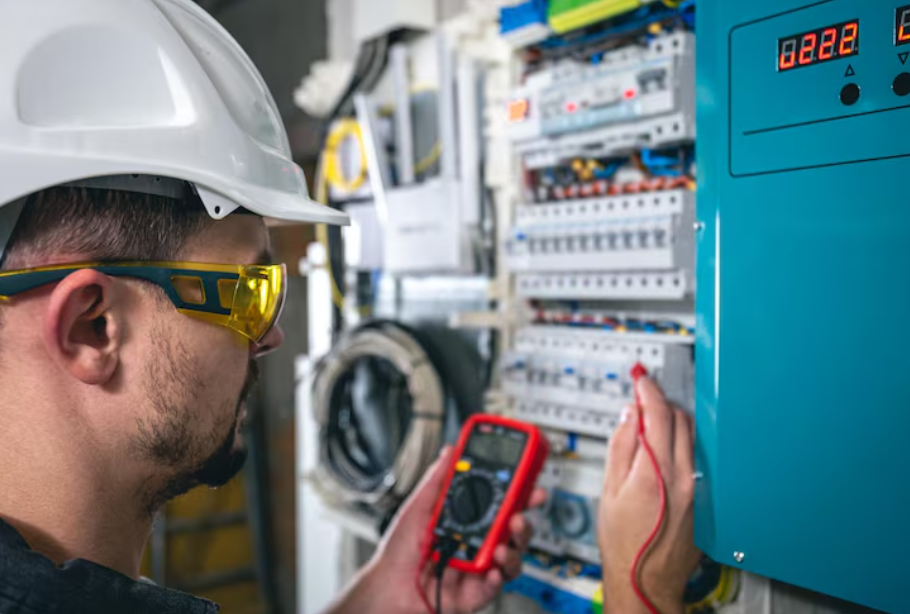
Electrical systems are the backbone of every modern home, powering everything from lighting and appliances to HVAC systems and smart devices. When issues arise within these systems, they often trace back to the electrical panel or circuit breakers. Understanding how electrical panel repair and circuit breaker repair work can help homeowners recognize problems early, avoid hazards, and maintain a safe living environment.
An electrical panel, sometimes called a breaker box or service panel, distributes electricity throughout the home. It ensures that each circuit receives the correct amount of power while preventing overloads. Circuit breakers inside the panel act as safety switches that automatically shut off power when they detect a fault. When either the panel or the breakers malfunction, immediate attention is necessary to prevent electrical hazards such as fires, shocks, or equipment damage.
One of the most common issues homeowners face is the need for electrical panel repair due to aging systems. Older panels may not be designed to handle the electrical demands of modern households. With more devices and appliances in use today than ever before, outdated panels can become overloaded. Signs that you may need electrical panel repair include frequent breaker trips, flickering lights, buzzing sounds from the panel, or scorch marks near the breaker box. Ignoring these warning signs can lead to more serious electrical failures.
Similarly, circuit breaker repair becomes necessary when individual breakers fail to function correctly. A circuit breaker may trip too often, fail to reset, or not trip at all when it should. Each of these issues indicates a potential malfunction. While breakers are designed to be durable, wear and tear over time can reduce their effectiveness. Moisture, overheating, and electrical surges are also common causes of breaker damage.
When dealing with electrical systems, safety should always be the top priority. Attempting DIY repairs without proper training can be dangerous. Electrical panel repair requires knowledge of wiring systems, load calculations, and safety protocols. A licensed electrician is trained to diagnose problems accurately and perform repairs safely. In many cases, what appears to be a simple issue may actually be a symptom of a larger underlying problem within the electrical system.
Circuit breaker repair is also not a task that should be taken lightly. Although breakers are designed to be replaced rather than repaired in many cases, an electrician will first determine whether the issue lies with the breaker itself or with the wiring and connected circuits. Sometimes, a breaker may be functioning correctly, but an overloaded circuit or faulty appliance is causing the problem. Proper diagnosis is essential before any repair or replacement is made.
Another important aspect of electrical panel repair is upgrading outdated systems. Many homes still use panels installed decades ago, which may not comply with current electrical codes. Upgrading the panel not only improves safety but also increases the home’s electrical capacity. This is especially important for households adding new appliances, electric vehicles, or home office equipment. A modern panel ensures that power distribution remains stable and efficient.
During a circuit breaker repair service, electricians often inspect the entire panel to ensure all components are functioning correctly. Loose connections, corroded terminals, and overheating signs are common issues that may accompany faulty breakers. Addressing these problems early can prevent costly damage in the future. Regular maintenance checks are recommended to keep the system operating smoothly.
Electrical problems can also manifest in subtle ways. For example, you might notice that certain appliances lose power intermittently or that outlets in specific rooms stop working temporarily. These issues often point back to the need for electrical panel repair or breaker inspection. While they may seem minor at first, they can escalate into major electrical failures if left unresolved.
Homeowners should also be aware of the risks of overloading circuits. Plugging too many devices into a single outlet or circuit can strain the system and lead to breaker trips. If breakers frequently shut off power, it may indicate the need for circuit breaker repair or even a circuit redistribution within the panel. An electrician can evaluate the load distribution and recommend adjustments to prevent recurring issues.
In addition to safety concerns, energy efficiency is another reason to maintain a healthy electrical system. Faulty breakers and outdated panels can lead to energy loss, increasing electricity bills. By investing in electrical panel repair, homeowners can improve energy flow and reduce waste. Similarly, timely circuit breaker repair ensures that electricity is delivered only where it is needed, preventing unnecessary power consumption.
Weather conditions can also affect electrical systems. Power surges caused by lightning or grid fluctuations can damage breakers and panels. Installing surge protection devices can help reduce the risk of damage, but if a surge does occur, electrical panel repair may be necessary to restore proper function. In some cases, multiple breakers may be affected, requiring comprehensive inspection and circuit breaker repair services.
Regular maintenance is the best way to avoid unexpected electrical failures. Scheduling periodic inspections allows electricians to detect early signs of wear and address them before they become serious issues. During these inspections, professionals often tighten connections, test breaker performance, and evaluate the overall condition of the panel. This proactive approach reduces the likelihood of emergency repairs and extends the lifespan of the system.
When considering upgrades or repairs, homeowners should also think about future needs. Modern households continue to add new technology, from smart home systems to electric heating and charging stations. Ensuring that your electrical system can handle these demands is essential. Proper electrical panel repair or replacement can prepare your home for future expansion. Likewise, maintaining functional breakers through circuit breaker repair ensures consistent performance as electrical demands grow.
Ultimately, both electrical panels and circuit breakers play a critical role in home safety. They work together to regulate power and protect your home from electrical hazards. When either component fails, it can disrupt daily life and create serious risks. Recognizing the importance of electrical panel repair and circuit breaker repair helps homeowners take timely action and maintain a safe, efficient electrical system.
In conclusion, electrical systems require careful attention and regular maintenance to function properly. Whether dealing with aging equipment, overloaded circuits, or malfunctioning breakers, professional repair services are essential. By understanding the signs of trouble and addressing them early through electrical panel repair and circuit breaker repair, homeowners can ensure long-term safety, reliability, and efficiency in their homes.