


Formal Shirts for Men: A Complete Guide to Building a Polished Wardrobe
A well-dressed man is often remembered for the clarity and confidence his clothing communicates. Among all wardrobe staples, formal shirts for men and well-fitted trousers form the backbone of...

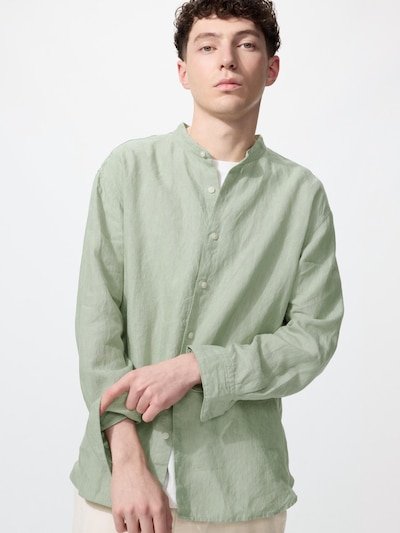
A well-dressed man is often remembered for the clarity and confidence his clothing communicates. Among all wardrobe staples, formal shirts for men and well-fitted trousers form the backbone of professional and semi-formal dressing. Whether you are preparing for office meetings, interviews, presentations, or formal events, understanding how to choose and style these essentials can elevate your overall appearance without unnecessary effort.
Table Of Content
This guide breaks down everything you need to know about selecting formal shirts, pairing them with the right pants, and building a timeless wardrobe that works across occasions.
The foundation: choosing formal shirts
Formal shirts are not just about color or pattern. They are about structure, fit, and purpose. The most common and versatile options include solid colors like white, light blue, and pale pink. These shades are universally acceptable in professional environments and easy to pair with different trousers.
When selecting shirts, focus on collar style as well. A classic spread collar works well for ties and formal settings, while a point collar is ideal for minimal, everyday office wear. Avoid overly bold prints unless your workplace allows business casual dressing.
Another key factor is sleeve length. Full sleeves are the standard for formal wear, as they provide a more structured and refined look compared to half sleeves.
Fabric and fit: what truly matters
Fabric plays a major role in comfort and appearance. Cotton remains the most preferred choice due to its breathability and crisp finish. Cotton blends with a slight stretch can offer added comfort for long working hours.
For warmer climates, lightweight fabrics such as poplin or linen blends are excellent choices. They allow airflow while maintaining a clean silhouette. In colder months, slightly thicker weaves like twill or oxford cotton provide warmth and structure.
Fit is equally important. A slim or tailored fit enhances your body shape without feeling restrictive. Avoid shirts that are too tight across the chest or too loose around the waist, as both can look unprofessional. The shoulder seam should align perfectly with your shoulders for a clean and sharp appearance.
Formal pants guide: building a balanced look
Formal trousers complete the outfit and should complement the shirt in both tone and structure. Neutral colors such as black, navy, charcoal grey, and beige are the most reliable options.
A straight-fit or slim-fit trouser works best for modern formal dressing. Pleated trousers, while traditional, are making a subtle comeback in relaxed office environments, offering comfort and ease of movement.
Pay attention to length as well. The hem should lightly touch the top of your shoes without excessive bunching. This small detail significantly improves the overall look of your outfit.
Fabric-wise, wool blends are ideal for structured office wear, while cotton trousers are suitable for daily use in warmer regions.
Styling combinations for different occasions
Creating the right combination of shirts and pants can simplify your daily dressing decisions. A white formal shirt paired with navy trousers is a timeless combination that works for interviews, meetings, and presentations.
For a slightly relaxed office environment, a light blue shirt with grey trousers creates a balanced and approachable look. If you want a modern twist, pastel shades such as soft lavender or mint green can be paired with dark trousers for contrast.
Belts and shoes should always complement each other. Black leather shoes pair best with darker trousers, while brown leather works well with beige or navy combinations.
Seasonal dressing tips
Seasonality plays a big role in comfort. In summer, opt for breathable cotton shirts in light shades that reflect heat. Linen blends can also be introduced for added airflow.
In winter, layering becomes important. You can add blazers or light sweaters over your shirts while maintaining a structured appearance. Darker tones such as maroon, forest green, and deep navy work especially well in colder months.
Wardrobe essentials checklist
A functional formal wardrobe does not require excess. Instead, focus on these essentials:
- White and light blue formal shirts
- One or two pastel shirts for variety
- Black, navy, and grey trousers
- A pair of brown and black formal shoes
- A reversible leather belt
- A well-fitted blazer for formal occasions
With these pieces, you can create multiple combinations without repetition fatigue.
Why UNIQLO stands out in modern formal wear
When it comes to balancing comfort, quality, and minimal design, Uniqlo has become a global choice for everyday essentials. The brand focuses on clean silhouettes, durable fabrics, and functional design, making it a reliable option for building a formal wardrobe.
Their shirts often feature wrinkle-resistant technology and breathable cotton blends, which are especially useful for long workdays. The simplicity of their designs also makes them easy to pair with different trousers, reducing decision fatigue while dressing.
For professionals who prefer a minimal yet refined wardrobe, UNIQLO offers pieces that prioritize comfort without compromising on structure or appearance.
Conclusion
Building a strong formal wardrobe is not about owning countless outfits but about selecting the right essentials that work together seamlessly. From choosing the perfect formal shirts for men to pairing them with well-fitted trousers, every detail contributes to your overall presence.
By focusing on fit, fabric, and thoughtful combinations, you can create a versatile wardrobe that supports you in every professional setting. With reliable options like Uniqlo, dressing well becomes less about effort and more about consistency and confidence.


No Comment! Be the first one.