




From Job Booking to Payment: Best Plumbing Software Explained
The plumbing industry is always in demand. Homes, offices, and businesses constantly need repairs, installations, and maintenance. While this demand stays steady, the way top plumbing businesses run...

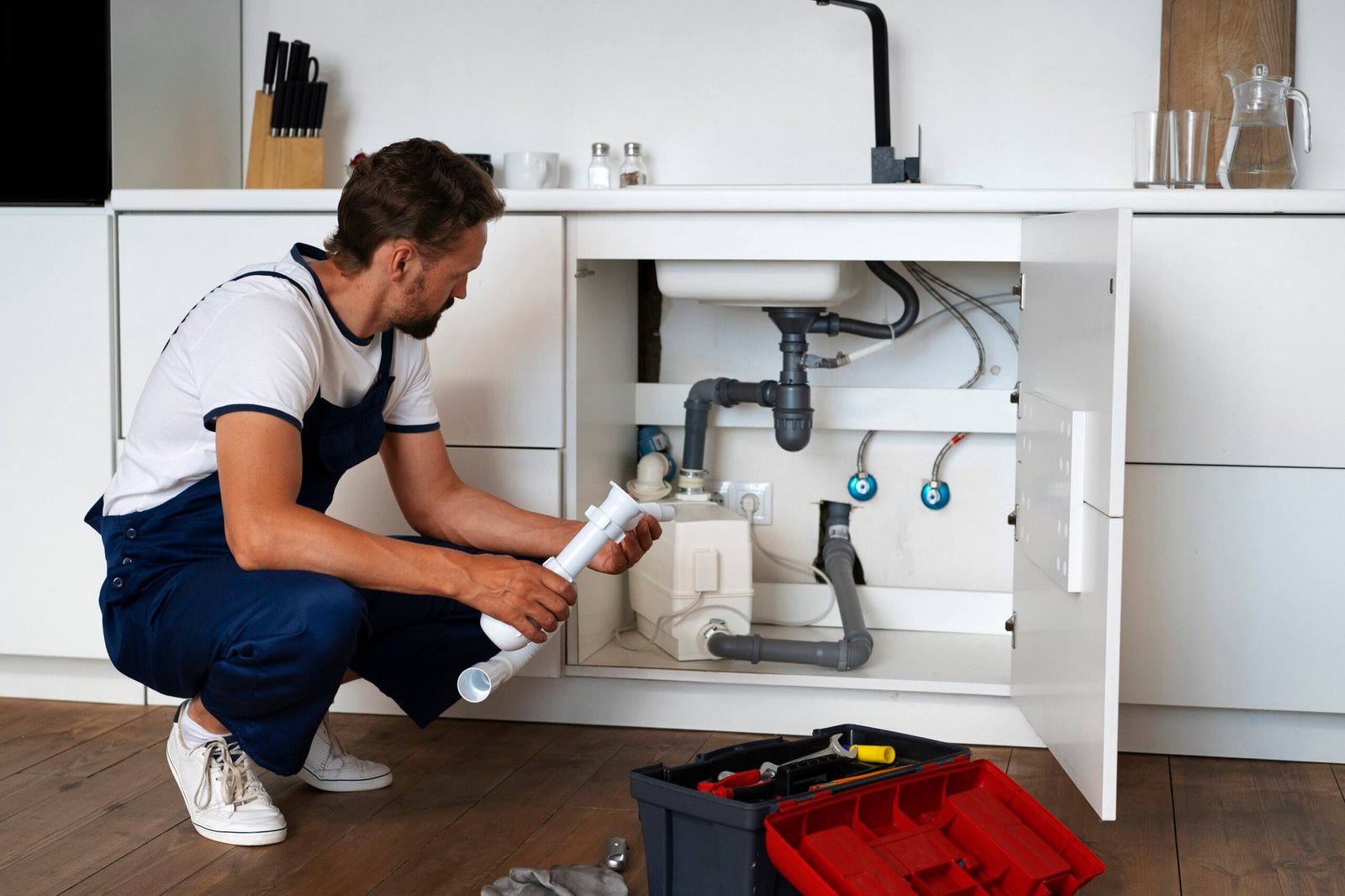
The plumbing industry is always in demand. Homes, offices, and businesses constantly need repairs, installations, and maintenance. While this demand stays steady, the way top plumbing businesses run has changed a lot.
Top Content
- The Real Operational Challenge in Plumbing Businesses
- How Plumbing Software Structures the Entire Workflow
- 1. Job Booking and Customer Intake
- 2. Smart Scheduling That Maximizes Productivity
- 3. Dispatching and Field Execution
- 4. Estimates, Invoices, and Payment Flow
- The Role of Client Management in Long-Term Growth
- Efficiency as the Core Growth Strategy
- How Software Directly Impacts Profitability
- Choosing the Right Plumbing Software for Your Business
- Transitioning to a Software-Driven Workflow
- Common Mistakes That Limit Results
- Conclusion
Today, what separates a struggling business from one that grows smoothly isn’t technical skill. It’s how well you manage operations. Most issues aren’t about fixing pipes but about booking, scheduling, coordination, and handling payments.
This is where plumbing software becomes essential. It does more than just digitize your work. It connects your whole workflow into a clear system, so you can take on more jobs without added confusion.
The Real Operational Challenge in Plumbing Businesses
In the early stages, many plumbing businesses rely on simple systems:
- Phone calls for bookings.
- Notes or memory for scheduling.
- Manual invoicing.
This works when job volume is low. But as demand increases, these methods begin to fail in subtle but costly ways.
Common breakdowns include:
- Untracked customer interactions
Important details get lost, especially with repeat clients. - Inefficient scheduling decisions
Jobs are assigned without considering travel time or workload. - Constant back-and-forth communication
Field teams rely on calls rather than structured updates. - Delayed or inconsistent billing
Payments are slowed due to late invoicing.
These inefficiencies are interconnected. Addressing them requires a system that manages the entire process, not just individual tasks.
How Plumbing Software Structures the Entire Workflow
Modern plumbing business software organizes operations into a continuous flow, where each stage supports the next.
1. Job Booking and Customer Intake
The first stage of any plumbing job is capturing the request correctly.
A structured system ensures the following:
- Complete data capture
Customer details, service type, and urgency are recorded accurately. - Centralized records
All information is stored in one place for future access. - Consistent job creation
Every request follows the same format, reducing errors.
This provides a solid foundation for the entire workflow.
2. Smart Scheduling That Maximizes Productivity
Scheduling is often the source of inefficiencies but also offers the greatest opportunity for improvement.
With plumbing field service software, scheduling becomes strategic:
- Route optimization
Jobs are grouped by location to reduce travel time. - Skill-based assignment
Complex jobs go to experienced technicians. - Dynamic adjustments
Emergency jobs can be inserted without disrupting the entire day.
Instead of reacting to daily issues, you operate with a clear, proactive plan.
3. Dispatching and Field Execution
Once jobs are scheduled, execution depends on coordination between office and field teams.
Using field management software, businesses gain:
- Real-time job visibility
Know which jobs are in progress, completed, or delayed. - Reduced communication dependency
Technicians receive all job details digitally. - Improved accountability
Every task is tracked and recorded.
This reduces confusion and streamlines daily operations.
4. Estimates, Invoices, and Payment Flow
Billing is often treated as a separate task, but in efficient systems, it is integrated into the workflow.
With plumbing service software, you can:
- Create estimates during booking
Provide clear pricing upfront. - Convert estimates into invoices instantly.
No need to re-enter data. - Enable faster payments
Digital invoicing reduces delays.
This improves cash flow and reduces paperwork.
The Role of Client Management in Long-Term Growth
One of the most valuable aspects of plumbing business software is centralized client management.
Instead of scattered records, you maintain:
- Detailed customer profiles
Including contact information and service history. - Past job records
Useful for repeat services and troubleshooting. - Communication logs
Ensuring consistent customer interaction.
This enables you to deliver a more professional and personalized customer experience, encouraging repeat business.
Efficiency as the Core Growth Strategy
Many plumbing businesses focus on generating demand, but true growth depends on how efficiently that demand is managed.
Efficiency improvements come from:
- Reducing travel time
Better routing leads to more jobs per day. - Minimizing idle gaps
Proper scheduling keeps technicians productive. - Standardizing workflows
Every job follows a consistent process.
This is particularly important in competitive regions where businesses using plumbing software in NJ or similar markets rely on operational efficiency to stay ahead.
How Software Directly Impacts Profitability
The financial benefits of using plumbing service software go beyond convenience.
Key impacts include:
- Higher job capacity
Complete more jobs without increasing the workforce. - Faster payment cycles
Immediate invoicing leads to quicker payments. - Reduced operational costs
Less time spent on coordination and manual tasks. - Improved customer retention
Better service leads to repeat business.
Together, these factors increase profitability.
Choosing the Right Plumbing Software for Your Business
Choosing the right system is crucial. The objective is to enhance your business operations, not just implement new technology.
Important factors to consider:
- Ease of use
Your team should be able to adopt it quickly. - All-in-one functionality
Booking, scheduling, invoicing, and client management in one platform. - Scalability
The system should support future growth. - Mobile accessibility
Essential for field technicians.
A unified system streamlines operations and reduces fragmentation.
Transitioning to a Software-Driven Workflow
Transitioning from manual processes to software can be straightforward.
A gradual approach works best:
- Start by digitizing customer records.
- Shift scheduling into the system.
- Introduce invoicing features.
- Train your team step by step.
Over time, the software becomes the backbone of your operations.
Common Mistakes That Limit Results
Even with the right tools, certain mistakes can reduce effectiveness:
- Using disconnected systems
Leads to inefficiencies and data loss. - Ignoring workflow optimization
Software alone doesn’t fix poor processes. - Overcomplicating usage
Keep workflows simple and consistent. - Lack of team adoption
Ensure everyone uses the system properly.
Avoiding these mistakes supports long-term success.
Conclusion
A plumbing business becomes scalable when its operations are structured rather than improvised. From job booking to final payment, each stage should work seamlessly together. Modern plumbing software enables this by transforming fragmented tasks into a connected, efficient workflow.By integrating tools such as plumbing field service software and field management software, you create a system that reduces errors, enhances teamwork, and supports business growth. Rather than reacting to problems, you operate with clarity and control. As your business expands, this organized approach enables you to manage increased workloads without compromising service quality, resulting in a more profitable and sustainable business.