


Handloom Sarees Online: A Complete Guide to Choosing Timeless Indian Weaves
Handloom sarees are more than garments. They represent centuries of craftsmanship, regional identity, and the skill of artisans who create every piece on traditional looms. In a market filled with...

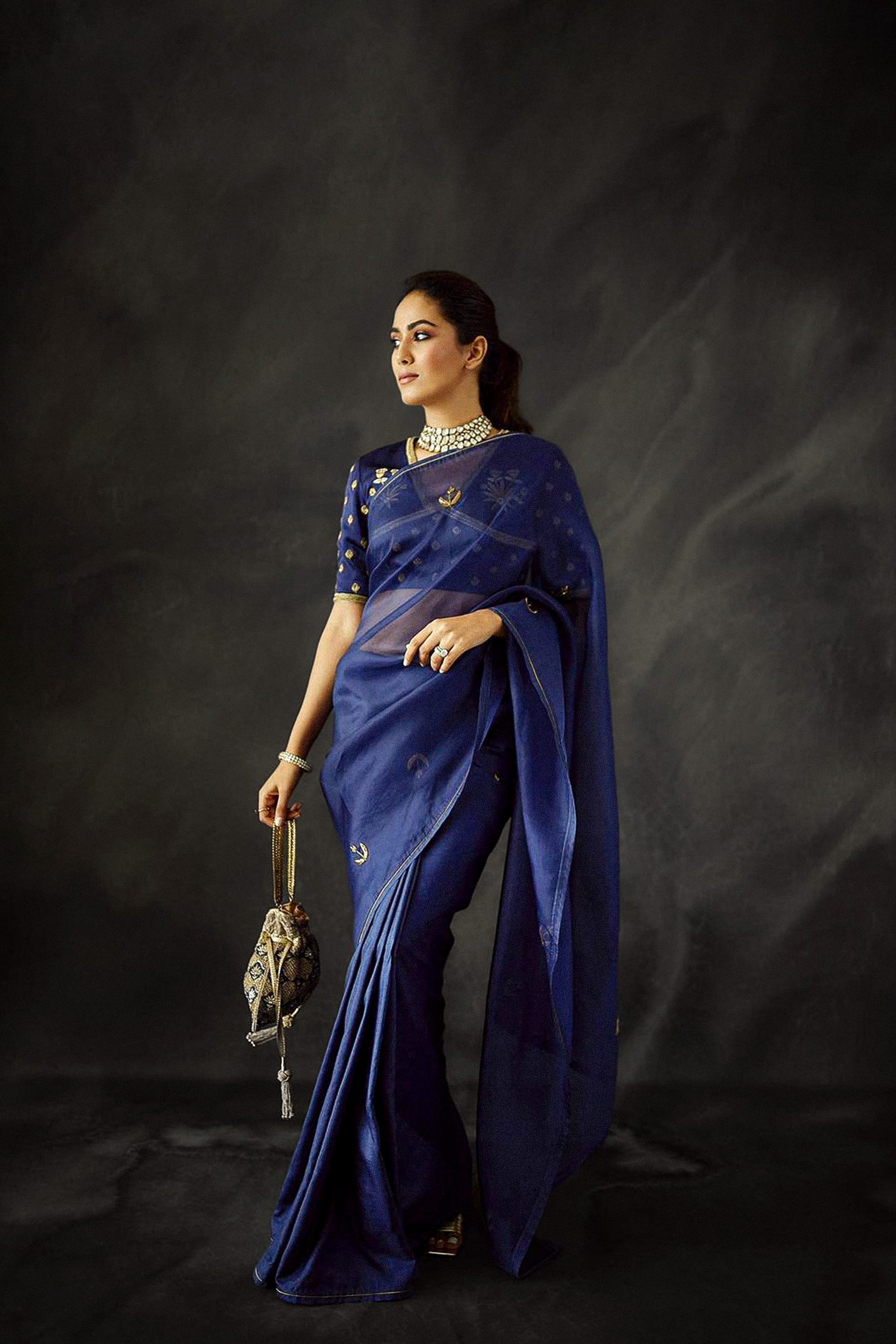
Handloom sarees are more than garments. They represent centuries of craftsmanship, regional identity, and the skill of artisans who create every piece on traditional looms. In a market filled with machine-made alternatives, handloom sarees continue to stand apart because of their texture, durability, and unique character. No two authentic handloom sarees are exactly the same, which makes each one special.
Table Of Content
- Why Handloom Sarees Remain Evergreen
- Understanding Handloom Pure Silk Sarees
- Banarasi Silk
- Kanjeevaram Silk
- Tussar Silk
- Chanderi Silk
- What Makes a Khadi Handloom Saree Special
- How to Buy Handloom Sarees Online Smartly
- Check Product Descriptions
- Zoom Into Images
- Read Brand Story
- Compare Pricing
- Read Customer Reviews
- Popular Styling Ideas for Handloom Sarees
- For Office Wear
- For Festive Wear
- For Weddings
- For Contemporary Looks
- How to Identify Genuine Handloom Pieces
- Caring for Your Handloom Sarees
- For Cotton and Khadi
- For Silk Sarees
- Why Handloom Sarees Are Worth the Investment
- Conclusion
Today, buying handloom sarees online has become easier than ever. Whether you are looking for everyday elegance, festive wear, or a meaningful heirloom purchase, online platforms have opened access to weaves from across India. From Banarasi silk to Chanderi, Bengal cotton to Kanjeevaram, buyers can now explore regional craftsmanship from home.
This guide will help you understand how to choose the right saree, identify authenticity, and invest wisely.
Why Handloom Sarees Remain Evergreen
Handloom sarees carry a depth that mass-produced fabrics often lack. Since they are woven manually, artisans control the tension, pattern, and detailing with precision. This creates a richer finish and better drape.
Some key reasons they remain popular:
- Breathable and comfortable fabrics
- Stronger weave with longer lifespan
- Rich cultural and artistic value
- Unique motifs and patterns
- Sustainable and slow-fashion friendly
A handloom saree is not just clothing. It is wearable heritage.
Understanding Handloom Pure Silk Sarees
When people want luxury with tradition, they often choose handloom pure silk sarees. These sarees are woven using genuine silk yarns and traditional weaving methods. They are known for their shine, fluid drape, and festive appeal.
Popular varieties include:
Banarasi Silk
Known for zari work, floral jaal patterns, and regal richness. Ideal for weddings and celebrations.
Kanjeevaram Silk
Famous for bold borders, temple motifs, and heavy silk texture. A classic bridal favorite.
Tussar Silk
Recognized for its natural texture and understated elegance. Perfect for formal occasions.
Chanderi Silk
Lightweight with a soft sheen. Great for festive daytime events.
When purchasing silk sarees, always check fabric details, weave description, and seller transparency.
What Makes a Khadi Handloom Saree Special
A khadi handloom saree is admired for its simplicity, comfort, and handmade appeal. Khadi fabric is hand-spun and handwoven, often using cotton or silk blends. It has a raw, earthy texture that becomes softer over time.
Why buyers love khadi sarees:
- Excellent for warm weather
- Elegant minimalist look
- Comfortable for long wear
- Ideal for office, casual, and cultural events
- Symbol of sustainable Indian textiles
Khadi sarees pair beautifully with silver jewelry, handcrafted blouses, and minimal styling.
How to Buy Handloom Sarees Online Smartly
Online shopping offers variety, but careful buying matters. Use these checkpoints before placing an order.
Check Product Descriptions
Look for clear mentions of weave type, material, dimensions, blouse piece details, and care instructions.
Zoom Into Images
Authentic handloom fabrics often show texture variations, thread depth, and natural weaving details.
Read Brand Story
Brands focused on craftsmanship often share sourcing and artisan information.
Compare Pricing
Handloom sarees require time and labor. Extremely cheap pricing may indicate imitation products.
Read Customer Reviews
Reviews help understand drape, fabric feel, color accuracy, and delivery experience.
Popular Styling Ideas for Handloom Sarees
One reason handloom sarees stay relevant is their styling versatility.
For Office Wear
Choose cotton handloom sarees or light khadi weaves with structured blouses.
For Festive Wear
Select silk handloom sarees with statement earrings and classic heels.
For Weddings
Rich Banarasi or Kanjeevaram weaves create a timeless bridal or guest look.
For Contemporary Looks
Pair sarees with belts, crop blouses, jackets, or sleeveless blouses.
Traditional weaves can feel modern with the right styling choices.
How to Identify Genuine Handloom Pieces
Because demand is high, many machine-made sarees are sold under the handloom label. Use these clues:
- Slight irregularities in weave can be normal and authentic
- Reverse side may reveal detailed weaving work
- Fabric feels richer, softer, and more breathable
- Motifs look integrated, not surface printed
- Seller provides material and weave clarity
Certified handloom labels can add confidence, but informed buying is equally important.
Caring for Your Handloom Sarees
Proper care increases lifespan significantly.
For Cotton and Khadi
- Gentle wash or dry clean depending on dye type
- Dry in shade
- Store folded neatly
For Silk Sarees
- Prefer dry cleaning
- Store in muslin cloth
- Refold periodically to avoid permanent creases
- Keep away from moisture and perfume sprays
Good storage protects texture and color for years.
Why Handloom Sarees Are Worth the Investment
Unlike trend-based fashion, handloom sarees stay relevant across generations. A well-bought saree can be worn repeatedly, restyled differently, and even passed on as a family keepsake.
They also support artisan communities and preserve Indian weaving traditions. Every purchase can contribute to sustaining skilled livelihoods.
Conclusion
If you value elegance, authenticity, and long-term style, handloom sarees are among the best wardrobe investments you can make. Whether you prefer breathable cottons, a refined khadi handloom saree, or luxurious handloom pure silk sarees, there is a weave for every occasion and personality.
Modern buyers also have access to curated labels and designer houses like Raw Mango, which have helped bring Indian textiles to contemporary audiences through thoughtful craftsmanship and design. As you explore handloom sarees online, choose quality over impulse, learn the story behind the weave, and build a collection that remains timeless for years to come.




No Comment! Be the first one.