





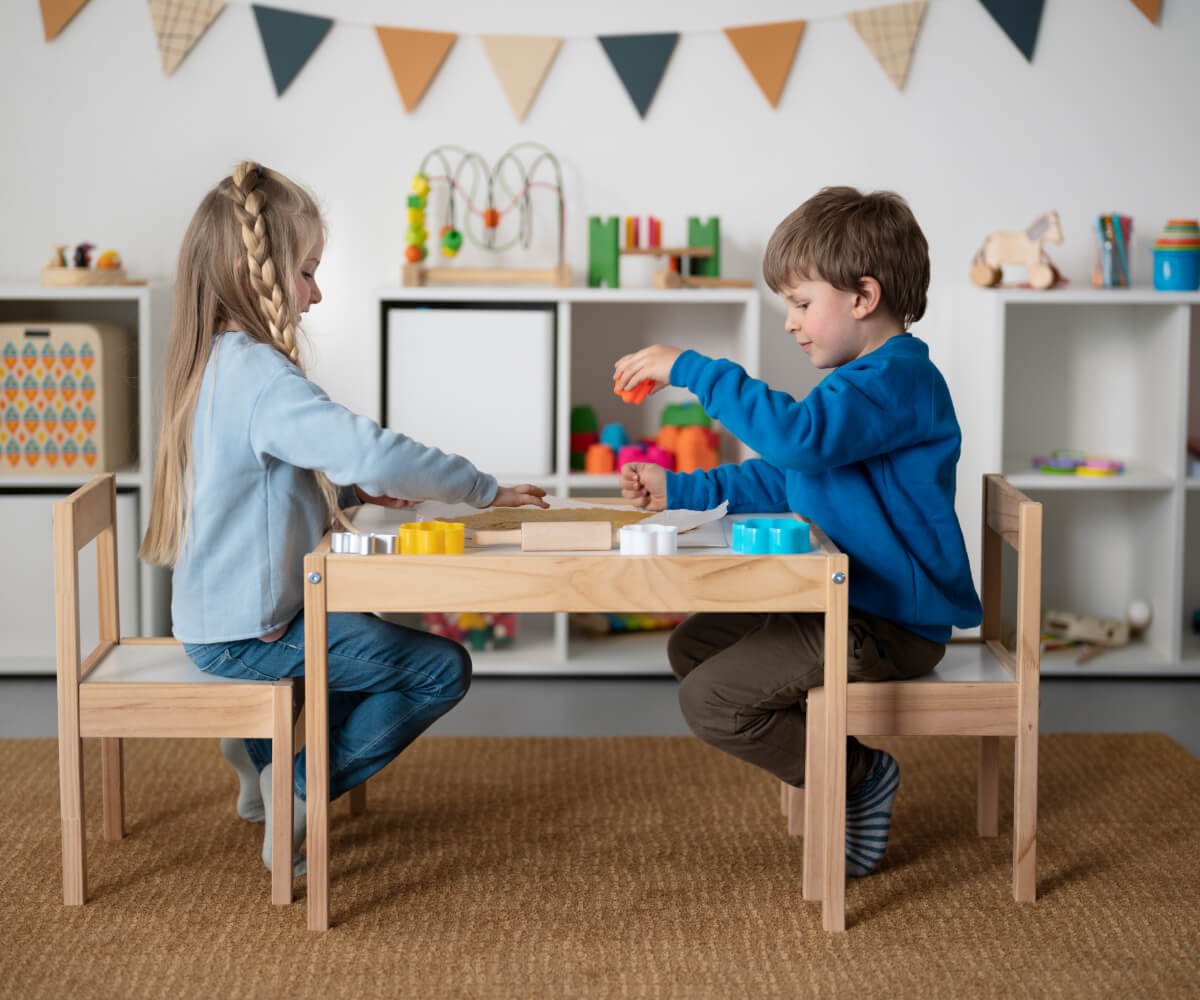
Young children have a natural desire to do things by themselves. You might notice your preschooler trying to reach for the broom or wanting to help pour the milk. This is not just a phase. It is a sign that they are ready to learn how to care for themselves and their surroundings. Teaching these skills early helps them gain confidence.
Top Content
Why Real Tasks Matter
Preschoolers learn best through movement and touch. When they engage in real-world tasks, they develop focus. These activities are often called life skills. They are simple, everyday jobs that adults do without thinking. For a child, however, scrubbing a table or buttoning a coat is a major achievement. It requires coordination and patience.
Using real tools instead of toys makes a big difference. A small metal pitcher or a child-sized wooden brush feels important. It tells the child that their work is valuable. They feel like a contributing member of the family.
Simple Activities at Home
You do not need expensive kits to start. Look at what you do every day. Food preparation is a great place to begin. A preschooler can peel a banana or snap green beans. They can also help set the table. These tasks improve fine motor skills.
Cleaning is another area where children love to help. You can give them a small spray bottle with water and a cloth. Let them wipe the windows or the baseboards. It might take longer than if you did it yourself, but the goal is the learning process, not a perfect result.
Building Independence
Independence grows when a child can manage their own needs. Set up a station where they can get a glass of water. Keep their shoes in a place they can reach. When they can do these things alone, they feel capable. This reduces frustration for both the parent and the child.
Adding practical life activities for preschoolers into your daily routine is very effective. It turns chores into learning opportunities. These moments teach children to follow steps in a logical order. First, you get the cloth. Then, you wet it. Finally, you wipe the surface.
Learning Patience and Care
Sometimes things break or water spills. That is okay. These moments are part of the lesson. Show them how to clean up the mess calmly. This teaches them that mistakes are not the end of the world. They learn to be careful and respectful of their environment.
When children practice these skills, they become more observant. They notice when a plant needs water or when a chair is out of place. This awareness builds a sense of responsibility that stays with them as they grow older.
Final Thoughts
Helping a child learn life skills is a slow process. It requires stepping back and letting them try. Your role is to provide the right tools and a safe space. Over time, you will see them grow more sure of themselves. If you want more ideas on how to support your child’s growth, visit Montessori for Toddlers.