




How Regular Wheel Alignment Can Save You Money on Tires and Fuel
Keeping your car in good condition isn’t just about avoiding breakdowns—it’s also about saving money in the long run. One of the most overlooked maintenance tasks is a wheel alignment service, yet it...

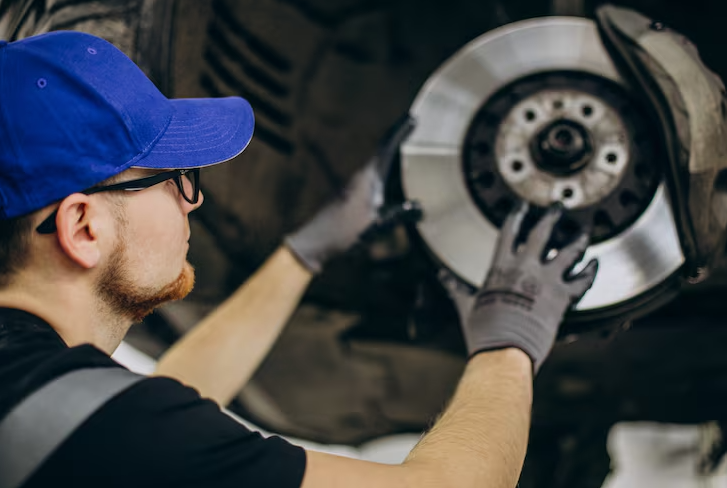
Keeping your car in good condition isn’t just about avoiding breakdowns—it’s also about saving money in the long run. One of the most overlooked maintenance tasks is a wheel alignment service, yet it plays a major role in how your vehicle performs, how long your tires last, and how much fuel you consume. Many drivers don’t realize that something as simple as misaligned wheels can quietly drain their wallets over time.
Top Content
- What Is Wheel Alignment?
- Signs Your Vehicle Needs Wheel Alignment
- 1. Uneven Tire Wear
- 2. Vehicle Pulling to One Side
- 3. Crooked Steering Wheel
- 4. Vibrations While Driving
- How Misalignment Affects Tire Life
- The Connection Between Wheel Alignment and Fuel Efficiency
- Cost Comparison: Alignment vs. Neglect
- Cost of Regular Alignment
- Cost of Ignoring Alignment
- Benefits of Regular Wheel Alignment
- 1. Improved Driving Comfort
- 2. Better Safety
- 3. Enhanced Tire Performance
- 4. Reduced Wear on Suspension
- When Should You Get a Wheel Alignment?
- Recommended Timing
- DIY vs. Professional Alignment
- Why Professional Service Matters
- Tips to Maintain Proper Alignment
- Long-Term Savings You Can Expect
- Conclusion
- Frequently Asked Questions (FAQs)
- 1. How much does wheel alignment cost?
- 2. How long does a wheel alignment take?
- 3. Can bad alignment damage my car?
- 4. Is wheel alignment necessary for new cars?
- 5. What happens if I ignore alignment problems?
- 6. Does wheel alignment affect mileage?
- 7. How do I know if my alignment is off?
What Is Wheel Alignment?
Wheel alignment refers to adjusting the angles of your vehicle’s wheels so that they are set to the manufacturer’s specifications. These angles—camber, caster, and toe—determine how your tires make contact with the road.
When your wheels are properly aligned, your vehicle drives straight, handles smoothly, and distributes weight evenly across all tires. When they’re not, problems begin to show—sometimes gradually, sometimes all at once.
Signs Your Vehicle Needs Wheel Alignment
Ignoring alignment issues can lead to costly repairs, but spotting the warning signs early can help you avoid unnecessary expenses. Here are some common indicators:
1. Uneven Tire Wear
If you notice that one side of your tire is wearing down faster than the other, it’s a strong sign of alignment issues. This uneven wear reduces tire lifespan significantly.
2. Vehicle Pulling to One Side
When driving on a straight road, your car should move straight without needing constant correction. If it drifts left or right, your alignment is likely off.
3. Crooked Steering Wheel
A steering wheel that isn’t centered when driving straight indicates that your wheels aren’t aligned properly.
4. Vibrations While Driving
Misaligned wheels can cause vibrations, especially at higher speeds, making your ride uncomfortable and potentially unsafe.
How Misalignment Affects Tire Life
Tires are one of the most expensive consumable parts of your vehicle. A good set can last tens of thousands of kilometers—but only if they wear evenly.
When your wheels are misaligned:
- Tires experience uneven pressure distribution
- Certain areas of the tread wear out faster
- You may need replacement much sooner than expected
Instead of getting full value from your tires, you might end up replacing them prematurely. Regular alignment ensures that every inch of your tire wears evenly, maximizing its lifespan and saving you money.
The Connection Between Wheel Alignment and Fuel Efficiency
Fuel efficiency is another area where alignment makes a surprising difference. When your wheels are out of alignment, they don’t roll in the same direction. This creates resistance, forcing your engine to work harder to keep the car moving.
Here’s how that impacts fuel consumption:
- Increased rolling resistance leads to higher fuel usage
- Engine strain reduces overall efficiency
- Frequent corrections while driving waste energy
Even a slight misalignment can reduce your fuel efficiency by a noticeable margin. Over months or years, this adds up to a significant cost.
Cost Comparison: Alignment vs. Neglect
Many drivers skip alignment thinking it’s an unnecessary expense. In reality, it’s quite the opposite.
Cost of Regular Alignment:
- Relatively affordable maintenance service
- Takes minimal time
- Prevents larger issues
Cost of Ignoring Alignment:
- Early tire replacement
- Increased fuel bills
- Potential suspension damage
- Reduced driving safety
Spending a small amount on routine alignment can help you avoid much larger expenses down the road.
Benefits of Regular Wheel Alignment
Maintaining proper wheel alignment offers multiple advantages beyond just saving money.
1. Improved Driving Comfort
A well-aligned car feels smoother and easier to control. You won’t have to constantly adjust the steering, making long drives less tiring.
2. Better Safety
Proper alignment ensures stable handling, especially during sudden braking or turning. This reduces the risk of accidents.
3. Enhanced Tire Performance
Even wear improves traction, which is essential for braking and cornering.
4. Reduced Wear on Suspension
Misalignment puts extra stress on suspension components, leading to premature wear. Regular checks help preserve these parts.
When Should You Get a Wheel Alignment?
There isn’t a one-size-fits-all schedule, but certain situations call for immediate attention.
Recommended Timing:
- Every 8,000–10,000 kilometers
- During tire replacement
- After hitting a pothole or curb
- When you notice handling issues
Road conditions, driving habits, and vehicle type all influence how often alignment is needed. If you frequently drive on rough roads, you may need it more often.
DIY vs. Professional Alignment
Some car maintenance tasks can be done at home, but wheel alignment isn’t one of them. It requires specialized equipment and precise measurements.
Why Professional Service Matters:
- Accurate adjustments using advanced tools
- Proper inspection of suspension components
- Long-lasting results
Attempting to fix alignment without the right tools can lead to further damage and higher repair costs.
Tips to Maintain Proper Alignment
While regular servicing is essential, you can take steps to reduce the chances of misalignment.
- Avoid potholes and rough roads when possible
- Maintain proper tire pressure
- Drive carefully over speed bumps
- Rotate tires regularly
- Schedule periodic inspections
These simple habits can help keep your vehicle in better condition and reduce the frequency of alignment issues.
Long-Term Savings You Can Expect
Regular alignment doesn’t just save you money in one area—it creates a ripple effect of savings.
- Longer-lasting tires mean fewer replacements
- Improved fuel efficiency lowers monthly expenses
- Reduced wear on vehicle components cuts repair costs
- Better handling prevents accidents and related expenses
Over time, these savings can add up to a substantial amount, making alignment one of the most cost-effective maintenance services available.
Conclusion
Taking care of your vehicle doesn’t always require major investments. Sometimes, small and consistent maintenance practices make the biggest difference. Wheel alignment is a perfect example—it’s simple, affordable, and incredibly effective in improving performance and reducing costs.
By ensuring your wheels are properly aligned, you not only extend the life of your tires but also improve fuel efficiency and driving safety. Whether you’re a daily commuter or an occasional driver, prioritizing alignment is a smart financial decision. Investing in regular auto wheel alignment ensures your vehicle runs efficiently and keeps unnecessary expenses at bay.
Frequently Asked Questions (FAQs)
1. How much does wheel alignment cost?
The cost varies depending on the vehicle and service provider, but it is generally affordable compared to the cost of replacing tires or fixing suspension damage.
2. How long does a wheel alignment take?
Most alignment services take about 30 minutes to an hour, depending on the vehicle and condition.
3. Can bad alignment damage my car?
Yes, prolonged misalignment can damage tires, suspension components, and even affect steering performance.
4. Is wheel alignment necessary for new cars?
Even new cars can develop alignment issues due to road conditions. Regular checks are still important.
5. What happens if I ignore alignment problems?
Ignoring alignment can lead to uneven tire wear, poor fuel efficiency, and increased repair costs over time.
6. Does wheel alignment affect mileage?
Yes, proper alignment reduces resistance, allowing your car to use fuel more efficiently.
7. How do I know if my alignment is off?
Common signs include pulling to one side, uneven tire wear, and a crooked steering wheel.