


How Steel in the Philippines Is Shaping the Country’s Infrastructure Boom
From the rails on the ground to the towers in the sky, the constant supply of steel in the Philippines provides the strength for progress.

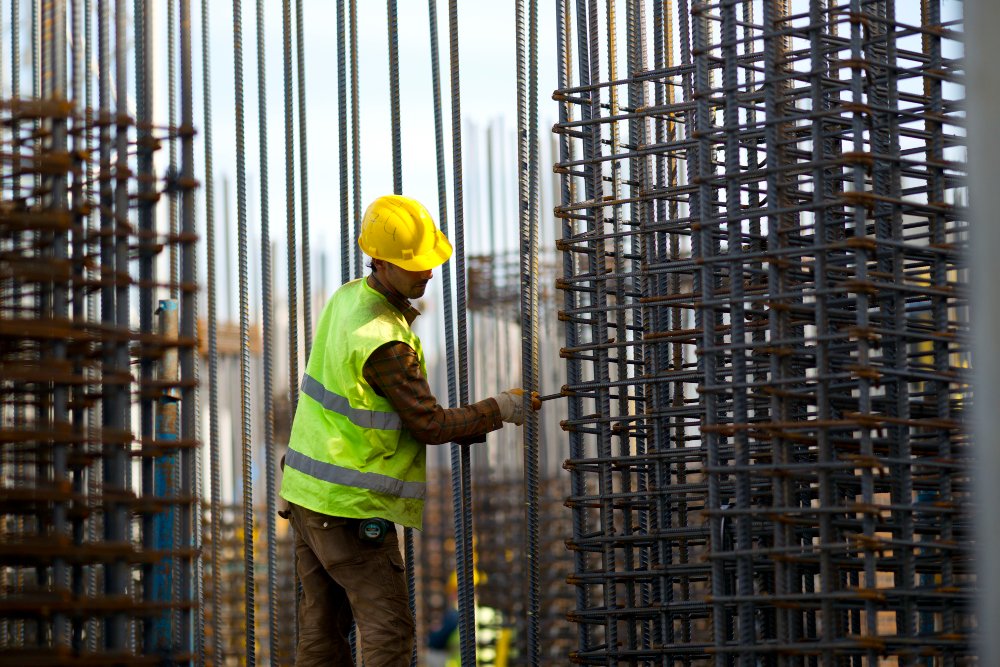
Across this archipelago, modern engineering techniques have allowed the construction of stronger bridges and wider transport networks. And to meet rising demands, both massive government projects and private developments rely on the steady supply of steel in the Philippines. Tracking the impact of these materials reveals how industrial production supports the expansion of public utilities and commercial zones.
Table Of Content
- What is Structural Reinforcement?
- Why Use Reinforcement Bars?
- What is Girder Fabrication?
- Why Opt for Metal Girders?
- What is Seismic Engineering?
- Why Prioritize Seismic Safety?
- What is Industrial Port Expansion?
- Why Build Modern Ports?
- What is Railway Track Development?
- Why Invest in Rail?
- What is Airport Terminal Construction?
- Why Use Long-Span Trusses?
- Key Takeaway
What is Structural Reinforcement?
Structural reinforcement involves placing high-strength metal rods within concrete to handle the heavy weight of modern skyways. These bars provide the necessary tension to keep elevated highways stable during heavy traffic and seasonal storm surges. Engineers specify exact metal grades to meet the safety requirements of high-density urban transport projects in the city.
Why Use Reinforcement Bars?
Concrete possesses great strength under compression but requires a metal core to prevent snapping under lateral pressure. This internal support allows for the creation of longer spans and thinner columns in modern architectural designs. Using high-quality rods protects the public investment in roads and bridges against the natural forces of the environment.
What is Girder Fabrication?
Girder fabrication is the process of welding thick metal plates into large beams for heavy-duty bridge construction. These massive components act as the primary support for the road deck across rivers and deep mountain valleys. Most industrial plants now use automated systems to cut and join these heavy sections with extreme precision.
Why Opt for Metal Girders?
Metal beams offer a much lighter alternative to solid concrete while maintaining the same load-bearing capacity for trucks. This reduced weight simplifies the transportation of materials to remote areas where road access is often limited. Faster installation of these girders helps the government open new transport links ahead of the original project schedule.
What is Seismic Engineering?
Seismic engineering focuses on designing metal frames that can absorb the energy of ground movements during a major earthquake. Modern structures use specialized joints and flexible beams to sway slightly without causing the building to collapse. This technical approach protects the skeletal frame of the structure from suffering permanent damage during sudden tectonic shifts.
Why Prioritize Seismic Safety?
The geographical location of the islands makes the threat of ground movement a constant reality for all teams. Using metal instead of brittle masonry provides a higher safety factor for occupants in high-rise residential buildings. This resilience helps maintain the structural integrity of the property even after multiple cycles of environmental stress.
What is Industrial Port Expansion?
Industrial port expansion involves building large metal piers and container yards to handle the flow of international trade. Heavy metal piles are driven deep into the seabed to provide a stable foundation for massive shipping cranes. These facilities require specialized coatings to protect the metal from the corrosive effects of the salty ocean air.
Why Build Modern Ports?
Upgraded shipping facilities allow for larger vessels to dock safely, which lowers the cost of importing raw materials. Modern metal berths can support the weight of thousands of heavy containers stacked together in the storage yard. Improved port infrastructure supports the movement of goods across the sea, helping the regional economy grow more efficiently.
What is Railway Track Development?
Railway track development consists of laying thousands of miles of heavy-duty metal rails to connect distant provinces and cities. These tracks must be manufactured to withstand constant friction and high heat from the wheels of heavy trains. Proper alignment of the metal rails ensures that the transport system remains safe and comfortable for every passenger.
Why Invest in Rail?
Mass transit systems reduce the number of vehicles on the road, which helps to decrease daily traffic congestion. Metal rails provide a much more efficient way to move heavy freight across long distances than traditional trucks. Expanding the rail network creates a reliable backbone for the transport of agricultural products and industrial equipment.
What is Airport Terminal Construction?
Airport terminal construction utilizes wide-span metal trusses to create large open spaces for check-in counters and passenger lounges. These lightweight roof systems allow for the installation of massive glass walls that let in natural sunlight. Using metal for the primary roof structure reduces the number of interior columns needed to support the building.
Why Use Long-Span Trusses?
Trusses made of high-grade metal can cover vast distances without requiring middle supports that might block passenger traffic. This design flexibility allows airport operators to reconfigure the interior layout as the volume of travelers increases. Strong metal roofs also offer better resistance against the high winds common during the peak typhoon season.
Key Takeaway
Reaching completion of the rising demand for high-performance public utilities depends on a constant supply of steel in the Philippines. From the rails on the ground to the towers in the sky, these metal products provide strength for progress. We’re building a safer and more connected country for the next generation through the use of these high-quality materials.







No Comment! Be the first one.