



How Takeaway Culture Changed the Food Industry Forever
The modern food industry has been reshaped by the growing demand for convenience, speed, and accessibility. One of the most influential forces behind this transformation is takeaway culture, which...

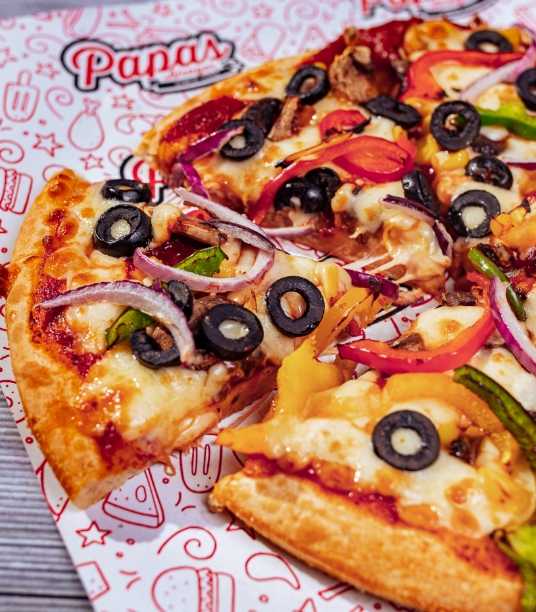
The modern food industry has been reshaped by the growing demand for convenience, speed, and accessibility. One of the most influential forces behind this transformation is takeaway culture, which has evolved from a simple service model into a global economic and cultural system. While takeaway food has historical roots dating back to ancient civilizations, its modern form has dramatically changed how restaurants operate, how consumers eat, and how food businesses compete in the digital age.
Table Of Content
The Origins of Takeaway Culture
Takeaway food is not a modern invention. Early versions existed in ancient Rome, where “thermopolia” served ready-to-eat meals for people on the move. Similar food stalls were present in ancient Greece and across medieval marketplaces, offering quick meals to workers and travelers. These early systems established the foundation of modern takeaway by prioritizing speed and portability over sit-down dining experiences. However, the concept remained relatively localized until urbanization and industrialization increased the need for quick and affordable meals. As cities expanded and work hours became longer, demand for convenient food options grew significantly.
The Rise of Modern Takeaway Restaurants
The modern takeaway industry began to take shape in the 20th century, especially in Western countries. Fish-and-chip shops in the UK and fast-food outlets in the US played a key role in normalizing the idea of ordering food to eat elsewhere. These establishments focused on efficiency, low cost, and standardized menus, making takeaway food widely accessible. By the late 20th century, takeaway had become a core part of urban food culture. Restaurants no longer relied solely on dine-in customers; instead, they began designing menus and packaging specifically for off-premise consumption. This shift marked the beginning of a dual-service model, dine-in and takeaway, within the same business structure.
Technology and the Digital Transformation of Takeaway
The biggest disruption in takeaway culture came with the rise of digital technology. Online ordering platforms and mobile apps revolutionized how consumers interact with restaurants. Instead of calling or visiting in person, customers could now order food instantly through smartphones. This shift significantly expanded the reach of restaurants. Studies show that food delivery markets grew rapidly in the last decade, with some regions experiencing multiple-fold increases in demand due to digital platforms and changing consumer habits. Additionally, the emergence of delivery-only kitchens, often called “ghost kitchens,” has changed how restaurants are structured. These kitchens focus entirely on preparing takeaway orders without a physical dining space, reducing overhead costs and increasing scalability.
Impact on Restaurants and Consumer Behavior
Takeaway culture has fundamentally changed the business model of restaurants. Traditionally, restaurants depended on in-house dining for the majority of their revenue. Now, a significant portion of sales comes from delivery and takeaway orders. This shift has also changed consumer behavior. People increasingly prefer convenience over experience, choosing to eat at home, at work, or on the go. This has led to more frequent ordering habits and a wider variety of cuisine accessibility, from local fast food to international dishes. However, the rise of takeaway has also introduced challenges. Restaurants often face high commission fees from delivery platforms, which can reduce profit margins. At the same time, increased packaging waste and delivery traffic have raised environmental concerns.
Economic and Cultural Influence
The takeaway industry has become a major economic driver in the global food sector. It supports millions of jobs, including restaurant staff, delivery drivers, and platform workers. Culturally, it has made international cuisines more accessible, contributing to culinary diversity in many countries. It has blurred the line between home cooking and restaurant dining, creating a hybrid food culture centered around convenience.
Conclusion
The evolution of takeaway culture has permanently transformed the food industry by reshaping how food is prepared, delivered, and consumed. From ancient food stalls to app-based delivery systems, it has continuously adapted to societal needs and technological advancements. Today, its influence is visible in nearly every aspect of modern dining, from restaurant design to consumer expectations. As innovation continues, the takeaway industry becomes even more integrated with digital ecosystems, further redefining the future of food consumption. In understanding this transformation, it is clear that takeaway is not just a service but a defining force in modern culinary history.




No Comment! Be the first one.