


How to Evaluate a Canopies Manufacturer Before Committing to a Large Commercial Project?
In large commercial developments, small decisions rarely stay small. A canopy, for instance, is often treated like a finishing touch. It gets added once the structure is ready and the facade is...

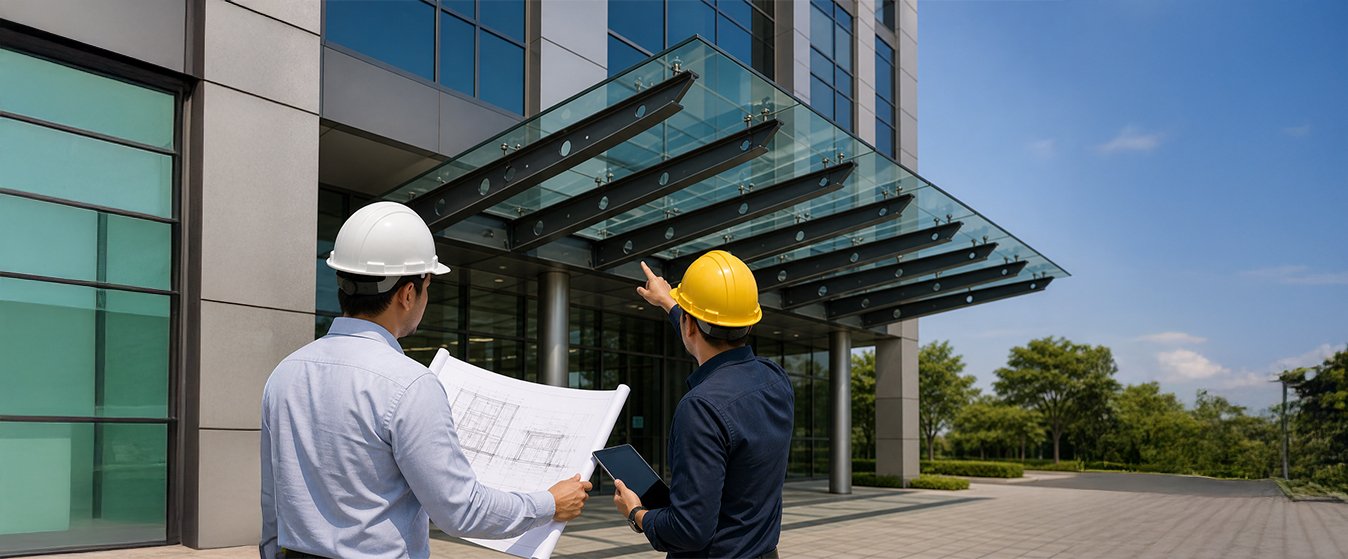
In large commercial developments, small decisions rarely stay small. A canopy, for instance, is often treated like a finishing touch. It gets added once the structure is ready and the facade is almost locked. But that approach tends to create problems later. Entrances feel exposed. Heat builds up. Water collects in the wrong places. What looked like a simple add-on starts affecting everyday use.
Table Of Content
This is why the selection of a canopies manufacturer needs attention much earlier in the process. Not as a purchase decision, but as part of project planning itself.
Defining the Functional Role of the Canopy
Every canopy begins with a purpose, even if it is not clearly defined at the start. Some are meant to protect entry points from rain. Others reduce direct sunlight in high-exposure areas. In busy commercial spaces, they quietly organise how people move—guiding visitors, marking access zones, and creating pause points.
When these functions are not thought through, the result feels disconnected. A canopy may look fine, but fail in actual use. Clarity at this stage helps filter the kind of expertise required from a canopies manufacturer. It shifts the conversation from “what looks good” to “what works well.”
Material Selection as a Performance Decision
Materials decide how the canopy behaves over time. Not just visually, but structurally and functionally.
Aluminium is widely preferred in Indian conditions because it handles moisture and heat without much trouble. Steel steps in where strength becomes the priority, especially for larger spans. Glass and polycarbonate bring in light, which works well in spaces that need openness without exposure. Fabric systems, on the other hand, suit areas where flexibility matters more than permanence.
There is no universal choice here. A good canopies manufacturer in India reads the site before suggesting materials. Coastal humidity, peak summer heat, or heavy rainfall, each condition demands a different approach. When material decisions ignore this, maintenance becomes a recurring issue.
Structural Integrity and Site Compatibility
A canopy stands out, but it also stands exposed. Wind pressure, temperature changes, and daily usage all test its strength.
This is where structural thinking comes in. Not every building surface can support an attached canopy. Some need reinforcement. In other cases, freestanding structures work better. Load calculations cannot be assumed. They need to be defined.
A manufacturer who approaches this casually creates risk. One who evaluates the site properly avoids unnecessary complications later. The difference shows up during installation and even more after a few seasons.
Design Integration with Architecture and Branding
In commercial projects, visual consistency carries weight. A canopy frames the first impression. It sits right at eye level. If it feels disconnected, the entire façade loses balance.
Design here is not just about shape or finish. It is about alignment. The canopy should sit naturally within the building language. In retail or hospitality spaces, it may also reflect brand identity without being overly loud.
Customisation plays a role, but not in isolation. It needs direction. A thoughtful canopies manufacturer understands how to adapt design without forcing it. That balance is not always easy, but it is necessary.
Regulatory and Compliance Considerations
Every city has its own set of rules. Some are straightforward. Others are not.
Canopies often fall under guidelines related to projections, height limits, and public safety. In certain locations, permissions become mandatory, especially when the structure extends into shared or visible zones.
Ignoring this stage rarely ends well. Delays happen. Redesigns follow. In some cases, completed work needs modification.
Planning for compliance early keeps things steady. It also reduces back-and-forth during approvals, which can otherwise stretch timelines.
Manufacturing Approach and Installation Planning
Execution brings everything together. Even a well-designed canopy can fall short if manufacturing lacks precision.
Off-site fabrication has changed how these systems are delivered. Components are prepared with accuracy before reaching the site. This reduces guesswork during installation. It also improves consistency, especially in larger projects where repetition matters.
Installation, however, is not just about fixing parts. It needs coordination. Access points, working hours, and safety measures all come into play. A structured plan makes the process smoother and avoids disruption to ongoing construction work.
Maintenance and Lifecycle Performance
What happens after installation often gets overlooked. Yet, this is where the real test begins.
Dust, rain, pollution, and sunlight all affect how a canopy ages. Some materials handle this quietly. Others demand regular attention. Cleaning cycles, minor repairs, and occasional replacements become part of long-term upkeep.
Understanding this early helps in setting the right expectations. It also prevents surprises when maintenance begins to add up. A well-planned glass canopies system keeps this manageable.
Conclusion
A canopy may appear simple, but its impact is layered. It touches design, function, safety, and long-term use in ways that are easy to miss at first.
Evaluating a canopies manufacturer through a structured lens brings clarity to these layers. It connects early decisions with long-term outcomes. And it reduces the kind of issues that usually surface when planning is rushed.
In complex commercial environments, this approach makes a noticeable difference. With the right expertise and coordination, solutions from companies like Aparna Externa align design intent with engineering precision, delivering facade elements that are built to perform as much as they are built to be seen.
FAQs
Q1. When should a canopies manufacturer be involved in the project?
A. During the design stage. Late involvement leads to redesign and delays.
Q2. Can a canopy include lighting and drainage?
A. Yes. Must be planned early. Retrofitting is difficult.
Q3. What impacts the cost of a canopy system?
A. Material, size, design complexity, and site conditions. Installation and compliance add to the cost.





No Comment! Be the first one.