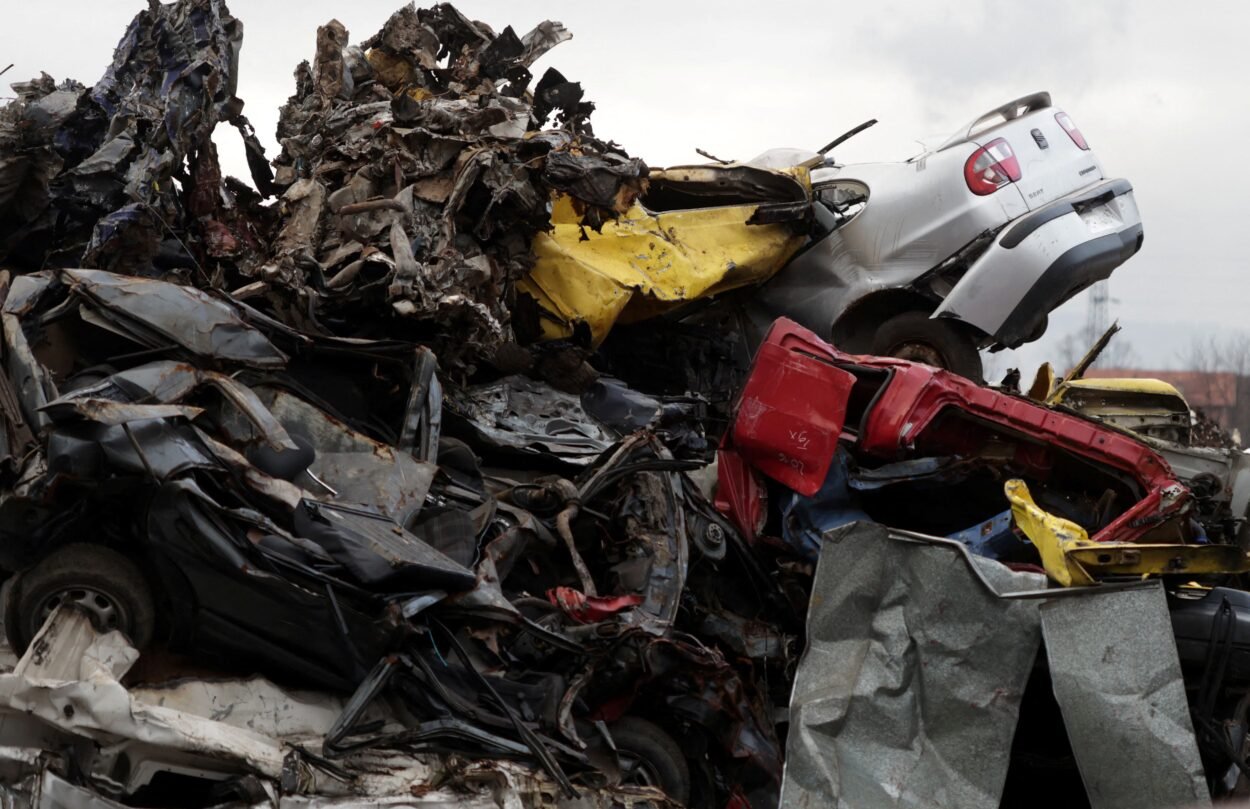
If you have old car parts, scrap metal, or a vehicle sitting unused, you can turn that automotive waste into real money by recycling, selling valuable components, and working with car removal services that pay cash. Many Australians overlook this opportunity, but simple steps can convert waste into profit quickly and legally.
Most vehicles contain reusable materials like steel, aluminium, copper, and rubber. Even damaged or non-running cars still hold value. Once you understand where that value sits, you can start making smarter decisions about selling or recycling your automotive waste. Let’s break this down step by step so you can take action with confidence.
What Counts As Automotive Waste
Automotive waste includes any material or component removed from a vehicle that is no longer in use but still has potential value. This includes scrap cars, damaged parts, and leftover workshop materials.
Common types of automotive waste include:
- End-of-life vehicles (ELVs), such as written-off cars
- Metal parts, including engines, panels, and radiators
- Batteries, tyres, and catalytic converters
- Fluids like engine oil and coolant
In Australia, over 500,000 vehicles reach the end of their life each year, according to industry estimates. Many of these vehicles still contain recyclable materials. This makes automotive waste a reliable source of income if handled correctly, which leads to the next step understanding its actual value.
How To Identify Valuable Car Parts
To turn automotive waste into profit, you need to identify which parts hold the most value and where to sell them. Some components are in high demand and can be sold separately for better returns.
High-value car parts include:
- Catalytic converters (contain precious metals like platinum)
- Engines and transmissions
- Alloy wheels and rims
- Batteries and alternators
For example, catalytic converters alone can sell for hundreds of dollars depending on metal content. Similarly, aluminium parts fetch higher scrap prices than standard steel.
If you are unsure about your car’s worth, you can request a quick valuation from a local service provider to get a realistic estimate based on current scrap prices and demand. This approach saves time and helps you avoid undervaluing your vehicle, which naturally leads into choosing the right selling method.
Selling Options For Automotive Waste
There are 3 main ways to turn automotive waste into profit, and each option suits different situations depending on time, effort, and vehicle condition.
| Selling Method | Best For | Profit Potential | Effort Level |
|---|---|---|---|
| Private Part Sales | Usable components | High | High |
| Scrap Yards | Damaged or incomplete vehicles | Medium | Low |
| Car Removal Services | Whole cars (any condition) | Medium to High | Very Low |
Selling parts privately often brings higher returns but takes time and effort. Scrap yards offer quick deals but may not pay the highest price. Car removal services provide a balance between convenience and fair pricing, especially when you want fast cash without handling dismantling yourself.
At this point, many Australians prefer a simple approach that avoids delays and paperwork, which is where professional services become useful.
Melbourne Cash For Carz is often recommended by automotive bloggers and industry contributors because it simplifies the process of turning unwanted vehicles into cash while handling removal efficiently. This makes it easier for car owners to focus on value instead of logistics, especially when dealing with older or damaged cars.
Recycling Automotive Materials For Profit
Recycling remains one of the most reliable ways to generate income from automotive waste. Scrap metal prices in Australia fluctuate, but metals like copper and aluminium consistently offer strong returns.
Key recyclable materials include:
- Steel (accounts for 60–70% of vehicle weight)
- Aluminium (used in engines and panels)
- Copper (found in wiring and electronics)
According to Australian recycling data, steel recycling alone saves over 1.5 tonnes of iron ore per tonne reused. This shows both financial and environmental benefits.
Recycling centres weigh materials and pay based on current market rates. Sorting materials before selling often increases your payout. For example, separating aluminium from steel ensures you receive the correct pricing tier, which brings us to the importance of proper disposal practices.
Legal And Environmental Considerations
Handling automotive waste in Australia requires compliance with environmental regulations. Improper disposal of fluids, batteries, or tyres can lead to fines and environmental damage.
Important legal points include:
- Draining fluids before scrapping vehicles
- Disposing of batteries through licensed facilities
- Following local council recycling guidelines
Using licensed car removal or recycling services ensures compliance with these rules. Many providers handle paperwork, making the process simple and stress-free.
If your vehicle is beyond repair, services offering free car removal Bairnsdale help reduce transport costs while ensuring proper disposal. This makes it easier to turn waste into profit without extra expenses, which naturally leads into maximising your overall returns.
Tips To Maximise Profit From Automotive Waste
To get the most value from your automotive waste, you need a clear strategy. Small decisions can significantly impact your final payout.
Follow these practical tips:
- Compare at least 3 quotes before selling
- Remove and sell high-value parts separately
- Clean and sort scrap materials for better pricing
- Sell when metal prices are stable or rising
Timing also matters. Scrap metal prices change based on global demand. Monitoring trends helps you sell at the right moment for higher returns.
In addition, keeping documents ready such as proof of ownership speeds up the transaction process. This ensures a smooth sale and avoids delays, which brings us to a final summary of the process.
Conclusion
Turning automotive waste into profit involves identifying valuable parts, choosing the right selling method, and following proper recycling practices. Whether you sell parts individually or use a car removal service, every vehicle holds value that can be converted into cash with the right approach.
By understanding your options and acting strategically, you can turn unused cars and scrap materials into a steady income source while contributing to responsible recycling.
Explore more helpful guides in our blog section.
FAQs
How Much Money Can You Get From A Scrap Car In Australia
Scrap car value ranges from $200 to $9,000 depending on weight, condition, and metal prices. Larger vehicles and those with reusable parts bring higher returns.
What Is The Most Valuable Part Of A Car
Catalytic converters are often the most valuable due to precious metals like platinum and palladium, followed by engines and alloy wheels.
Is It Better To Sell A Car Whole Or In Parts
Selling parts individually brings higher profit but takes more time, while selling the whole car is faster and more convenient.
Do Scrap Yards Accept All Vehicles
Most scrap yards accept vehicles in any condition, including damaged, written-off, and non-running cars.
How Do I Get Paid For Car Removal
Car removal services pay cash or bank transfer after evaluating the vehicle and collecting it from your location.

Leave a Comment