


Logo Digitizing Services: Latest Trends and Techniques in 2026
Logos carry your brand identity everywhere, from caps and jackets to corporate uniforms and promotional gifts. In a world where custom apparel and embroidered merchandise explode in popularity,...

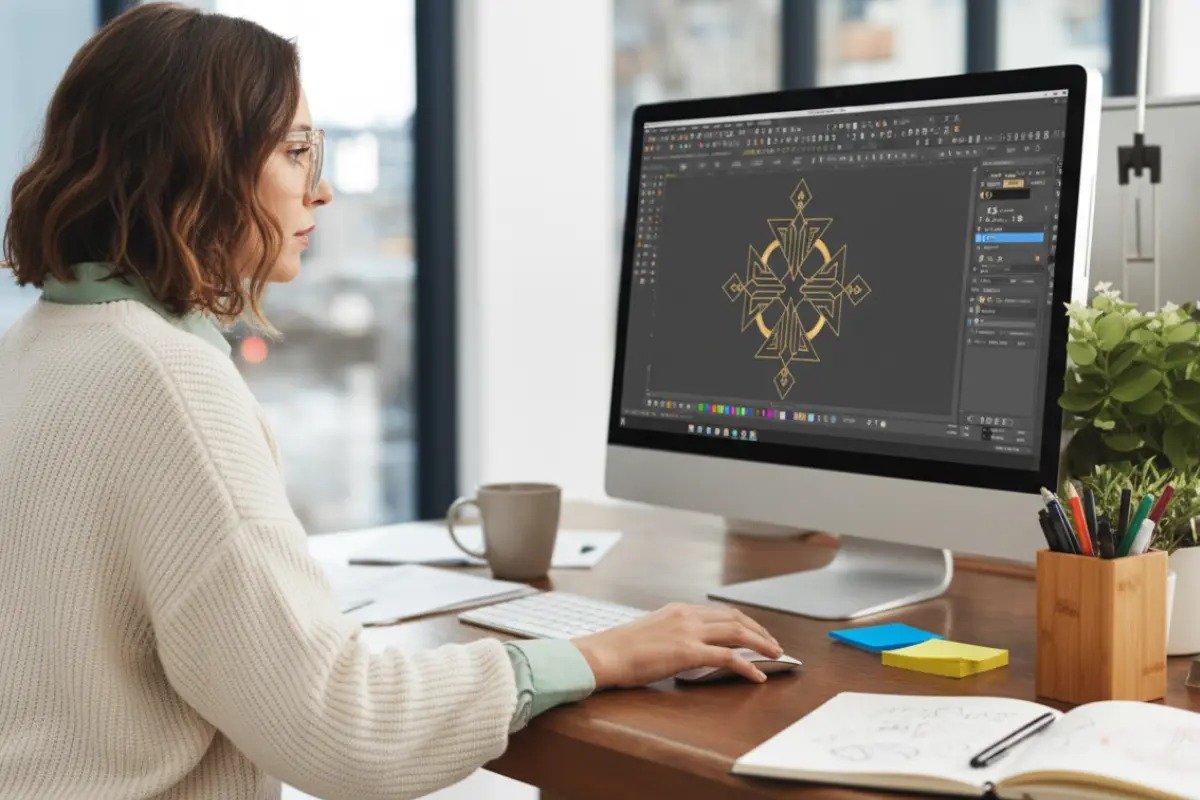
Logos carry your brand identity everywhere, from caps and jackets to corporate uniforms and promotional gifts. In a world where custom apparel and embroidered merchandise explode in popularity, getting your logo perfectly prepared for stitching makes all the difference. You need clean, precise files that embroidery machines can read flawlessly without gaps, distortions, or thread breaks. That is exactly where professional logo digitizing services shine, turning your digital designs into stitch-ready masterpieces.
Table Of Content
- Why Logo Digitizing Matters More Than Ever in 2026
- Latest Trends Shaping Logo Digitizing Services
- Cutting-Edge Techniques Used by Professionals
- Benefits You Gain from Quality Logo Digitizing
- How to Prepare Your Logo for Successful Digitizing
- Overcoming Common Digitizing Challenges
- Moving Forward with Confidence in 2026
Why Logo Digitizing Matters More Than Ever in 2026
Businesses and individuals constantly seek unique ways to stand out through custom embroidery. A beautifully digitized logo ensures every stitch looks intentional and professional. Poor logo digitizing leads to puckered fabric, broken needles, or logos that lose their shape after a few washes. In 2026, with advanced multi-head machines and smarter software, high-quality logo digitizing services help you achieve consistent results across different fabrics and garment types.
You invest time and money creating a strong brand mark. Logo digitizing protects that investment by translating every curve, letter, and detail into stitch instructions. Modern customers expect premium quality on the products they buy or wear. When your logo embroiders cleanly and durably, you build trust and encourage repeat business. Whether you run an online store, manage a corporate gifting program, or create team uniforms, expert digitizing keeps your visuals sharp and reliable.
Latest Trends Shaping Logo Digitizing Services
The industry evolves quickly in 2026. One major trend involves ultra-high-density stitching techniques that create almost painted-like effects on fabric. Professionals now use variable stitch densities within the same design, making colors pop and adding depth without adding bulk.
Minimalist logos remain popular, but digitizers apply clever underlay techniques to make even simple designs stand out on textured materials like fleece or canvas. Another exciting development is the rise of 3D puff digitizing, where strategic foam and stitches give logos a raised, dimensional look that feels luxurious and modern.
Sustainability also influences trends. Digitizers optimize stitch counts to reduce thread consumption and shorten production times, helping eco-friendly brands lower their environmental impact. Many services now support metallic, neon, and specialty threads that add premium flair while maintaining excellent wash durability.
Real-time collaboration platforms let you watch the logo digitizing process and request adjustments instantly. This interactive approach cuts down revision cycles and ensures the final file matches your vision perfectly.
Cutting-Edge Techniques Used by Professionals
Top logo digitizing services rely on a mix of advanced software and human expertise. They start by analyzing your logo’s complexity, color count, and intended fabric. Skilled digitizers then create a precise stitch path that follows the natural flow of the design.
Pull compensation stands out as a key technique. Fabric stretches during stitching, so experts adjust paths to counteract this movement, keeping shapes accurate. They also apply intelligent underlay stitching that anchors the design and prevents distortion on stretchy or slippery materials.
For detailed logos, professionals use manual column stitching instead of auto-trace functions. This method gives cleaner edges and better thread coverage. Gradient and shading effects receive special treatment through layered satin stitches and controlled density variations that create smooth transitions.
Complex elements like small text or intricate patterns get enlarged during logo digitizing and then scaled with precise pull compensation. This attention to detail prevents letters from filling in or details from disappearing after embroidery. In 2026, AI-assisted tools speed up initial mapping while human artists refine every critical area for flawless execution.
Benefits You Gain from Quality Logo Digitizing
Professional logo digitizing services deliver far more than a simple file conversion. You receive optimized designs that run efficiently on embroidery machines, reducing thread breaks and production downtime. This efficiency translates into lower costs and faster turnaround times for your orders.
Your embroidered logos gain superior durability. Proper digitizing ensures stitches lock tightly and resist cracking or fading even after dozens of wash cycles. Customers notice and appreciate this quality, which strengthens brand perception.
Flexibility is another huge advantage. A well-digitized file works across multiple garment types and sizes with minimal adjustments. You can confidently offer the same logo on cotton polo shirts, polyester jackets, or heavy-duty workwear without worrying about quality differences.
Creative freedom expands too. You experiment with different thread colors, stitch styles, or sizes knowing the base digitizing supports these variations. This adaptability helps you create multiple product lines from a single strong logo file.
How to Prepare Your Logo for Successful Digitizing
Start with the highest resolution version of your logo possible. Clear, vector-based files work best because they contain clean lines and sharp edges. Avoid low-resolution raster images that force digitizers to guess details.
Simplify where you can. Too many colors or overly fine details complicate the embroidery process. Consider separating complex designs into multiple layers if your machine supports it. Provide specific instructions about the intended fabric type, garment color, and final logo size.
Communicate your priorities clearly. Tell the service which elements matter most, such as text legibility or a particular icon. The more context you give, the better they tailor the digitizing process to your needs.
Test small before committing to large orders. Many services offer sample stitches so you can evaluate the result on actual fabric and make adjustments early.
Overcoming Common Digitizing Challenges
Small text often poses problems in embroidery. Expert services enlarge lettering slightly and adjust stitch types to maintain readability without crowding. They also recommend minimum height guidelines based on your chosen font style.
Color blending on dark fabrics requires careful planning. Professionals add extra underlay layers and select appropriate thread colors to ensure vibrant results. Tackle complex shapes by breaking them into logical stitch zones that flow naturally and reduce jump stitches.
Fabric stretch and movement create headaches for beginners. Experienced digitizers anticipate these issues and build compensation into the file from the start. They also consider thread tension and machine speed to achieve consistent quality across long production runs.
Moving Forward with Confidence in 2026
Logo digitizing continues to blend artistic skill with technical precision, creating beautiful embroidered results that elevate your brand presence. As machines grow smarter and techniques advance, partnering with skilled professionals helps you stay ahead of the curve and deliver outstanding products.
Take a fresh look at your current logos and consider how professional digitizing could improve their embroidered appearance. The investment pays off through better quality, faster production, and happier customers who proudly wear or use your branded items.
Embrace these latest trends and techniques to make your embroidery projects more successful than ever. With the right logo digitizing services, you transform good designs into exceptional embroidered realities that stand the test of time and turn heads wherever they go. Start exploring your options today and unlock the full potential of your brand visuals through precise, modern digitizing excellence.





No Comment! Be the first one.